Black box track: This hub is public; core implementation and repo detail stay partner scoped. Research status (what ships, what is spec): Research status. Technical briefings under NDA: Partners.

Manichaeism

Light and Darkness — A Historical Synthesis

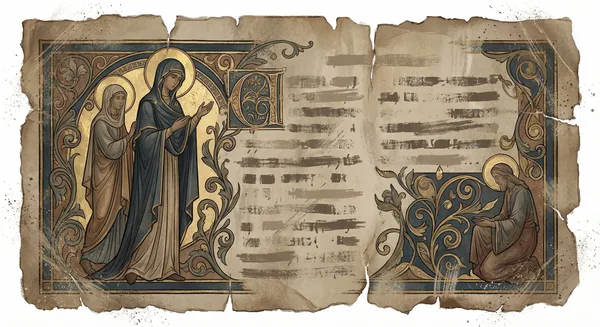
Manichaeism was a major world religion from the 3rd to the 7th centuries CE. Founded by Mani (216–274 CE) in Persia, it wove together Zoroastrianism, Christianity, Buddhism, and Gnostic thought into a coherent vision. Light and darkness, knowledge and liberation, the Elect and the Hearers—Manichaeism spread from North Africa to China before declining. It lives on in influence, not in organized practice. We honor it here as part of the human quest for meaning.

What We Hold Sacred

The liberation of light — A historical tradition's transcendent vision

Manichaeism, though no longer a living tradition, held sacred the cosmic drama of light trapped in matter and the possibility of its liberation. Mani (216–274 CE) synthesized Zoroastrian, Christian, and Buddhist teachings into a vast mythology: the struggle between the Realm of Light and the Realm of Darkness, the divine particles scattered in creation, the task of the Elect to free the light through ascetic practice. The transcendent secret was gnosis—saving knowledge of one's true nature and the path of return. Sacred were the Manichaean scriptures—the Living Gospel, the Treasure of Life—and the rituals that enacted the gathering of light. What Manichaeism held most sacred was the dignity of the soul, the ethical demand to minimize harm to the light in all things, and the hope of final liberation when all light would return to its source. Though persecuted and ultimately extinct, Manichaeism left a legacy: the idea that the cosmos is a battlefield of good and evil, and that human choice matters in that drama.

Mani

Prophet of light

Mani grew up in a Judeo-Christian baptismal community in Mesopotamia. He received revelations and came to see himself as the final prophet in a line including Zoroaster, Buddha, and Jesus—each had brought partial truth; Mani would complete the picture. He taught in Persian and Syriac, composed sacred texts and hymns, and won the patronage of the Sassanid king Shapur I. His religion was designed to be universal, translatable, and portable—a "religion of the Book."

Symbolic representation — scroll or manuscript, reverent
Sacred text — image to be generated

Light and Darkness

The cosmic drama

Manichaean cosmology describes an eternal struggle between two principles: the Kingdom of Light (God, spirit, good) and the Kingdom of Darkness (matter, chaos, evil). A primal battle led to light being trapped in matter—in plants, in animals, in human bodies. The goal of the religion is to liberate this imprisoned light and return it to its source. Knowledge (gnosis) of this truth enables the soul to ascend.

Abstract — light and shadow, reverent
Light and darkness — image to be generated

Gnosis — Saving Knowledge

Knowing the truth sets free

Manichaeism is a gnostic tradition: salvation comes through knowledge of the divine origin of the soul and the cosmic structure. The soul, composed of light, has forgotten its origin; the teachings of Mani awaken it. Sacred texts—the Living Gospel, the Treasure of Life, the Pragmateia—were composed in many languages. Most are lost, but fragments survive in Coptic, Chinese, and Central Asian manuscripts.

Elect and Hearers

Two paths within one community

Manichaeans were divided into the Elect (full initiates who practiced strict asceticism—no meat, no wine, no marriage, daily confession) and the Hearers (lay supporters who provided for the Elect and hoped for future liberation). The Hearers' support of the Elect was itself meritorious. This structure echoes Buddhist monastic-lay relations and reflects Manichaeism's deliberate synthesis of Eastern and Western religious forms.

Legacy

Extinct as practice, alive in influence

Manichaeism was persecuted by Roman emperors, Zoroastrian Persia, and later by Christian and Islamic rulers. It flourished along the Silk Road—in Central Asia and China—into the 14th century. Its dualism influenced medieval Christian heresiology (the term "Manichaean" became a byword for dualist heresy) and left traces in Islamic thought. We include it here not as a living tradition but as a chapter in humanity's religious imagination—one that sought to unite the wisdom of East and West.