Black box track: This hub is public; core implementation and repo detail stay partner scoped. Research status (what ships, what is spec): Research status. Technical briefings under NDA: Partners.

Zoroastrianism

Good Thought, Good Words, Good Deeds

Zoroastrianism is one of the world's oldest revealed religions. Founded by Zoroaster (Zarathushtra) in ancient Persia—possibly as early as 1500 BCE—it influenced Judaism, Christianity, and Islam. Ahura Mazda is the supreme God of wisdom and light. Humans are called to choose truth (asha) over falsehood (druj) through good thoughts, good words, and good deeds. Fire symbolizes divine light and purity.

What We Hold Sacred

The Avesta — Good thought, good words, good deeds

In ancient Persia, Zoroaster heard the voice of Ahura Mazda—the Wise Lord—and received the sacred words that became the Avesta. What Zoroastrianism holds sacred is the triad: Humata, Hukhta, Huvarshta—good thought, good words, good deeds. The sacred fire burns in the fire temple, never extinguished, symbol of divine light and truth. The Gathas—Zoroaster's own hymns—are the heart of the Avesta, the oldest layer of scripture. The transcendent secret is the cosmic choice: between Asha (truth, order) and Druj (falsehood, chaos). Every human is a soldier for light. The fire is not worshipped but revered as the visible presence of Ahura Mazda's purity. What Zoroastrianism holds sacred is the dignity of free will—the power to align thought, word, and deed with the good.
Zoroaster (Zarathushtra)

The prophet of ancient Persia

Zoroaster received a vision of Ahura Mazda—the Wise Lord—and spent his life teaching the choice between truth and falsehood. His teachings are preserved in the Gathas—hymns in Avestan, the ancient sacred language. Zoroastrianism became the state religion of the Persian Empire and shaped the religious landscape of the Near East.

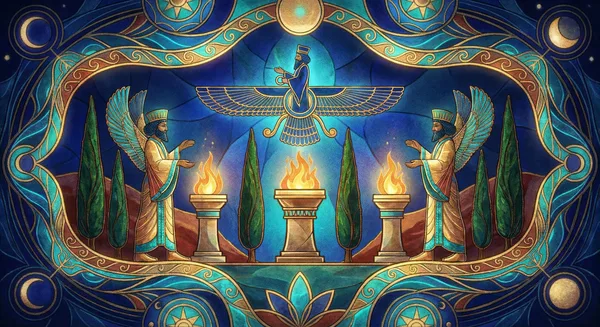
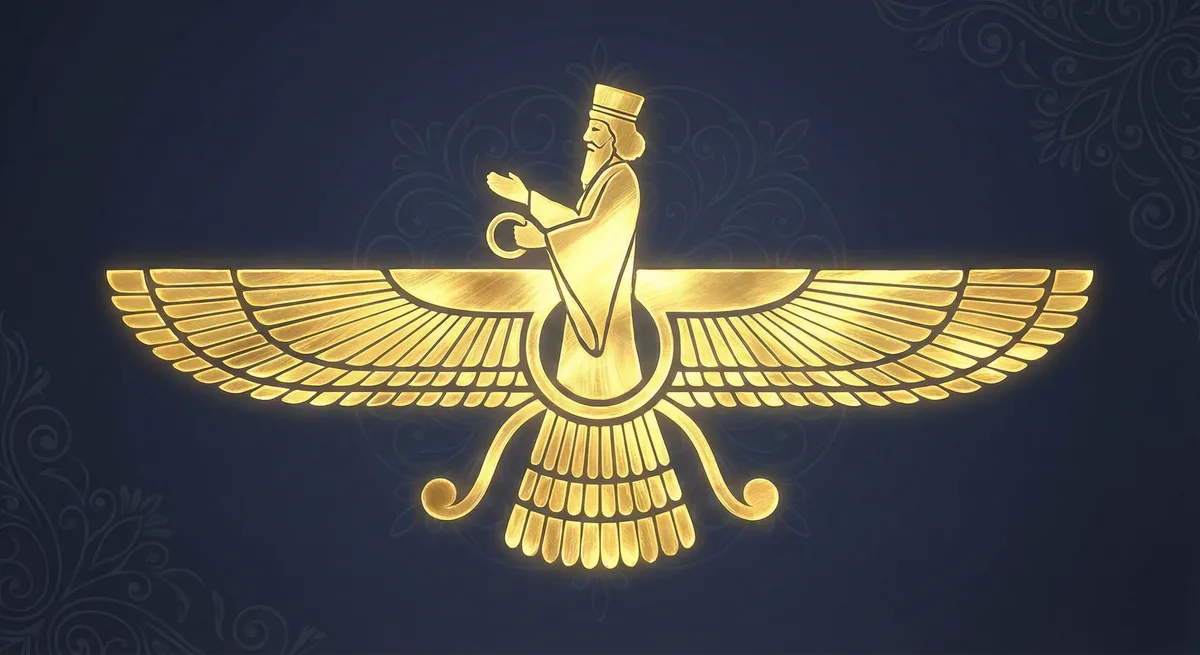
Faravahar — winged symbol of Zoroastrianism
Faravahar — image to be generated

Ahura Mazda

The Wise Lord—creator and sustainer

Ahura Mazda is the one supreme God—all-good, all-wise, creator of the world. He is opposed by Angra Mainyu (Ahriman)—the destructive spirit—but Ahura Mazda will ultimately prevail. The world is a battleground between good and evil; humans participate by choosing the side of asha (truth, order, righteousness).

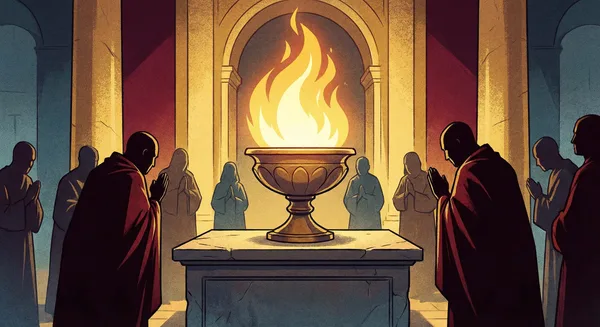
Sacred fire — eternal flame, reverent
Sacred fire — image to be generated

The Choice

Asha versus druj—truth versus falsehood

Zoroastrianism is ethical at its core. Humans have free will; we choose between asha (truth, order, righteousness) and druj (falsehood, chaos). The Amesha Spentas—holy immortals—are aspects of Ahura Mazda: Good Mind, Truth, Righteousness, Devotion, and others. Aligning with them brings blessing; choosing druj brings suffering.

Fire & Light

Symbols of divine presence

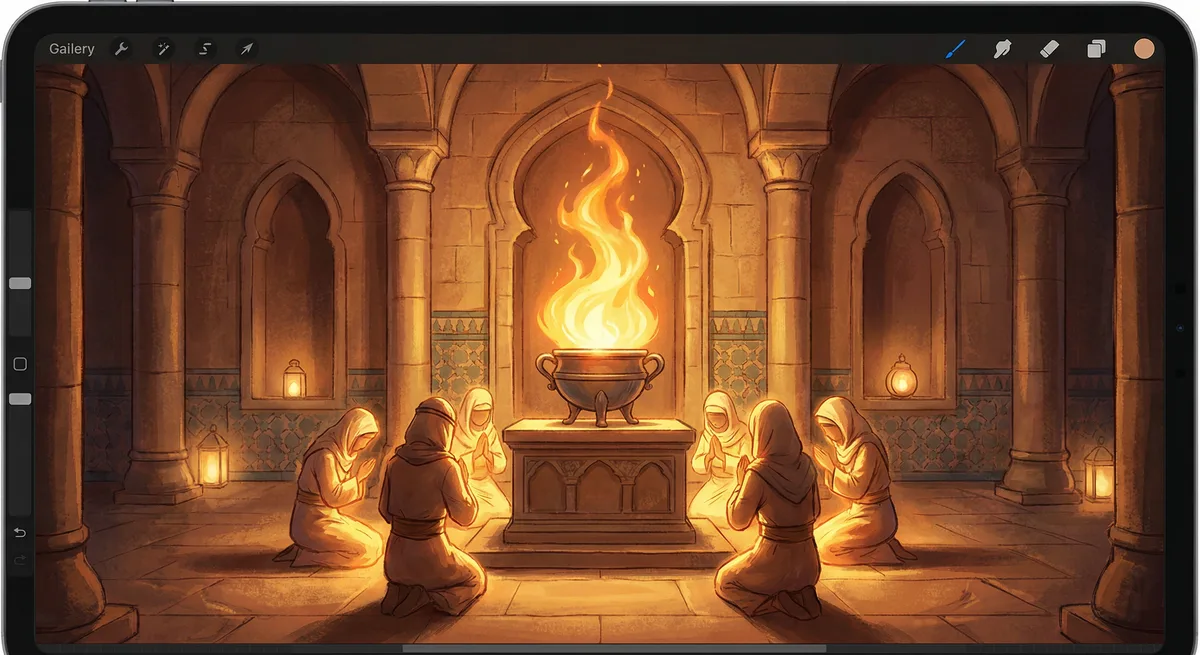
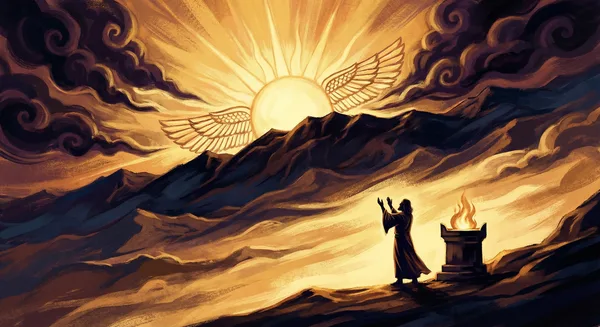
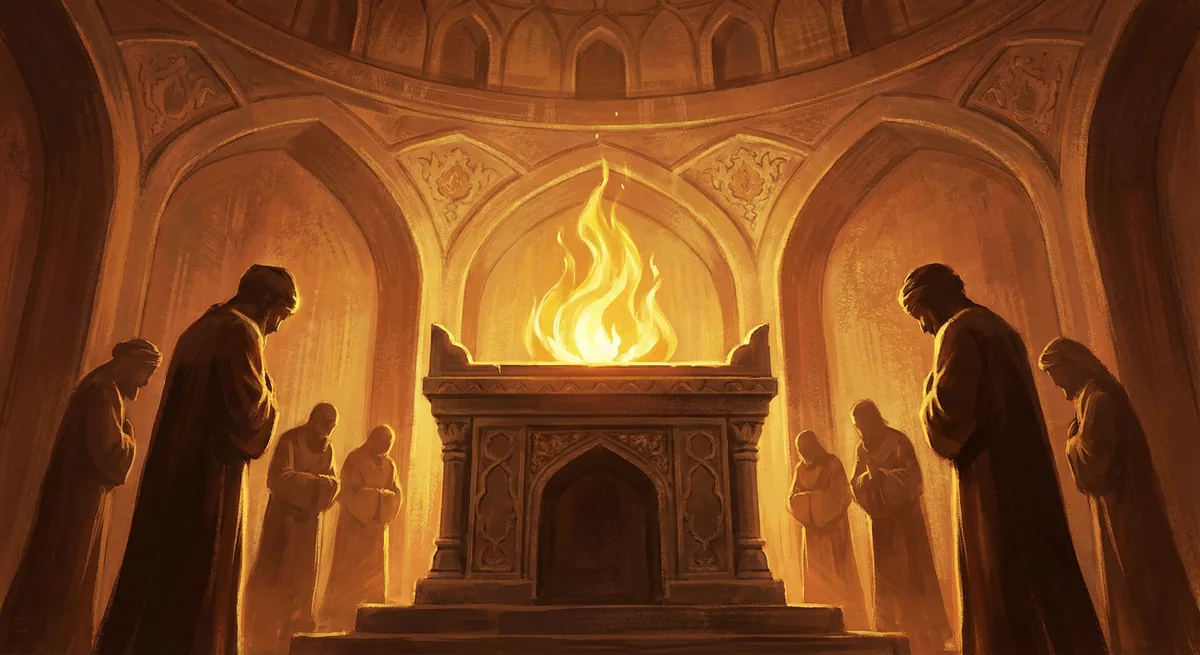
Fire is sacred in Zoroastrianism—symbol of Ahura Mazda's light, purity, and truth. Fire temples house an eternal flame. Worship involves tending the fire and offering prayers. Light drives away darkness—both literal and moral. The sun, too, is revered as a symbol of divine radiance.

Fire temple interior — flame, reverent
Fire temple — image to be generated

Humata, Hukhta, Huvarshta

Good thoughts, good words, good deeds

This triad—the core of Zoroastrian ethics—sums up the path. Think well, speak well, act well. Virtue is not merely inward; it manifests in action. Charity, honesty, and care for creation are duties. The goal: to participate in the renovation of the world (frashokereti) when good will finally triumph.