Black box track: This hub is public; core implementation and repo detail stay partner scoped. Research status (what ships, what is spec): Research status. Technical briefings under NDA: Partners.

Christianity

The Way of Christ

Christianity centers on Jesus of Nazareth—Christ, the anointed one. His life, death, and resurrection are the heart of the faith. Love, grace, redemption, and the hope of the Kingdom of God shape a tradition that spans two millennia and every continent. Orthodox, Catholic, Protestant—many branches, one root.

What We Hold Sacred

The Bible — The living word made flesh and written

In the beginning was the Word. Christians hold sacred a library of books—Hebrew Scriptures and New Testament—bound as one. The Gospels tell of Jesus: God made flesh, love incarnate. The Psalms sing lament and praise. The prophets cry for justice. This is not mere text but living word—read in worship, studied in community, heard as address. "The Word became flesh and dwelt among us." Scripture and incarnation meet: the same God who spoke through prophets became human, suffered, and rose. The Bible is the transcendent secret of Christianity—the story that saves, the love that redeems, the hope that death does not have the final say. It is read not as relic but as present voice: "Today this Scripture is fulfilled in your hearing."
Christ

Jesus—fully God, fully human

Jesus of Nazareth (c. 4 BCE – 30 CE) is confessed as the Son of God, the Word made flesh. Incarnation—God entering human history—is the scandal and the hope of Christianity. Jesus taught, healed, ate with outcasts, and gave his life. His resurrection is the promise that death does not have the final word.

Christians follow him—not only his teachings but his person. He is the Way, the Truth, and the Life.

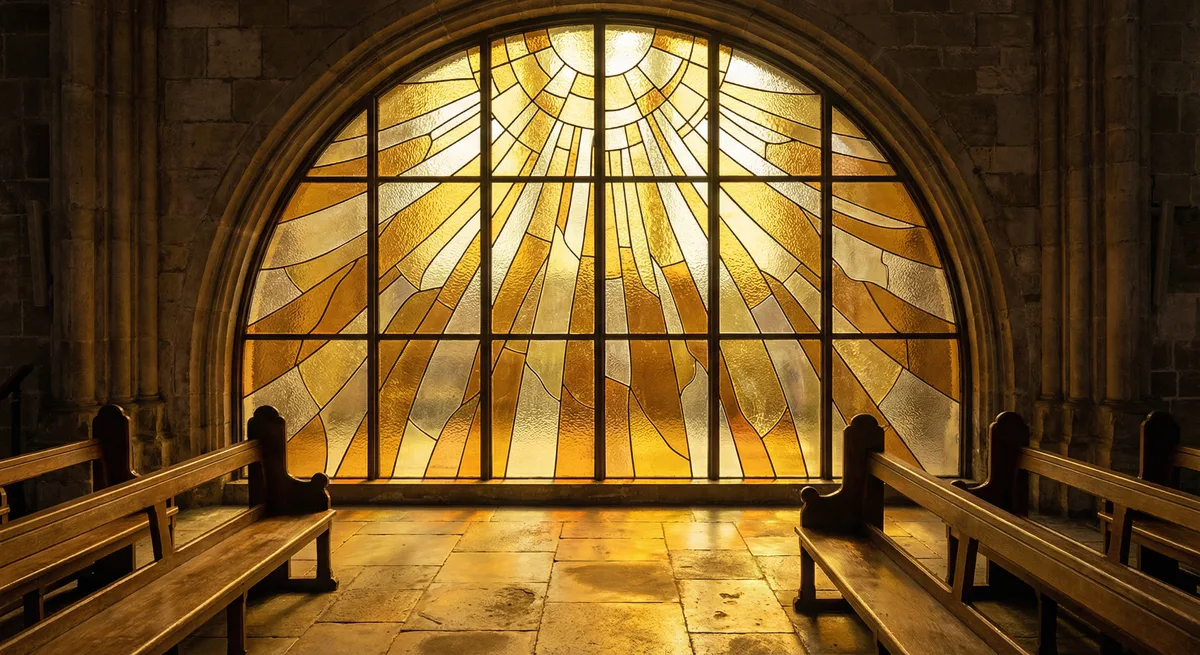
Stained glass light — golden, warm, suggestive of divine presence, no human figures
Light of Christ — image to be generated

Love & Grace

Agape—unmerited love

"God is love" (1 John 4:8). Christian ethics flow from this. Love your neighbor as yourself. Love your enemies. The greatest commandment is love. Grace—unearned mercy from God—is the ground of salvation. Christians believe they are saved not by works alone but by the grace of God, received through faith.

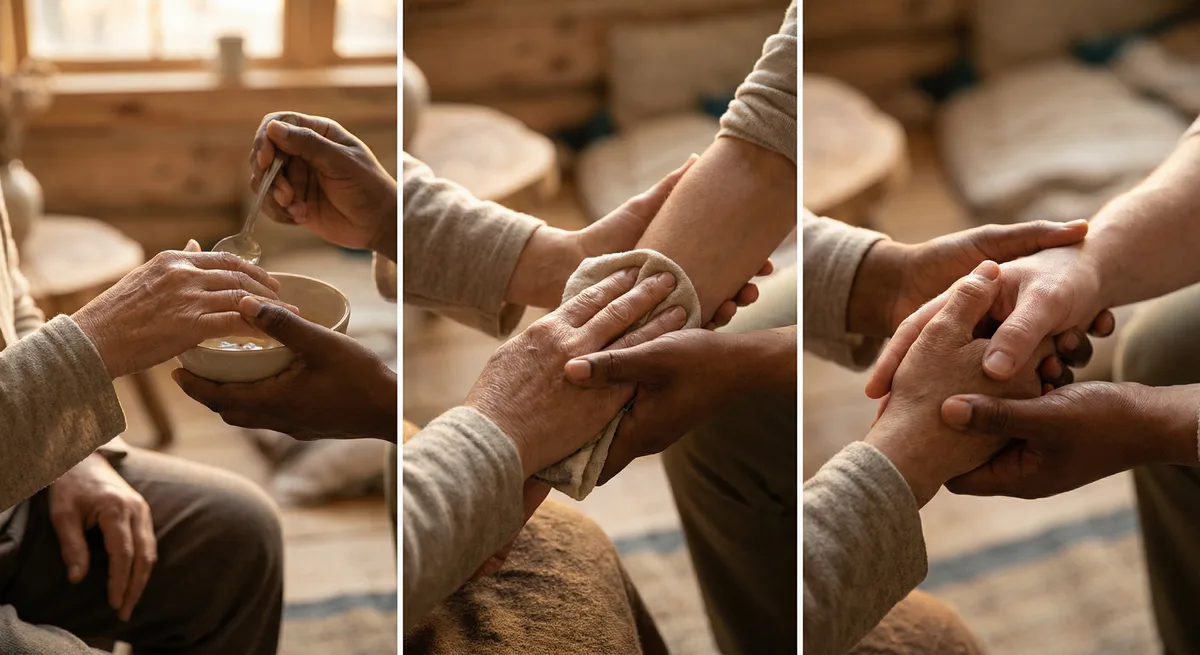
Hands in service — feeding, healing, caring — diverse, warm light
Love in action — image to be generated

Scripture

The Old and New Testaments

The Bible—66 books (Protestant) or more (Catholic, Orthodox)—includes the Hebrew Scriptures (Old Testament) and the New Testament: Gospels, Acts, Epistles, Revelation. The Gospels of Matthew, Mark, Luke, and John tell the story of Jesus. Scripture is read in worship, studied in community, and lived as living word.

Open Bible with soft light — reverent, golden
Scripture — image to be generated

Church & Sacraments

The body of Christ

The Church is the community of believers—the body of Christ. Baptism marks entry into that body; the Eucharist (Communion) remembers the Last Supper and shares in Christ's presence. Prayer, worship, and service bind the community. Different traditions recognize different sacraments, but all affirm that faith is lived in community.

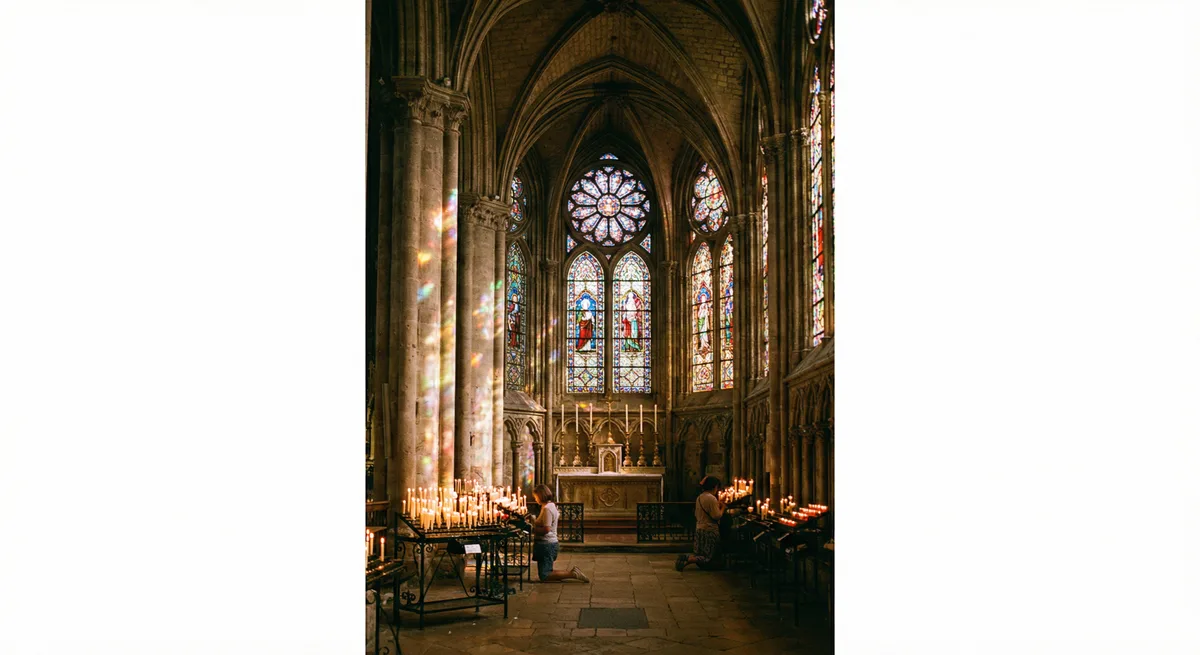
Church interior — stained glass, candlelight, reverent architecture
Sacred space — image to be generated

The Kingdom of God

Already and not yet

Jesus proclaimed the Kingdom of God—a reign of justice, peace, and flourishing. It is already present in his person and in acts of love; it is not yet fully realized. Christians live in this tension: hope for the world to come, and work for justice in this one.