Black box track: This hub is public; core implementation and repo detail stay partner scoped. Research status (what ships, what is spec): Research status. Technical briefings under NDA: Partners.

Gnostic Traditions

Knowledge That Saves — Historical Movements of Light

"Gnostic" describes a family of religious movements that flourished in the Mediterranean and Near East from the 2nd to 4th centuries CE. Their common thread: gnosis—saving knowledge that awakens the soul to its divine origin and enables liberation. Valentinians, Sethians, and others produced profound mythologies, rituals, and texts. Most gnostic groups faded or were suppressed, but the discovery of the Nag Hammadi library in 1945 restored their voice. We honor them here as part of humanity's search for truth beyond the visible world.

What We Hold Sacred

Gnosis — Saving knowledge of the divine spark

Gnostic traditions, though diverse and largely historical, held sacred gnosis—not rational knowledge but direct, salvific insight into the nature of reality and the self. The transcendent secret was the divine spark: a fragment of the supreme God trapped in the material world, asleep in the body, longing to return. The Gospel of Thomas, the Apocryphon of John, the many texts of the Nag Hammadi library—these reveal a cosmology in which the true God is beyond the creator of this world, and salvation comes through awakening to one's origin. What Gnostic traditions held most sacred was the possibility of ascent—through ritual, meditation, or revelation—from the prison of matter to the realm of light. "The kingdom of God is within you." The spark remembers; gnosis is that remembering. Though these movements were marginalized and their texts hidden for centuries, they speak to a perennial human intuition: that we are more than this world, and that the path home is known only to those who seek it.
Gnosis — Saving Knowledge

Not belief, but knowing

For gnostic traditions, salvation comes through gnosis—direct, experiential knowledge of divine reality. This is not merely intellectual understanding but awakening: the soul remembers its true home, recognizes the divine spark within, and knows the path of return. Belief and ritual support gnosis but do not replace it. "He who has known himself has known the All," says the Gospel of Thomas—a sentiment echoed across gnostic texts.

Light emerging from darkness — symbolic, reverent
Awakening — image to be generated

The Divine Spark

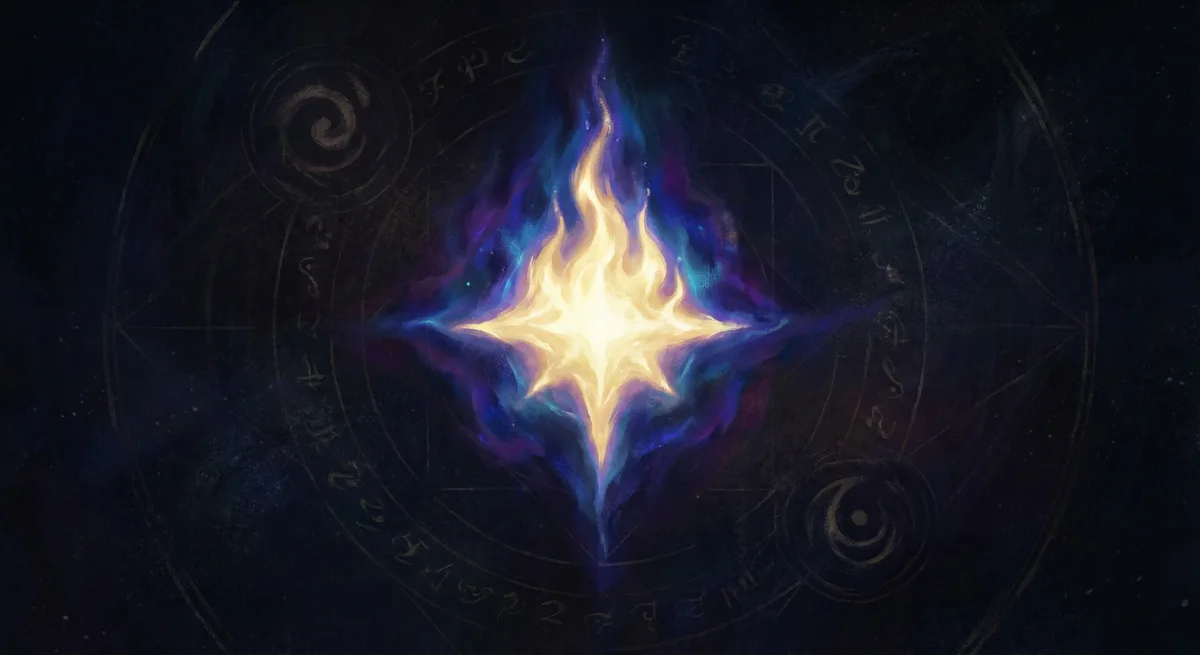
Light trapped in matter

Gnostic cosmologies often describe a fall: divine light became scattered in the material world, imprisoned in bodies. The soul carries a spark of that light—a seed of the transcendent. The world we see is not the highest reality; beyond or behind it is the true God, the Pleroma (fullness), the Source. Liberation means waking from ignorance, reclaiming one's divine nature, and ascending past the cosmic powers that hold the soul captive.

Single flame or star in darkness — reverent
The spark — image to be generated

Many Paths

Valentinians, Sethians, and more

Gnostic movements were diverse. Valentinian gnosticism—associated with Valentinus (2nd century)—built elaborate mythologies of emanations (aeons), a fallen Sophia (Wisdom), and a redeemer who awakens the elect. Sethian texts trace the spiritual lineage to Seth, son of Adam. Some were closely tied to Christianity; others drew on Jewish, Platonic, or Egyptian sources. What unites them is the conviction that the soul can know the divine directly and that such knowledge transforms and liberates.

Sacred Texts

The Nag Hammadi library and beyond

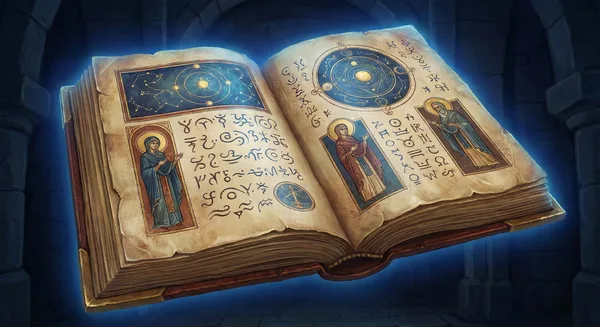
Most gnostic texts were destroyed by opponents. In 1945, a cache of Coptic codices was found near Nag Hammadi, Egypt—52 texts including the Gospel of Thomas, the Gospel of Mary, the Apocryphon of John, and the Thunder, Perfect Mind. These writings—many unknown for over a millennium—reveal a rich spiritual world: dialogues with the risen Christ, hymns to Wisdom, creation myths that reframe Genesis, and instructions for ascent. They continue to inspire seekers and scholars alike.

Legacy

Extinct as organized tradition, alive in influence

Gnostic groups were condemned by emerging orthodox Christianity and gradually disappeared as organized religions. Yet their ideas—the divine within, the insufficiency of mere belief, the critique of worldly power—echo through Western mysticism, psychology (Jung found gnostic themes deeply resonant), and contemporary spirituality. We include them here as historical traditions whose quest for knowledge and liberation remains part of the human story.