Black box track: This hub is public; core implementation and repo detail stay partner scoped. Research status (what ships, what is spec): Research status. Technical briefings under NDA: Partners.

Jainism

The Path of Non-Harm

Jainism is one of the oldest religions of India. It teaches that every soul (jiva) is bound by karma and can attain liberation (moksha) through right faith, right knowledge, and right conduct. The supreme virtue is ahimsa—non-violence—extended to all living beings. Jains practice rigorous austerity, vegetarianism, and compassion. The Tirthankaras ("ford-makers") showed the way across the stream of rebirth.

What We Hold Sacred

Ahimsa — Non-harm as the highest law

Jains hold sacred ahimsa—non-violence toward every being. Not only humans but animals, insects, and the smallest life. The Agamas—the teachings of the Tirthankaras, the ford-makers—and the lives of the 24 Jinas who showed the path to liberation. The transcendent secret of Jainism is that every soul is eternal, capable of infinite knowledge and bliss, but bound by karma until it chooses the path of non-harm. Monks and nuns sweep the ground before walking; they filter water; they speak with care—because harm, even unintentional, obscures the soul. Sacred are the five vows: non-violence, truth, non-stealing, chastity, non-possession. What Jains hold most sacred is the possibility of moksha—liberation from the cycle of rebirth—through the purification of the soul. The cosmos is beginningless; the path is ancient. Ahimsa is not merely ethics but the very fabric of reality—the recognition that all life is interconnected, all souls worthy of reverence.
The Jain Path

Right faith, right knowledge, right conduct

Jains believe the universe is eternal—no creator god. Souls are infinite; each can attain perfection. Karma—fine particles that adhere to the soul—binds one to rebirth. Liberation requires shedding karma through discipline, non-violence, and meditation. The path is demanding; monks and nuns renounce worldly life to pursue it fully.

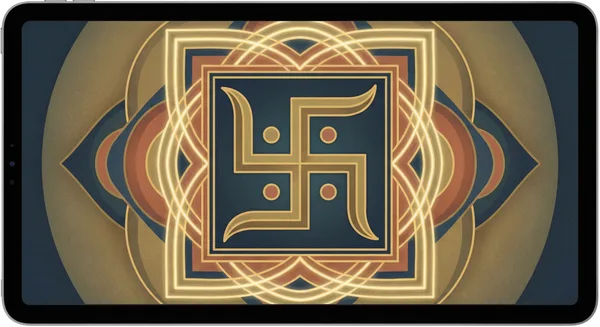
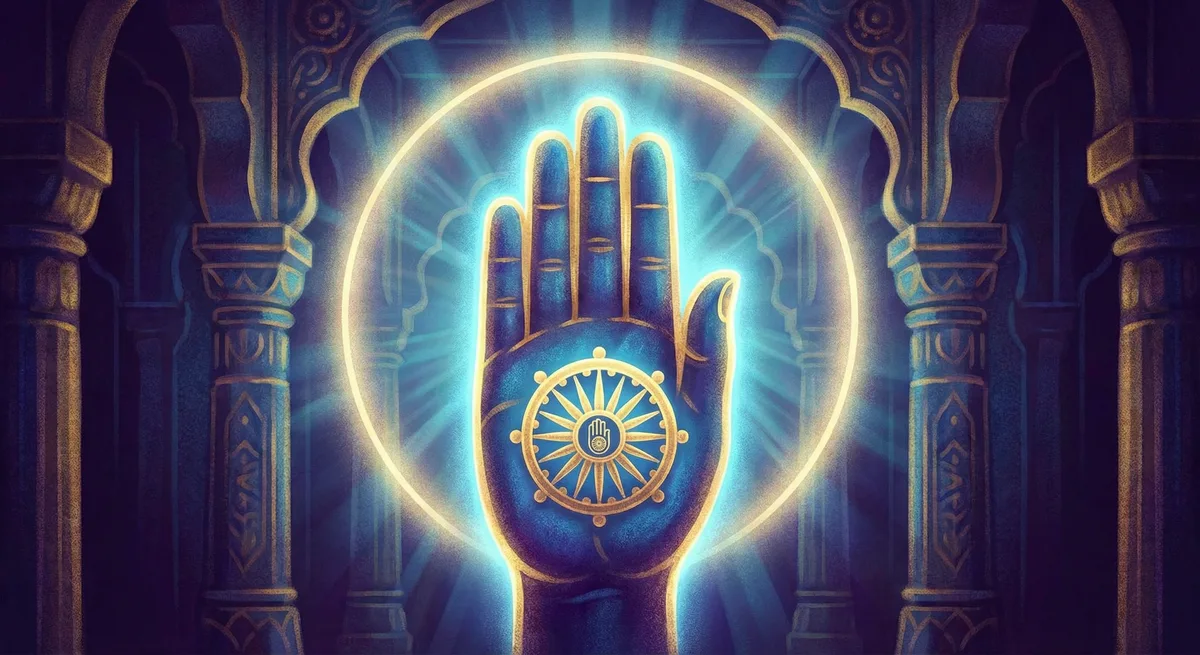
Jain symbol — hand with wheel of dharma, ahimsa
Jain emblem — image to be generated

The Tirthankaras

The ford-makers who crossed to liberation

Twenty-four Tirthankaras have appeared in this age. The last two—Parshvanatha (9th century BCE) and Mahavira (6th century BCE)—are historically attested. Mahavira is often called the founder of Jainism, though he revived an ancient path. The Tirthankaras attained omniscience and showed others the way. They are not worshipped as gods but honored as perfected beings.

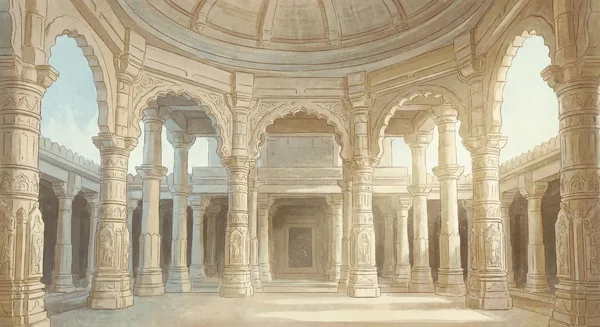
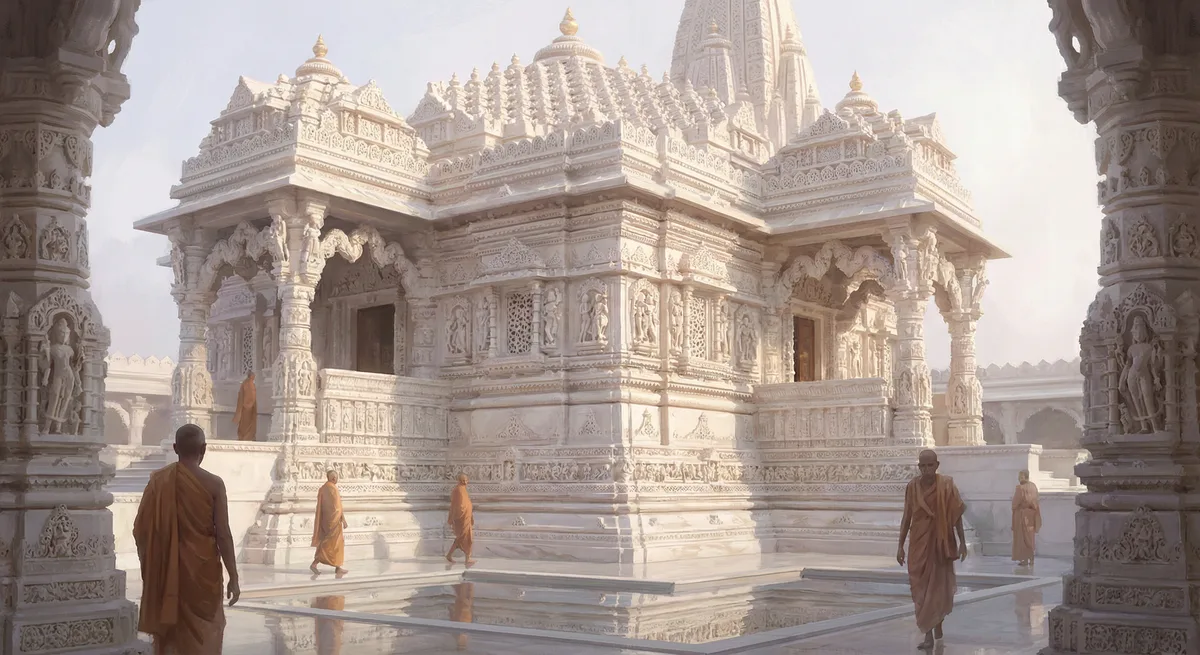
Jain temple — white marble, intricate carving, serene
Jain temple — image to be generated

Ahimsa — Non-Violence

The first and greatest vow

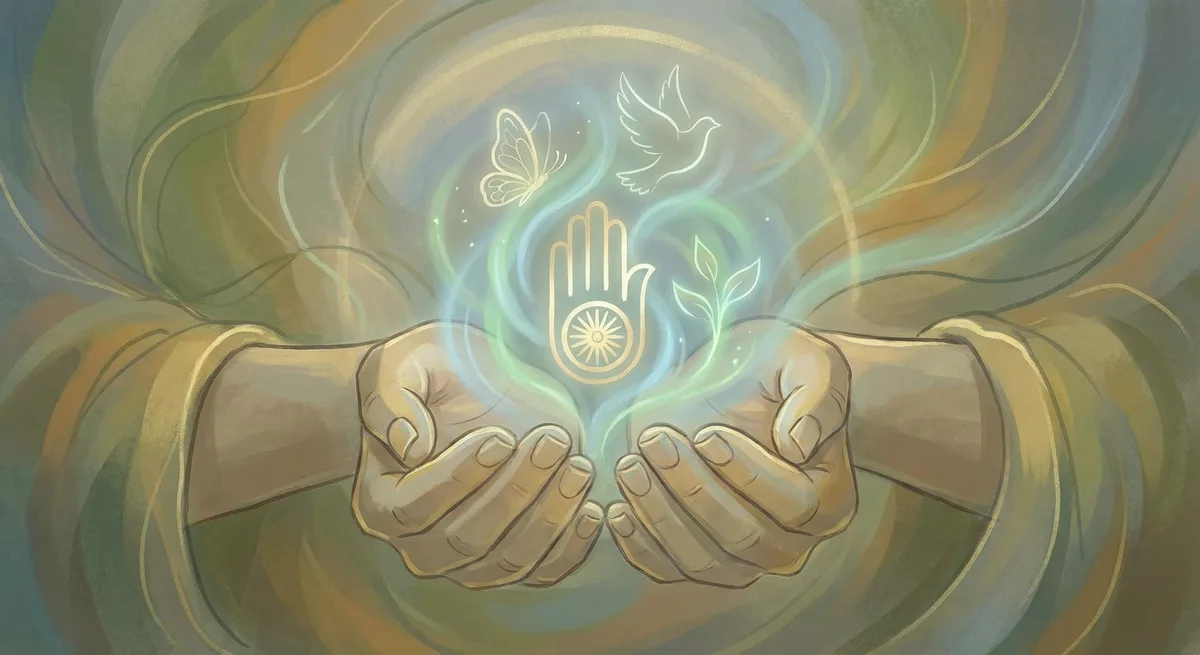
Ahimsa means not harming any living being—in thought, word, or deed. Jains extend this to insects, plants, and microscopic life. Monks sweep the path before walking; some wear masks to avoid inhaling organisms. Vegetarianism is strict; many avoid root vegetables (which contain more life-forms). Ahimsa is not passivity—it is active compassion, the refusal to cause harm.

Open hands — gentleness, non-harm, compassion
Non-violence — image to be generated

The Five Vows (Mahavratas)

For monks and nuns—the great vows

Ahimsa — Non-violence
Satya — Truth
Asteya — Non-stealing
Brahmacharya — Celibacy
Aparigraha — Non-possession

Lay Jains observe these in diluted form (anuvratas). The full vows are for those who renounce the world. Austerity—fasting, meditation, study—accompanies the vows.

Liberation (Moksha)

Release from the cycle of rebirth

When all karma is shed, the soul rises to the top of the universe—Siddhashila—where it exists in pure consciousness, free from rebirth. The liberated soul (siddha) is omniscient, blissful, and eternal. This is the goal: not heaven, but release from all worldly existence.