Black box track: This hub is public; core implementation and repo detail stay partner scoped. Research status (what ships, what is spec): Research status. Technical briefings under NDA: Partners.

Hinduism

Sanatana Dharma — The Eternal Way

Hinduism is not a single creed but a vast family of traditions—Vedantic, devotional, yogic—united by shared texts, concepts, and practices. The Vedas, the Upanishads, karma, dharma, and devotion (bhakti) shape a tradition of extraordinary diversity. One reality (Brahman) manifests in many forms; many paths lead to the One.

What We Hold Sacred

The Vedas & Upanishads — Shruti, that which was heard

Hinduism holds sacred the Vedas—the oldest scriptures, shruti, "that which was heard" by the rishis in meditation. The Rig Veda's hymns, the Upanishads' dialogues on Brahman and Atman, the Bhagavad Gita's teaching of devotion and duty—these are not of human authorship but revealed truth. The transcendent secret of Hinduism is Tat tvam asi—Thou art That. The Self and the Ultimate are not two. The multiplicity of gods and goddesses are manifestations of the one Brahman, like waves on the same ocean. Sacred is the syllable Om, the sacred fire, the Ganges, the guru. What Hindus hold most sacred is the possibility of moksha—liberation from the cycle of rebirth—through knowledge, devotion, or disciplined action. The Vedas are eternal; they were not composed but perceived. They are the breath of the cosmos, heard by those who listen.
Sanatana Dharma

The eternal order—what upholds the cosmos

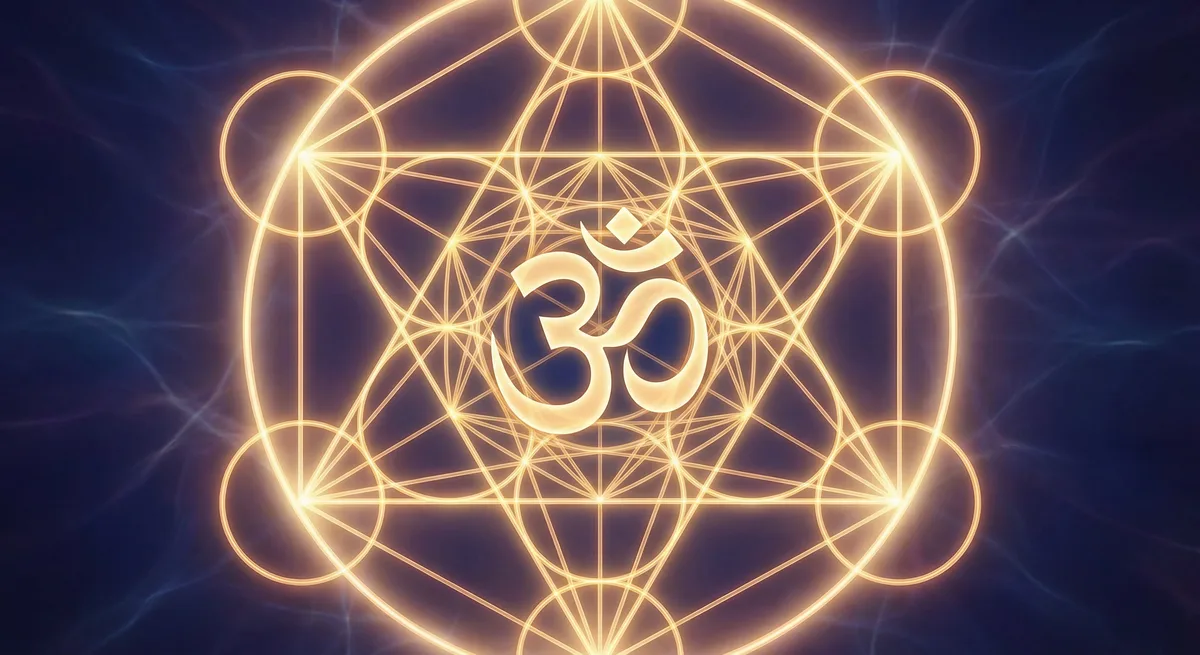
Dharma is law, duty, righteousness—the order that sustains the universe and guides human life. Sanatana means eternal. Hindus speak of their tradition as the eternal dharma—not founded by a single figure but revealed through sages across ages. The goal is moksha—liberation from the cycle of rebirth.

Om symbol with sacred geometry — golden, serene
Om — image to be generated

The Vedas & Sacred Texts

Śruti and smṛti

The Vedas (Rig, Sama, Yajur, Atharva) are śruti—heard, revealed. The Upanishads explore the nature of Brahman (ultimate reality) and Atman (the self): "Tat tvam asi"—Thou art that. The Bhagavad Gita—a dialogue between Arjuna and Krishna—teaches duty, devotion, and the paths of action, knowledge, and love. The epics (Mahabharata, Ramayana) convey dharma through story.

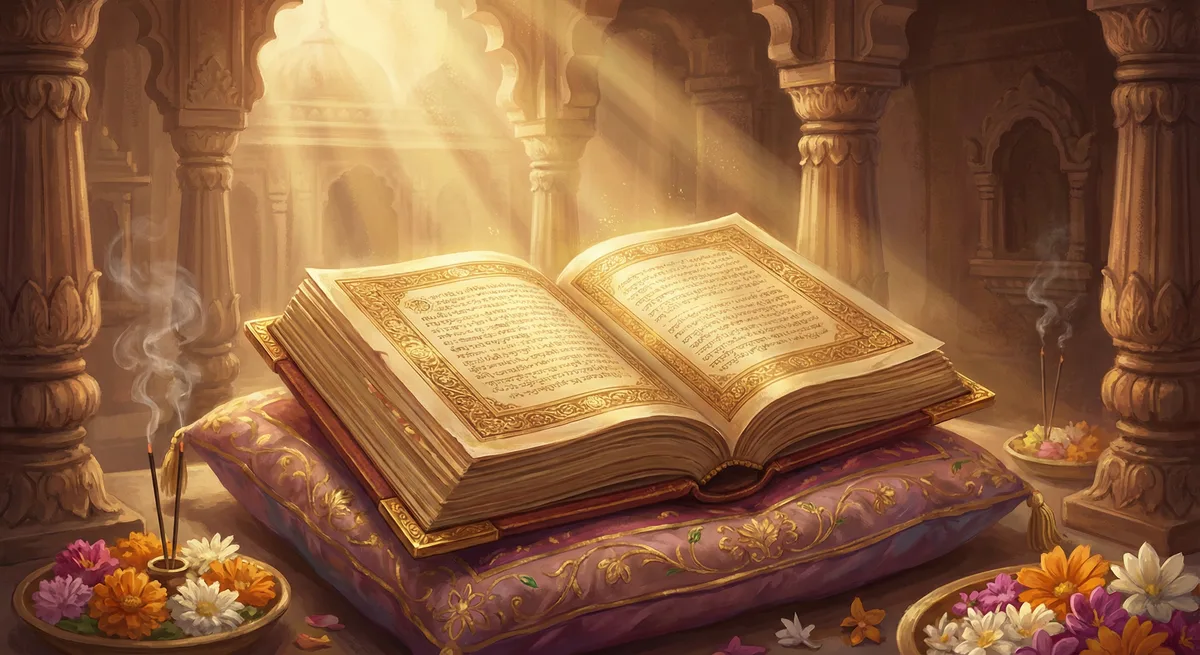
Bhagavad Gita — ornate, reverent
Sacred text — image to be generated

Deities & Devotion (Bhakti)

The One in many forms

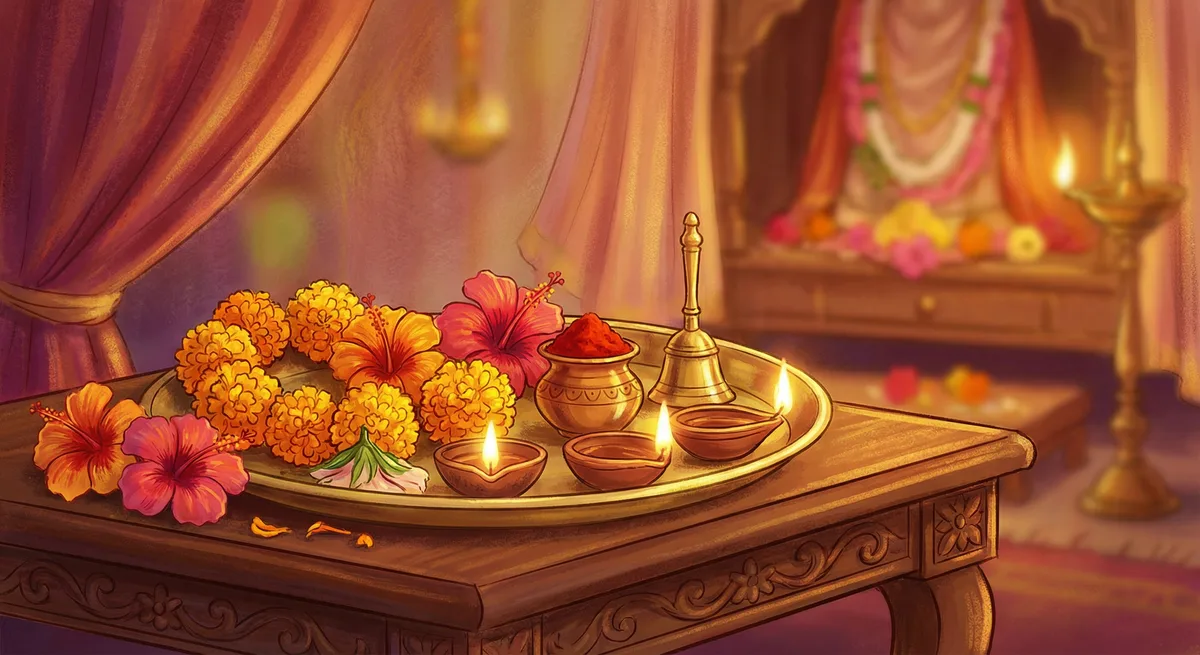
Hinduism affirms one supreme reality (Brahman) that may be approached through many forms—Shiva, Vishnu, Devi, Ganesha, and countless others. Devotees choose an ishta devata (beloved deity) and offer puja—worship with flowers, incense, light. Bhakti—loving devotion—is a central path. "In whatever way humans approach me, in that way I receive them" (Bhagavad Gita).

Puja offerings — flowers, lamps, reverent arrangement
Devotion — image to be generated

Karma & Samsara

Action and rebirth

Karma—action and its consequences—shapes one's destiny across lives. Samsara is the cycle of rebirth. Liberation (moksha) is freedom from this cycle—union with Brahman or release into pure consciousness. The law of karma is not punitive but formative: we become what we do.

Paths to Liberation

Jnana, Bhakti, Karma, Raja Yoga

Jnana — The path of knowledge. Discernment between the real and the unreal. Bhakti — The path of devotion. Love of the divine. Karma — The path of selfless action. Duty without attachment to fruits. Raja Yoga — The path of meditation and discipline. The Yoga Sutras of Patanjali systematize this path.