Black box track: This hub is public; core implementation and repo detail stay partner scoped. Research status (what ships, what is spec): Research status. Technical briefings under NDA: Partners.

Sikhism

The Path of the Sikhs

Sikhism emerged in the Punjab in the 15th century. Guru Nanak and the nine Gurus who followed taught devotion to one God (Ik Onkar), equality of all people, and selfless service (seva). The Guru Granth Sahib—the eternal Guru—is the living scripture. Sikhs uphold the three pillars: Naam Japna (remember God), Kirat Karni (honest labor), Vand Chhakna (sharing with others).

What We Hold Sacred

The Guru Granth Sahib — The eternal Guru in written form

Sikhs hold sacred the Guru Granth Sahib—not a book about God but the living Guru, the embodiment of divine wisdom. After the ten human Gurus, the revelation was enshrined in this scripture, which is honored as sovereign, carried in procession, and read continuously in the gurdwara. The transcendent secret of Sikhism is Ik Onkar—One Reality, One Creator. The Granth contains the words of the Gurus and saints from Hindu and Muslim traditions alike—Kabir, Namdev, Farid—all pointing to the same truth. What Sikhs hold most sacred is the equality of all humans before the One, the practice of seva (selfless service), and langar—the free community meal where everyone sits as equals, regardless of caste or creed. The Granth is not merely read; it is consulted for guidance, sung as kirtan, and revered as the presence of the Guru. Sacred is the path of devotion that leads to union with the Nameless One.
Ik Onkar — One God

There is one creator, one truth

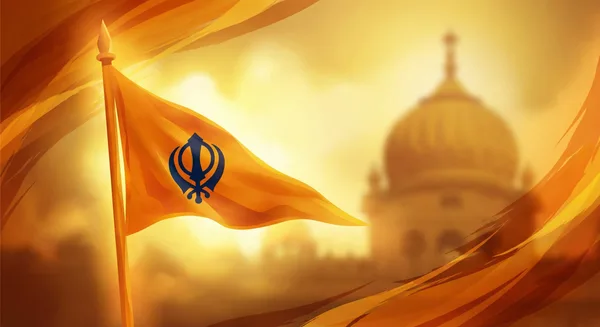
Sikhism is monotheistic. Ik Onkar—"One Supreme Reality"—appears at the opening of the Guru Granth Sahib. God is formless, timeless, and present in all creation. Sikhs reject idol worship and the caste system. All are equal before the One.

Ik Onkar symbol — the sacred emblem of Sikhism, golden
Ik Onkar — image to be generated

The Ten Gurus

From Guru Nanak to Guru Gobind Singh

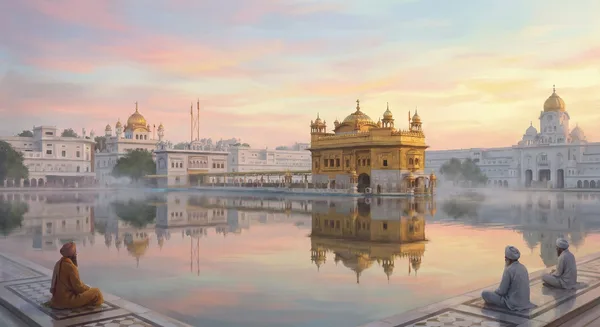
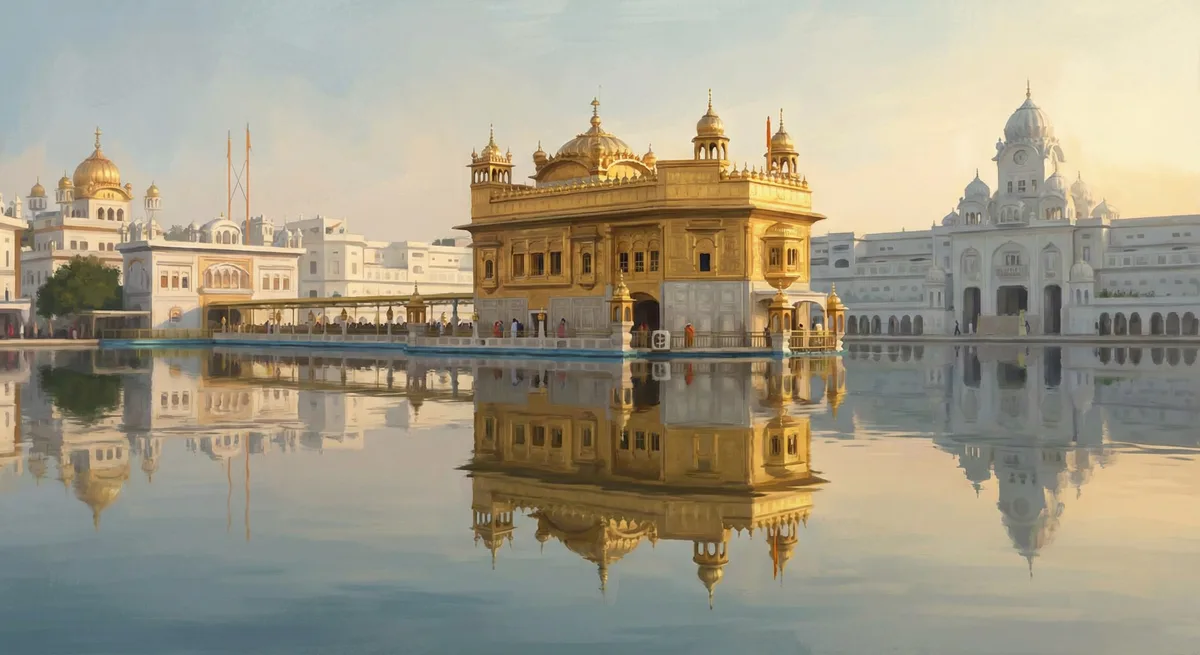
Guru Nanak (1469–1539) founded Sikhism. His successor Gurus built the tradition—establishing Amritsar, compiling the scripture, and founding the Khalsa. The tenth Guru, Gobind Singh, declared the Guru Granth Sahib the eternal Guru. The human line of Gurus ended; the Word continues.

Golden Temple (Harmandir Sahib) reflecting in water — serene, reverent
Harmandir Sahib — image to be generated

Guru Granth Sahib

The eternal Guru—living scripture

The Guru Granth Sahib is the central scripture—1,430 pages of hymns (shabads) composed by the Gurus and saints from Hindu and Muslim traditions. It is treated as a living Guru: enthroned, fanned, and honored in the gurdwara. Sikh worship centers on recitation and singing of these hymns.

Guru Granth Sahib — reverent, ornate, golden cloth
Guru Granth Sahib — image to be generated

Seva & Equality

Selfless service—langar for all

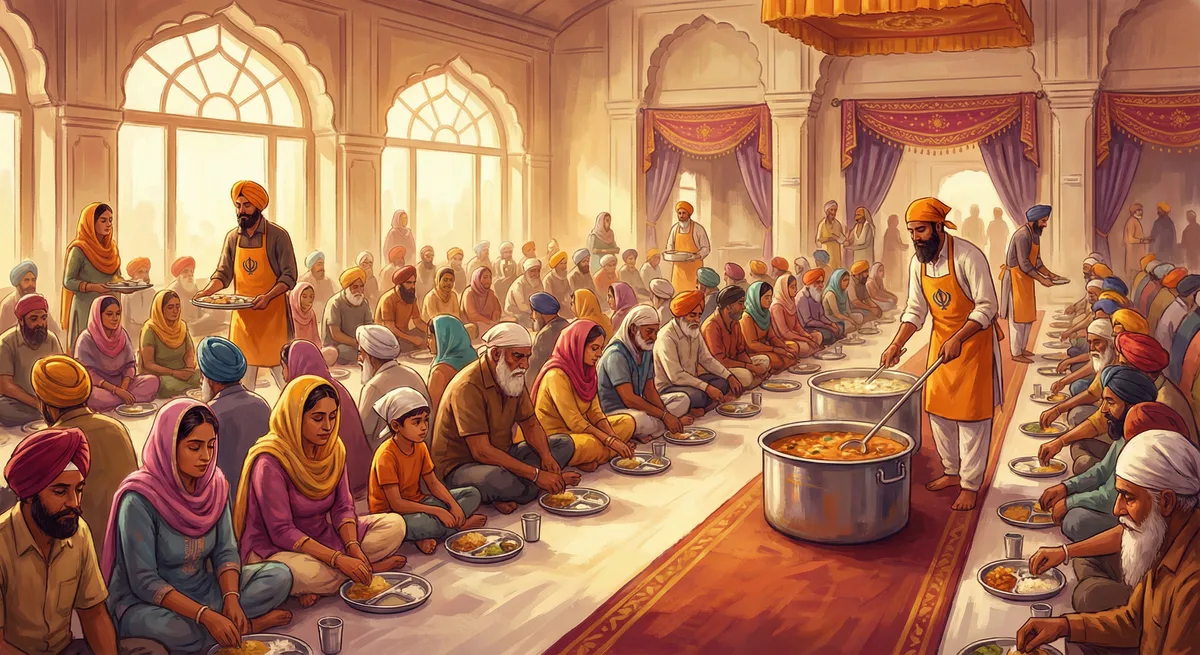
Seva—selfless service—is central. Every gurdwara has a langar (community kitchen) where all may eat free, regardless of background. No one is turned away. Equality extends to gender, caste, and creed. The Sikh ideal: work honestly, share with others, remember God.

Langar hall — community meal, diverse people sharing food
Langar — image to be generated

The Khalsa

The pure ones—identity and commitment

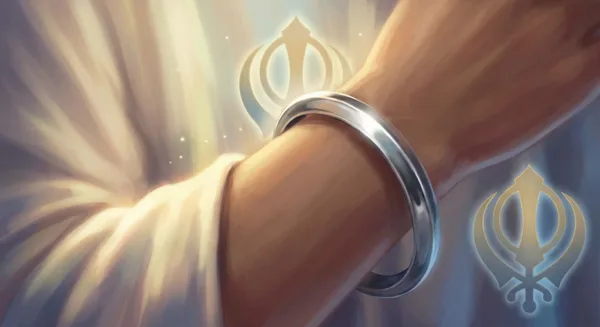
Guru Gobind Singh founded the Khalsa in 1699. Initiated Sikhs (amritdhari) wear the five Ks: Kesh (uncut hair), Kangha (comb), Kara (steel bracelet), Kachera (undergarment), Kirpan (ceremonial sword). These mark identity and commitment to truth, justice, and the protection of the vulnerable.