Black box track: This hub is public; core implementation and repo detail stay partner scoped. Research status (what ships, what is spec): Research status. Technical briefings under NDA: Partners.

Buddhism

The Path to Awakening

Siddhartha Gautama became the Buddha—the awakened one—under the bodhi tree some 2,500 years ago. His insight: suffering has a cause, and there is a path to its end. Buddhism is not a theism but a path of practice—ethics, meditation, wisdom—leading to liberation (nirvana) and the end of dukkha (suffering).

What We Hold Sacred

The Dharma — The path that ends suffering

Buddhism holds sacred the Dharma—the teaching that leads to awakening. Not a deity to worship but a path to walk. The Four Noble Truths and the Eightfold Path are the heart of what the Buddha revealed under the bodhi tree. The Tripitaka, the sutras, the commentaries—these are vessels for the Dharma, but the Dharma itself is the transcendent secret: suffering can cease, and there is a way. The Buddha said, "Be a lamp unto yourself." What Buddhists hold sacred is not the Buddha as god but the possibility he demonstrated—that a human being can wake up, can end craving, can attain liberation. The sangha, the community of practitioners, carries the Dharma forward. Sacred is the lotus that rises from mud unsullied—the potential for purity in every mind, the awakening that is already present, waiting to be realized.

The Buddha

Siddhartha Gautama—the awakened one

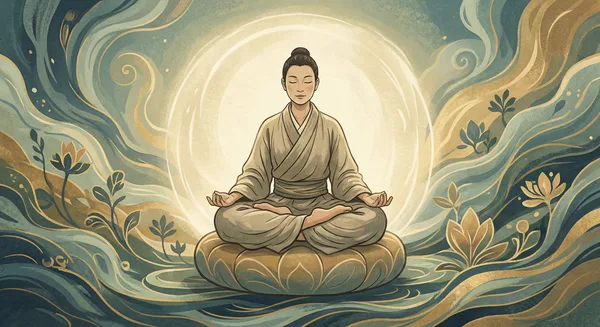
Born a prince, Siddhartha left luxury to seek the end of suffering. After years of asceticism and meditation, he sat under the bodhi tree and attained enlightenment. He taught for 45 years—the Dharma—and founded the sangha, the monastic community. He is not a god but a guide: "Be a lamp unto yourself."

Bodhi tree with soft light — symbolic of awakening, serene
The Bodhi tree — image to be generated

The Four Noble Truths

The framework of the Dharma

1. Dukkha — Suffering exists. Life involves dissatisfaction, loss, and impermanence.

2. Samudaya — Suffering has a cause. Craving, attachment, and ignorance.

3. Nirodha — Suffering can cease. There is an end to dukkha.

4. Magga — There is a path. The Noble Eightfold Path leads to the end of suffering.

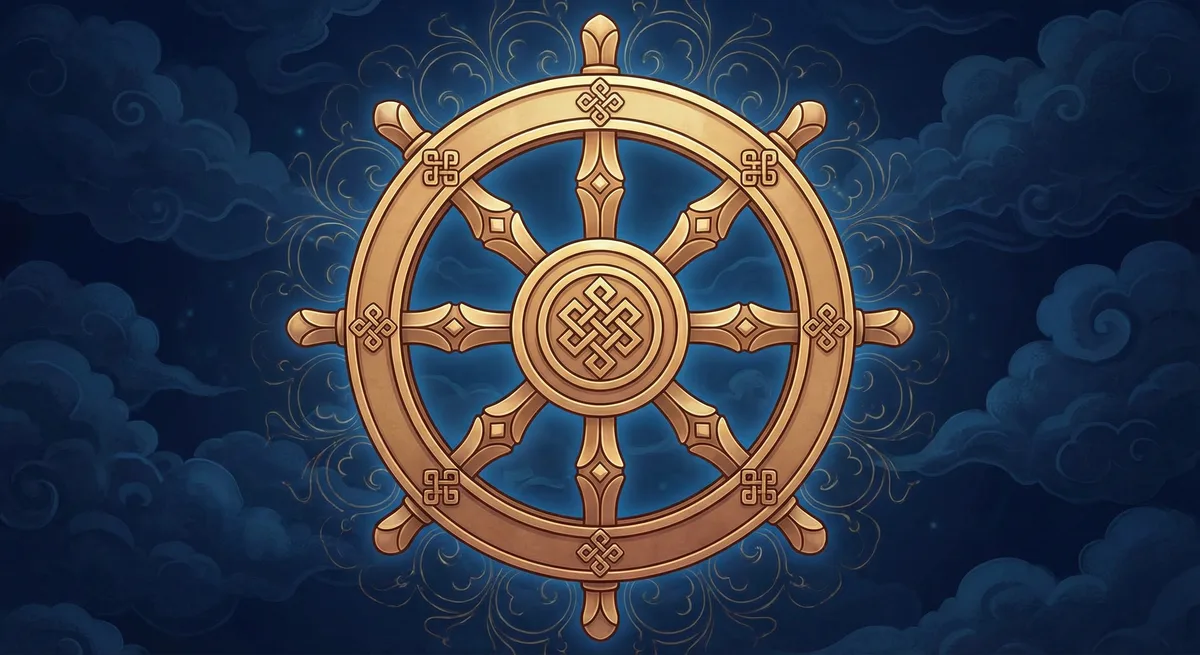
Dharma wheel — stylized, golden, symbolic
Dharma wheel — image to be generated

The Noble Eightfold Path

Right view, intention, speech, action, livelihood, effort, mindfulness, concentration

Eight aspects of practice—ethical conduct (right speech, action, livelihood), mental discipline (right effort, mindfulness, concentration), and wisdom (right view, intention). The path is neither indulgence nor harsh asceticism but the Middle Way.

Compassion (Karuṇā) & Loving-Kindness (Metta)

The heart of the bodhisattva

In Mahayana Buddhism, the bodhisattva vows to postpone nirvana until all beings are liberated. Karuṇā (compassion) and mettā (loving-kindness) are cultivated through meditation and embodied in action. The Dalai Lama speaks of compassion as the foundation of a happy life and a peaceful world.

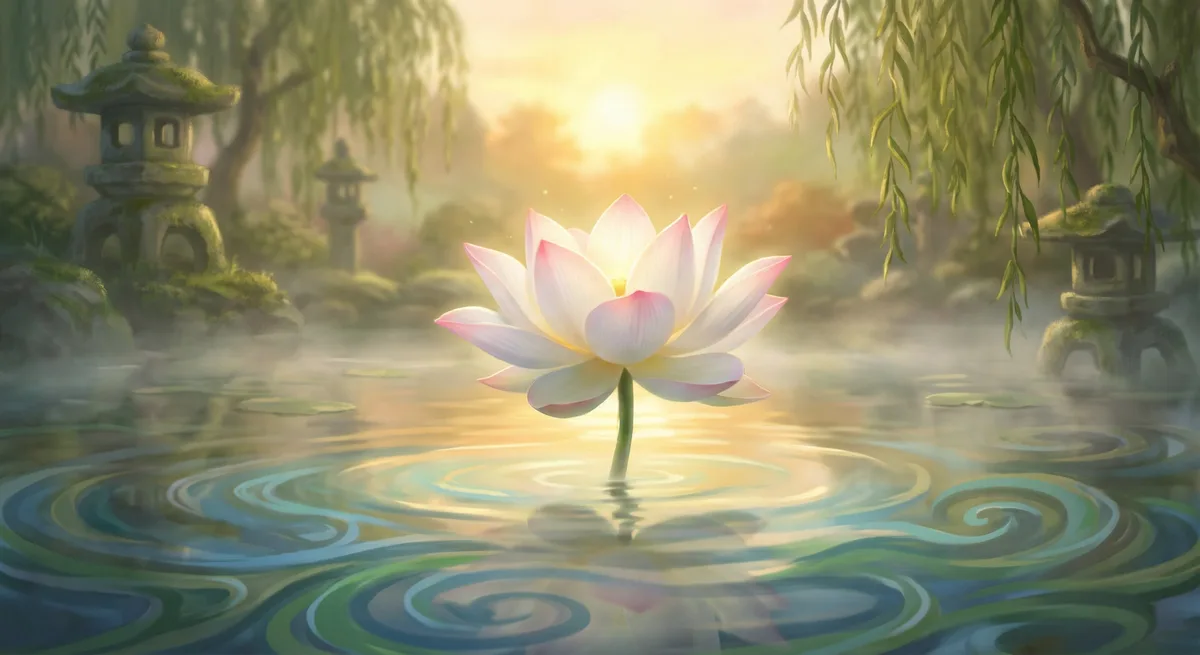
Lotus emerging from water — purity, compassion, serenity
Lotus — image to be generated

Schools & Traditions

Theravada, Mahayana, Vajrayana

Theravada—the way of the elders—emphasizes the monastic path and individual liberation. Mahayana—the great vehicle—emphasizes the bodhisattva ideal and emptiness (śūnyatā). Vajrayana—the diamond vehicle—includes Tibetan Buddhism and employs meditation on deities and mandalas. All share the core of the Four Truths and the Eightfold Path.