Deep Time
Geology · Extinction · Scale
If Earth’s age were one day, recorded history is a blink inside the last second.
— Common teaching analogy (scale only)
Deep time is not escapism; it is calibration. Radioactive clocks, stratigraphy, and ice cores stitch a story billions of years long. This essay invites perspective—without using timescales to dodge present responsibility.
I. How We Date Rocks
Isotopes, half-lives, cross-checks
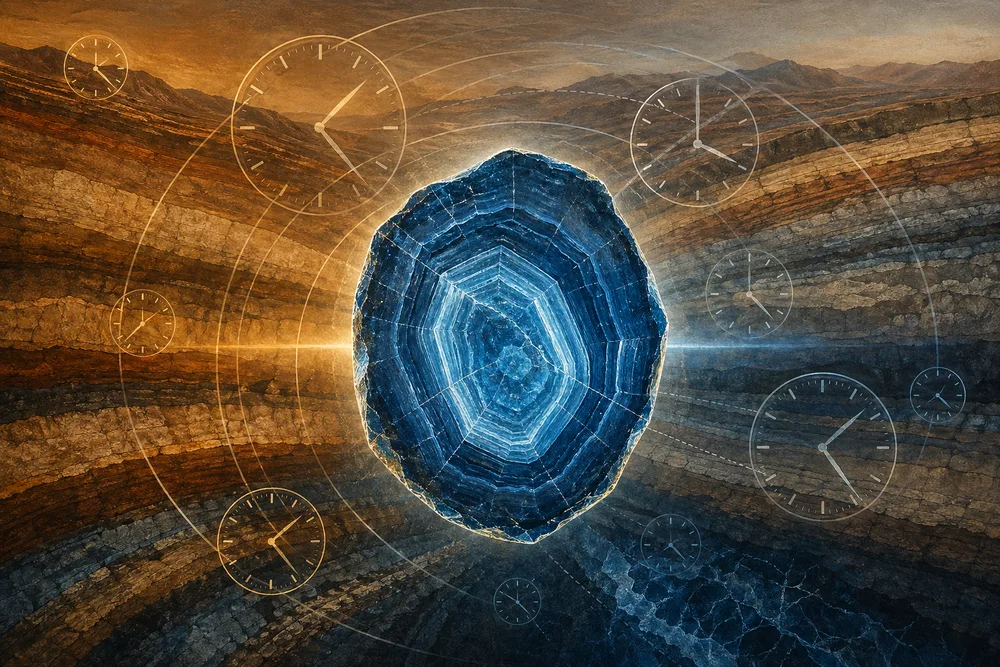
Radiometric dating compares parent and daughter isotopes trapped when minerals formed. Independent methods (multiple isotope systems, biostratigraphy, geomagnetism) converge on old ages—not because scientists want them old, but because consilience wins.
Young-Earth talking points often cherry-pick anomalies; serious geology chases the full distribution of evidence.
II. Life’s Long Experiment
Oxygen, ice, recovery
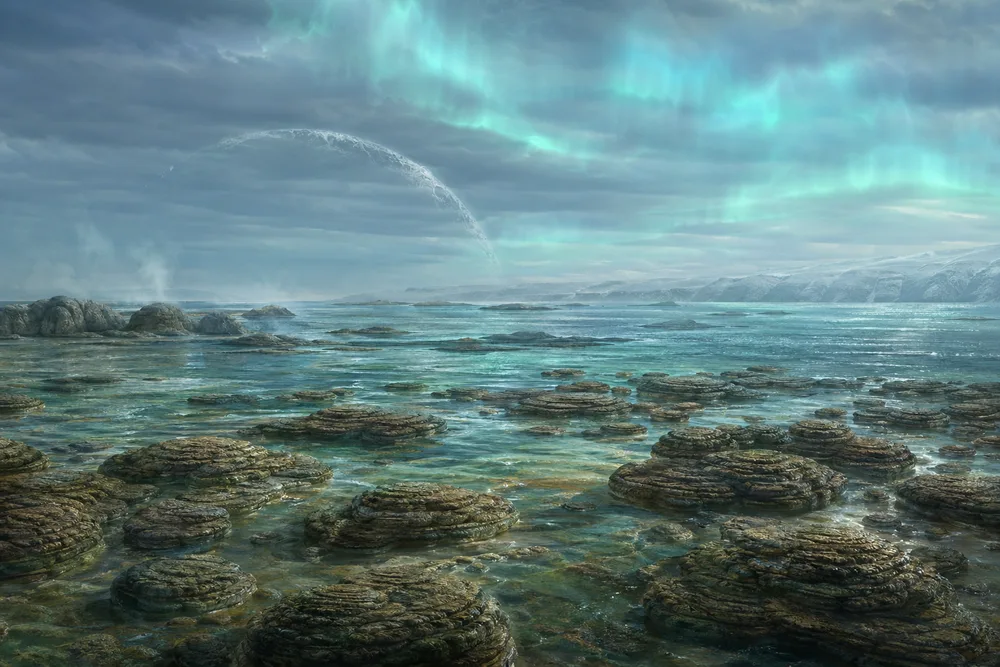
Microbial Earth ran billions of years before complex animals. Oxidation events, snowball episodes, and mass extinctions are not footnotes—they shaped metabolisms available today.
Human agriculture occupies a sliver at the end—a remarkable sliver worth defending carefully.
III. Fast Forcing on an Old Planet
Why deep time matters for climate literacy
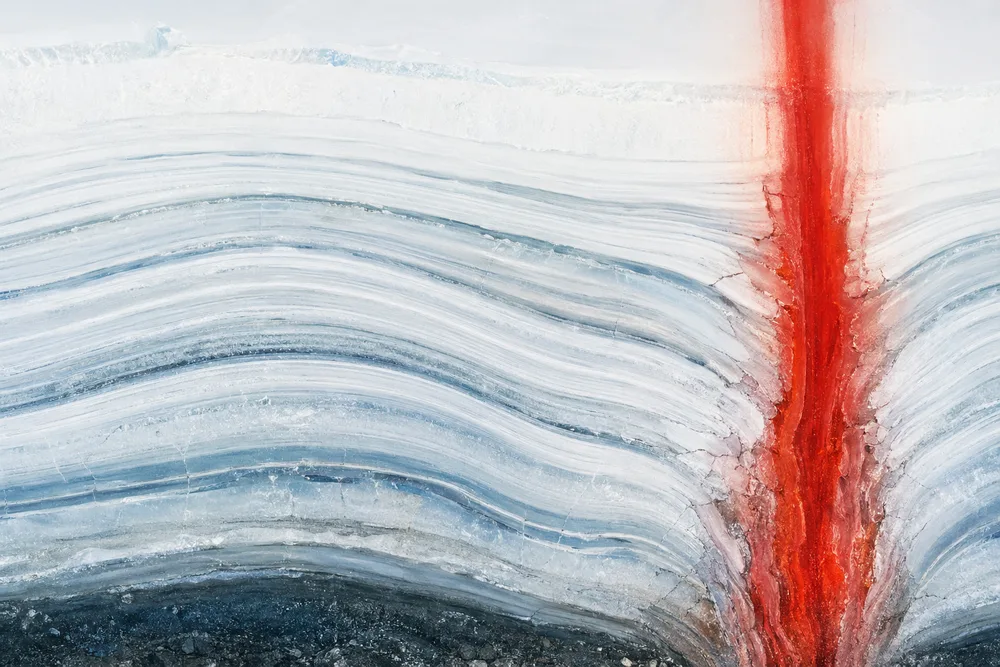
Paleoclimate records show what slow orbital tweaks did across millennia. Today’s carbon pulse is geologically sudden—which is precisely why it is dangerous.
Scale shifts your questions: not “has climate changed before?” but “how fast, for whom, with what commitments?”
IV. Humility, Not Helplessness
Cosmic smallness pairs with agency
Deep time invites awe; it should not numb duty. We are brief; our infrastructure choices echo for generations.
Phyllux media here is descriptive. Policy and measurement live in their proper venues.
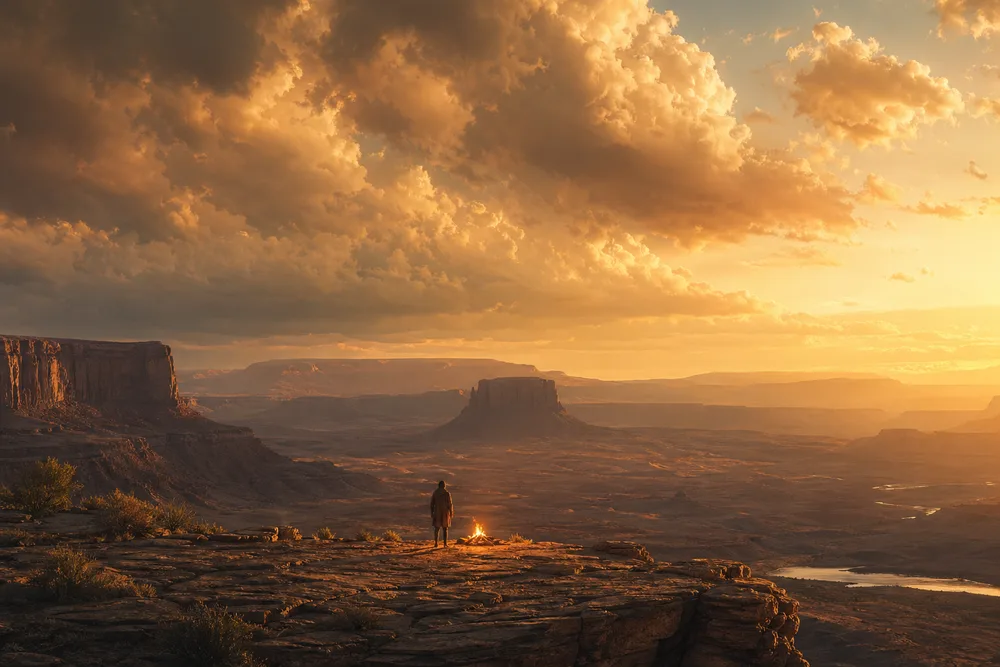
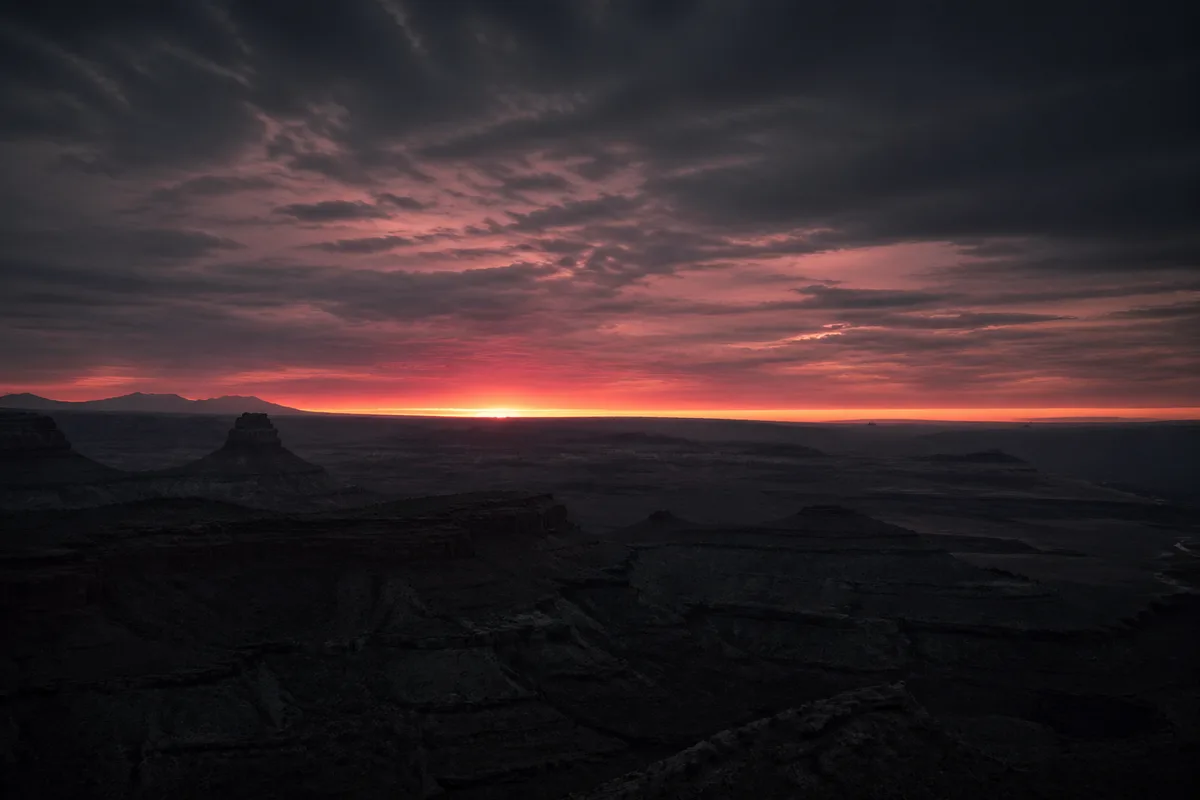
Still Brief, Still Bright
The Earth is old; the moment is narrow. Both truths belong in the same mind.
Measure your life in love and loops per second—or in limestone; choose wisely.