Black box track: This hub is public; core implementation and repo detail stay partner scoped. Research status (what ships, what is spec): Research status. Technical briefings under NDA: Partners.

Yoruba Traditions

Orisha, Ifa, and the Wisdom of West Africa

The Yoruba traditions of West Africa—including what has come to be known as Ifa, Orisha veneration, and related practices—form one of the world's great religious and philosophical systems. Olodumare is the supreme creator; the Orisha are divine forces mediating between heaven and earth; Ifa is the system of divination and wisdom. These traditions crossed the Atlantic with the enslaved and flourished in the diaspora: Santería, Candomblé, Vodou (with other African roots), and others. They continue to grow, adapt, and inspire.

What We Hold Sacred

Ifá & the Odu — Wisdom of the ancestors

Yoruba tradition holds sacred the wisdom of Ifá—the divination system that channels the voices of the Orisha and the ancestors. The Odu, the 256 chapters of Ifá poetry, contain the stories, proverbs, and prescriptions that guide life. Olodumare is the supreme source; the Orisha—Ọṣun, Ṣango, Ọya, Ọbatala, and many more—are divine powers that mediate between heaven and earth. The transcendent secret of Yoruba tradition is that the sacred is not distant but present—in the river, the thunder, the market, the home. What Yoruba holds most sacred is the bond with the ancestors, the continuity of the community (egbe), and right relationship with the forces that sustain life. The diviner casts the palm nuts; the verses speak. Sacred is the recognition that we are never alone—the living, the dead, and the divine are in constant conversation.
Olodumare — The Supreme

The source of all

Olodumare (or Olorun) is the supreme deity—the source of being, distant yet present. Olodumare does not receive direct worship in the same way as the Orisha; the Orisha are the intermediaries. Creation flows from Olodumare through the Orisha, who govern natural forces, human qualities, and the destinies of individuals and communities.

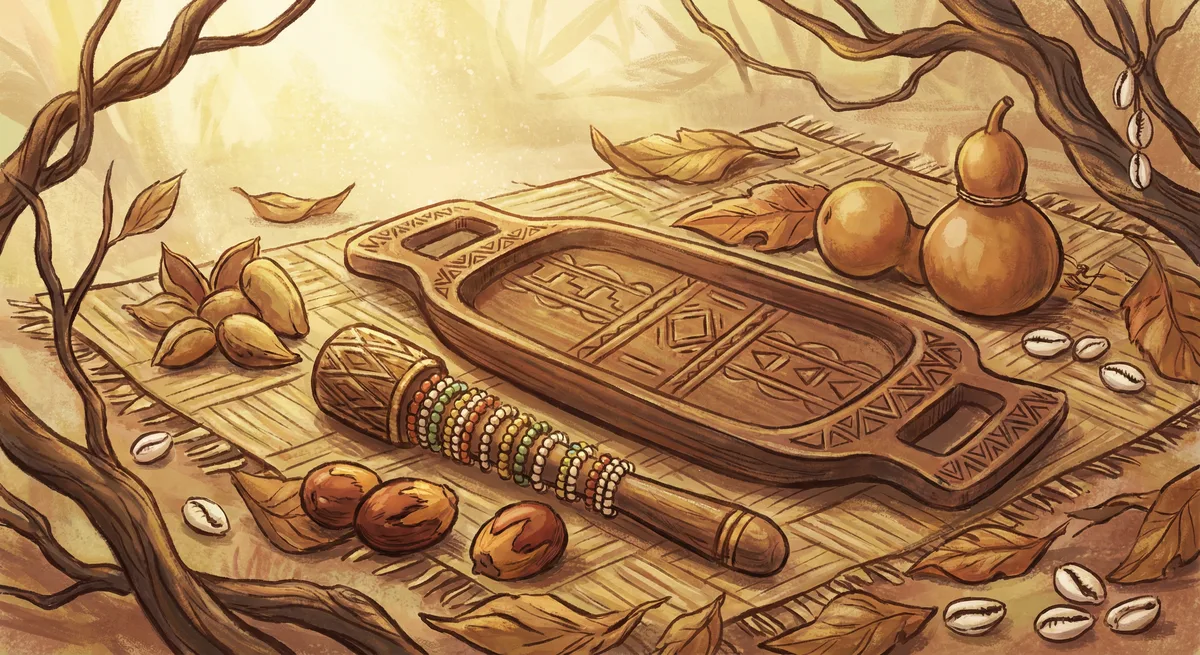
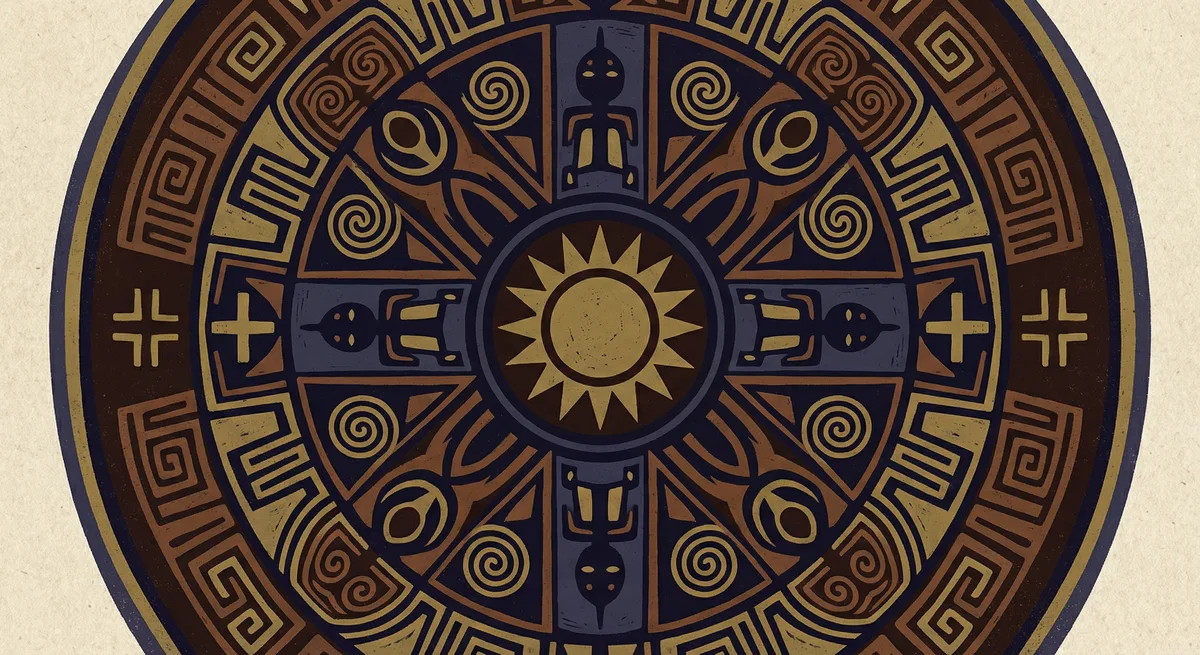
Ifa divination tray or Yoruba motif — geometric, reverent
Ifa symbol — image to be generated

The Orisha

Divine forces of nature and life

The Orisha (Òrìṣà) are divine beings—each associated with aspects of nature and human experience. Ogun (iron, war, technology), Yemoja (water, motherhood), Shango (thunder, justice), Oshun (rivers, beauty, love), Obatala (creation, purity)—hundreds are named, dozens widely venerated. They are not remote; they participate in human life. Devotees develop relationships with particular Orisha through prayer, sacrifice (ebó), and possession (when the Orisha "mounts" the devotee in ritual).

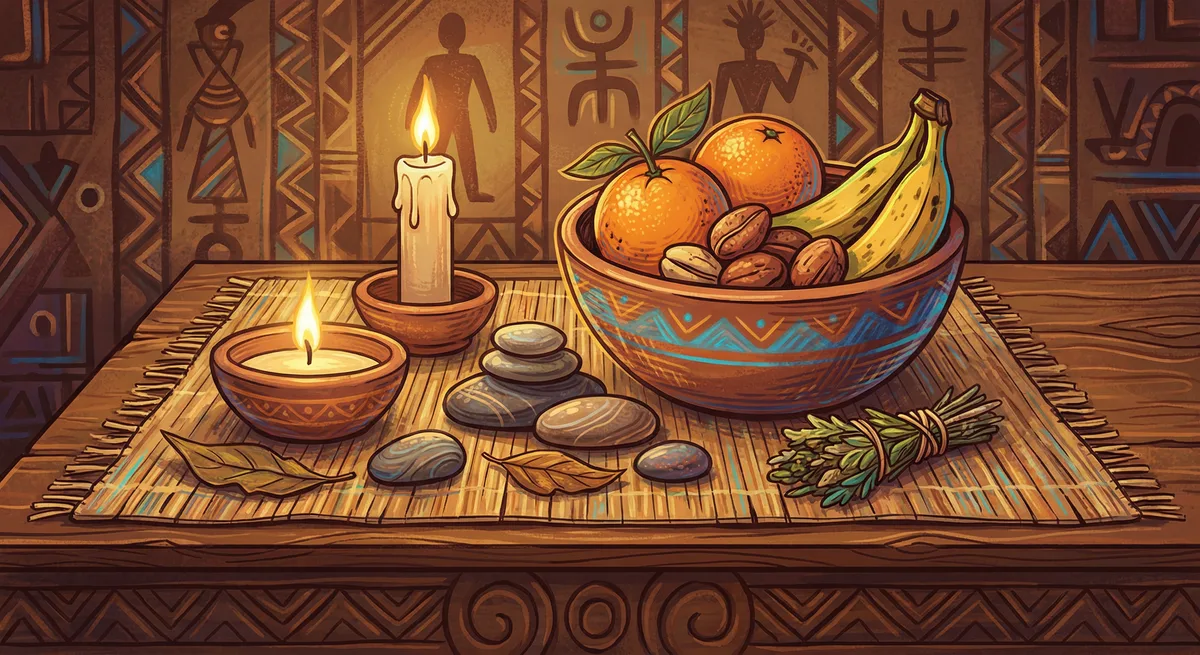
Reverent offering — fruits, candles, natural elements
Offering — image to be generated

Ifa — Divination & Wisdom

The word of Orunmila

Ifa is the system of divination associated with Orunmila, the Orisha of wisdom. The Babalawo (father of secrets) casts the palm nuts or divination chain to produce one of 256 odù—patterns, each with verses, stories, and guidance. Ifa is not fortune-telling but consultation: what does the moment require? What sacrifice, what change? The verses (Odu Ifa) comprise a vast oral literature—proverbs, myths, and ethical teaching.

Divination instruments — reverent, wood and natural materials
Ifa — image to be generated

Ancestor Reverence

The living and the dead in relationship

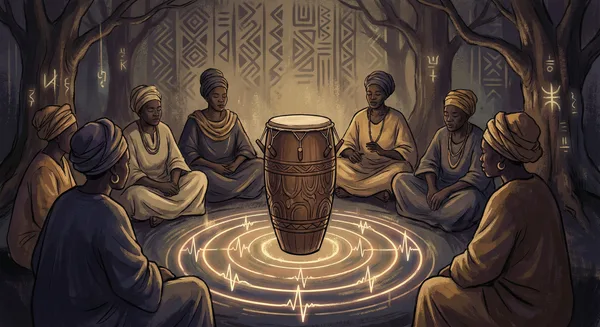
Ancestors (egungun, or in the diaspora, egun) are honored—not worshipped as gods but respected as elders who continue to care for the living. Proper burial, periodic remembrance, and offerings maintain the bond. The dead are not gone; they are present, to be consulted and appeased. This sensibility undergirds Yoruba and broader African traditional practice.

The Diaspora

Survival, adaptation, and flourishing

Under slavery and colonialism, Yoruba traditions persisted—often disguised beneath Catholic saints (Santería in Cuba, Puerto Rico), or blended with other African traditions (Candomblé in Brazil, Vodou in Haiti). The Orisha endured. Today, these traditions are practiced openly in the Americas, Africa, and globally. They adapt—each house, each lineage, has its style—while honoring the source.