Black box track: This hub is public; core implementation and repo detail stay partner scoped. Research status (what ships, what is spec): Research status. Technical briefings under NDA: Partners.

Candomblé

The Sacred in Bahia

Candomblé is an African-Brazilian religion born from the traditions of Yoruba, Fon, Bantu, and other African peoples brought to Brazil in slavery. Olodumare is the supreme creator; the orixás (orixas) are divine forces—each with songs, dances, colors, and domains. Candomblé survived persecution, often disguised beneath Catholic saints. Today it flourishes openly in Brazil and beyond. The terreiro (temple) is a house of axé—the vital force that flows through all things—where devotion, dance, and community intertwine.

What We Hold Sacred

Axé & the Orixás — The force that animates life

Candomblé holds sacred axé—the vital force that flows through all things, the energy that the Orixás transmit and that practitioners cultivate through devotion. The Orixás—Iansã, Oxum, Xangô, Oxalá, and the many nations—are the divine powers of the Yoruba pantheon, preserved and adapted in Brazil. The transcendent secret of Candomblé is the terreiro—the temple—as a place where heaven and earth meet, where the Orixás descend to dance, heal, and guide. Sacred are the songs, the drums, the offerings, the initiation that makes one a daughter or son of a particular Orixá. What Candomblé holds most sacred is the continuity of African wisdom in the Americas—the refusal to let the memory of the ancestors die, the insistence that the divine speaks in the language of the old homeland. Axé is received, nurtured, and passed on. It is the secret that makes the community thrive.
Olodumare — The Supreme

The source, distant yet present

Olodumare (Olorum) is the supreme deity—creator of all, rarely worshiped directly. The orixás are the intermediaries. This structure—inherited from Yoruba tradition—reflects the African roots of Candomblé. Olodumare gives life; the orixás govern the world and human destiny. Creation flows from the one through the many.

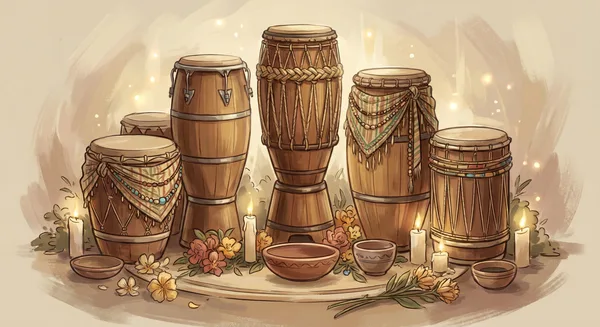
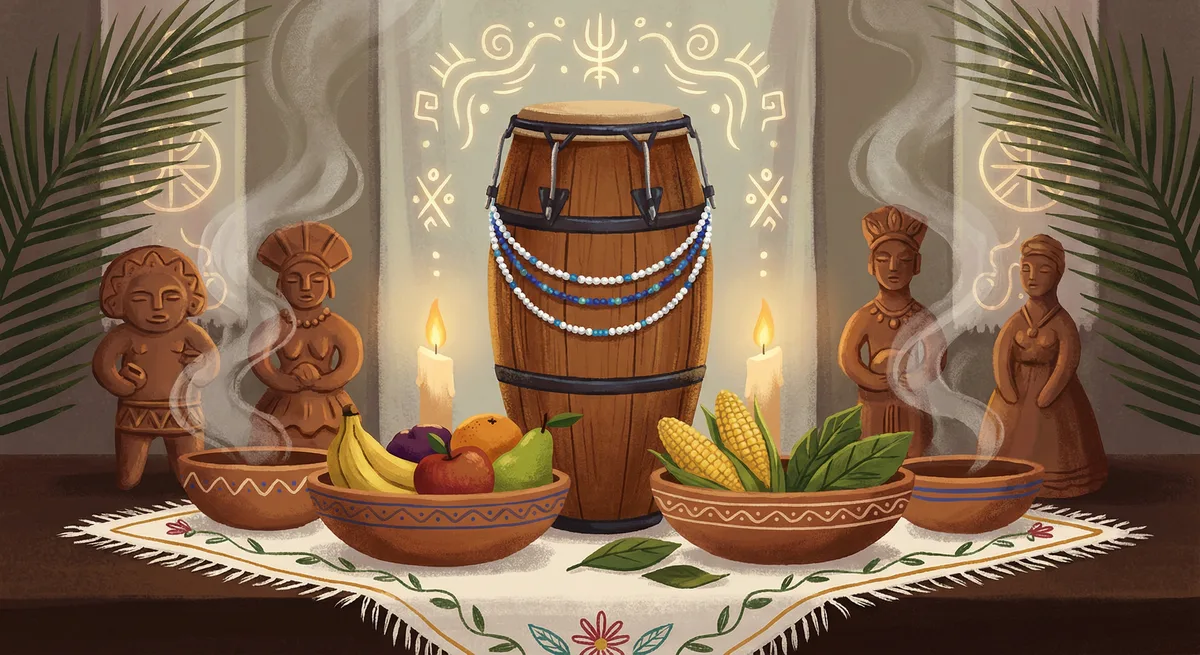
Ritual objects — atabaque, offerings, reverent
Terreiro — image to be generated

The Orixás

Divine forces of nature and life

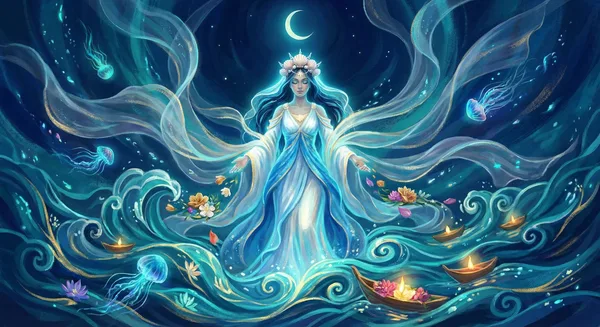
The orixás mirror the Yoruba Orisha: Oxalá (Obatala—creation, purity), Iemanjá (Yemoja—water, motherhood), Xangô (Shango—thunder, justice), Oxum (Oshun—rivers, beauty, love), Ogum (Ogun—iron, war), Iansã (Oya—wind, storms), Oxóssi (hunt, forest), and many more. Each has preferred foods, colors, and days. In ceremony, the orixá "incorporates" (possesses) the devotee—the spirit dances, speaks, blesses. This is honor and communion, not loss of self.

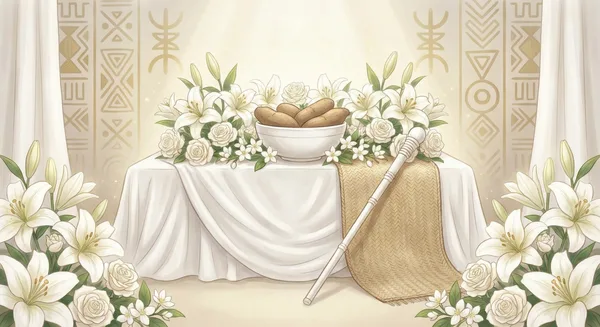
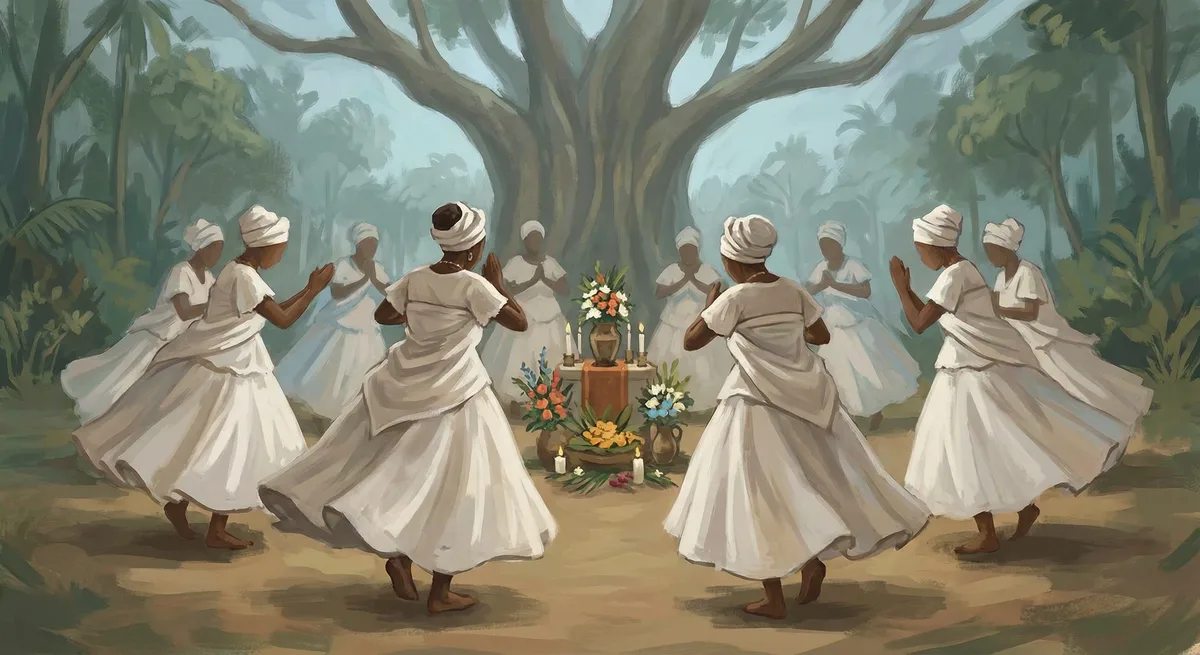
Reverent dance—white garments, ceremonial
Dance — image to be generated

Axé — Vital Force

The energy that animates all

Axé is the vital force—the energy that flows through people, nature, and the orixás. The terreiro is a house of axé; initiation (feitura) transmits it. Offerings (ebó), songs, and dance sustain axé. When axé is strong, health, prosperity, and harmony follow. Candomblé is not escapist; it strengthens devotees to live fully in the world.

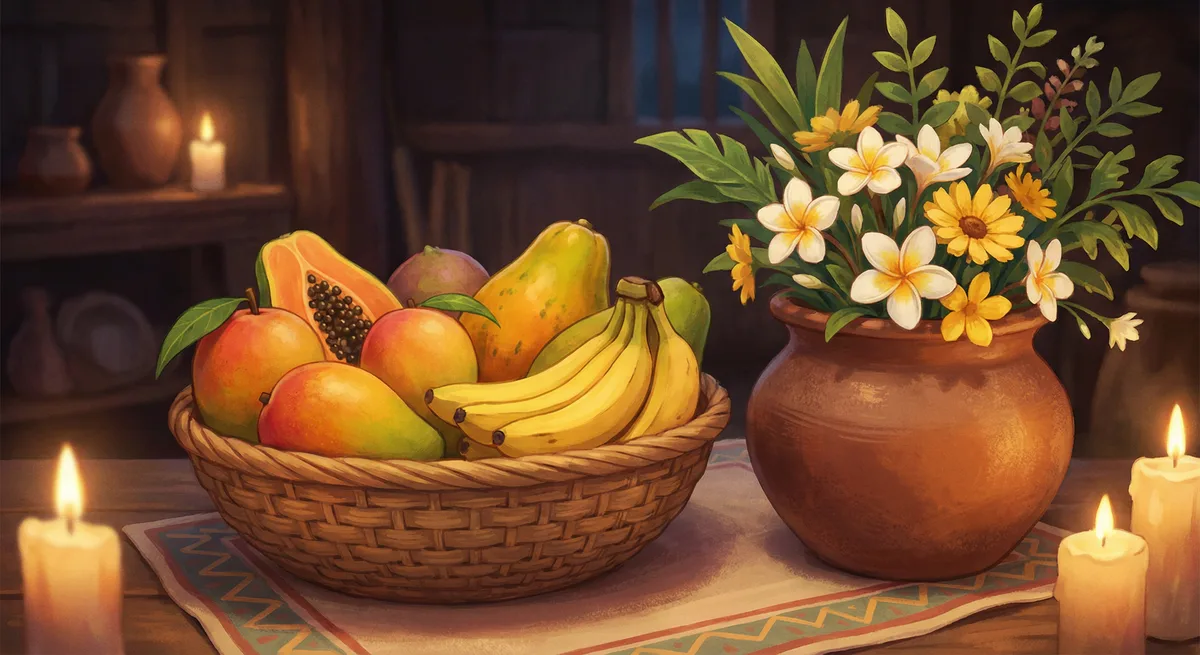
Offerings to the orixás — fruits, flowers, reverent
Offerings — image to be generated

The Terreiro

House, family, sacred space

The terreiro is the temple—and the community. The mãe or pai de santo (mother or father of the saints) leads. Initiation creates lasting bonds. The barracão is the dance hall where ceremonies occur; the peji holds the sacred objects of the orixás. Drums (atabaques) call the spirits. The terreiro is family—often literal—bound by axé and mutual care.

Nations (Nações)

Ketu, Angola, Jeje, and others

Candomblé is divided into "nations" reflecting African origins: Ketu (Yoruba), Angola (Bantu), Jeje (Fon/Ewe). Each has distinct rituals, language (Yoruba, Bantu, Ewe), and orixá pantheon. A house belongs to a nation; some incorporate multiple. The diversity reflects the diversity of enslaved Africans—and their determination to preserve their traditions.