Black box track: This hub is public; core implementation and repo detail stay partner scoped. Research status (what ships, what is spec): Research status. Technical briefings under NDA: Partners.

Tengriism

The Eternal Blue Sky

Tengriism (or Tengrism) is the ancient tradition of the Turkic and Mongolic peoples of the Central Asian steppes. Tengri—the Eternal Blue Sky—is the supreme deity. Ülgen (heaven) and Erlik (underworld), earth and water spirits (gods of place), and ancestral souls form a cosmology in which humans dwell between heaven and earth. Shamans mediate between worlds. The tradition emphasizes balance with nature, respect for the land, and the sacredness of the sky above. It persists today among some Siberian, Mongolian, and Turkic communities.

What We Hold Sacred

Tengri & the Eternal Blue Sky

Tengriism holds sacred Tengri—the Eternal Blue Sky—the supreme force that encompasses heaven and earth. The sky is not empty; it is alive, sovereign, the source of order and blessing. The transcendent secret of Tengriism is the balance between heaven and earth, the shaman as mediator, and the recognition that humans are part of nature—not above it. Sacred are the mountains, the rivers, the ancestors, and the rituals that maintain harmony. What Tengriism holds most sacred is the ancient bond between the steppe peoples and the land—the horse, the felt tent, the rhythms of migration and season. The shaman journeys to the upper and lower worlds; the spirits speak through them. Tengri does not demand temples; the whole sky is the temple. The eternal blue is the transcendent secret: vast, unchanging, encompassing all. To live in right relationship with Tengri and the earth is to live well.
Tengri — The Eternal Blue Sky

Supreme, omnipresent, the source of order

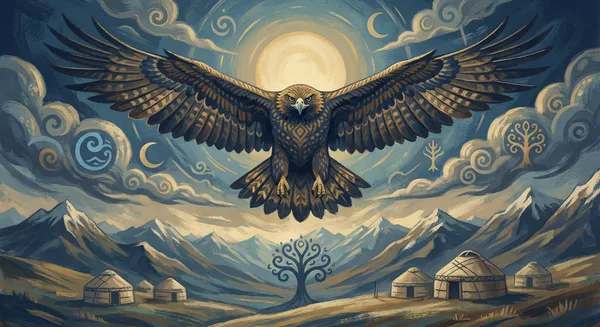
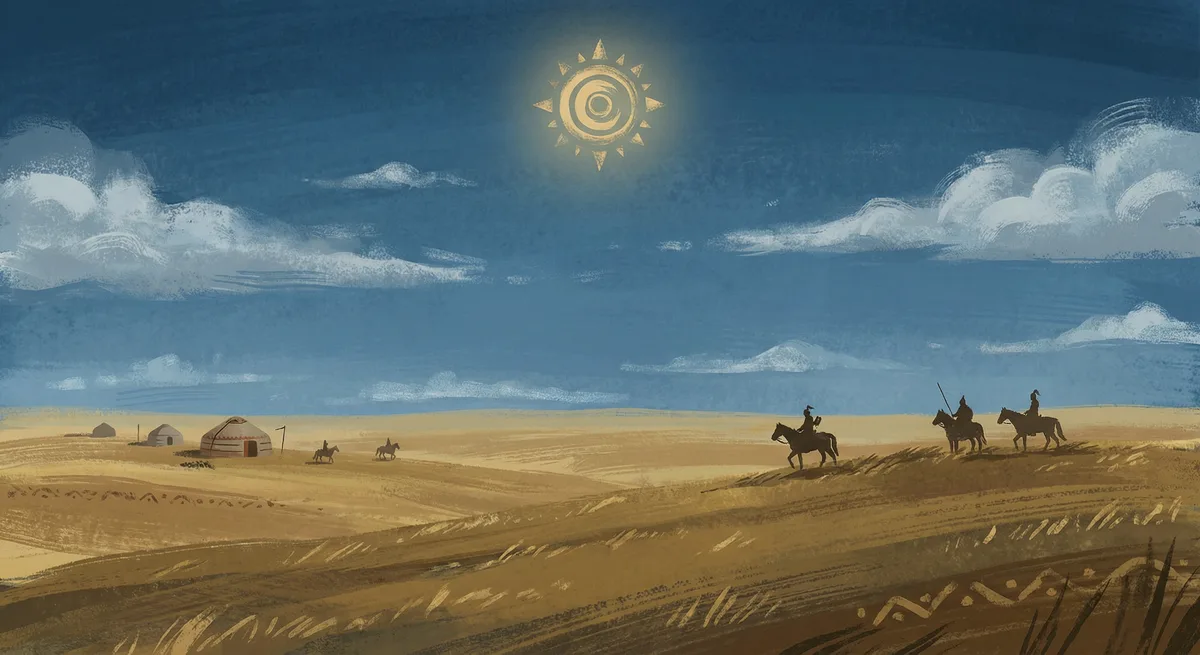
Tengri (Kök Tengri—Blue Heaven) is the supreme sky god—creator, omnipotent, and omnipresent. The Mongols under Genghis Khan invoked Tengri as the source of their mandate. Tengri is not anthropomorphic; the sky itself is the divine presence—vast, eternal, encompassing. Prayer is offered facing the sky. Success in battle, health, and fortune come from Tengri's will.

Vast blue sky over steppe — eternal, expansive
Eternal sky — image to be generated

Heaven & Earth

The three worlds

The cosmos has three realms: the upper world (heaven, Ülgen), the middle world (earth, where humans dwell), and the lower world (underworld, Erlik). Earth is feminine—Umai, the goddess of fertility—complementing the masculine sky. Spirits inhabit natural features: mountains, rivers, trees. Humans must maintain balance—honoring Tengri above, respecting the earth below, and living in harmony with the spirits of place.

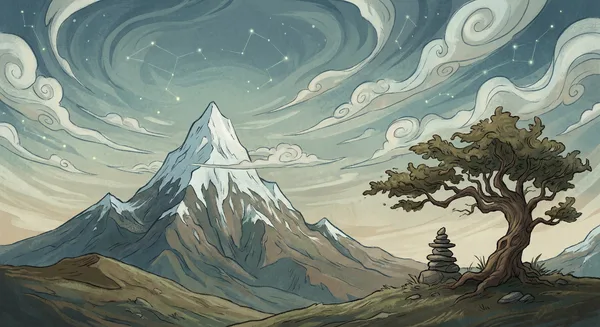
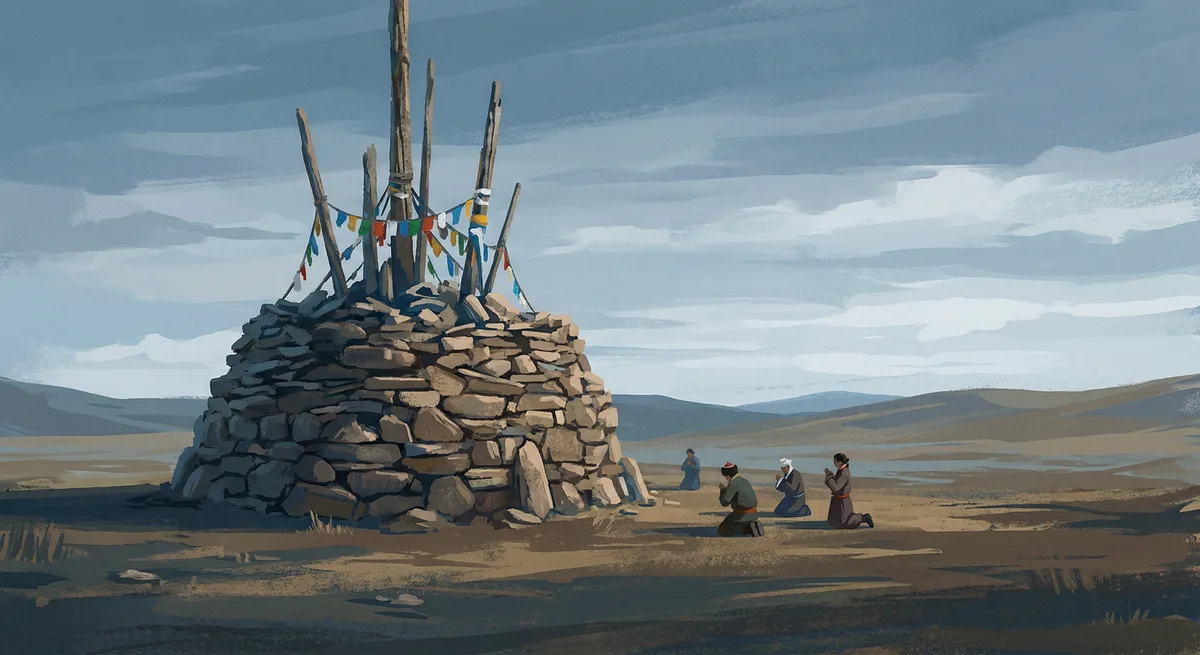
Oboo — cairn or shrine on the steppe, sky and stone
Oboo — image to be generated

The Shaman (Böö)

Mediator between worlds

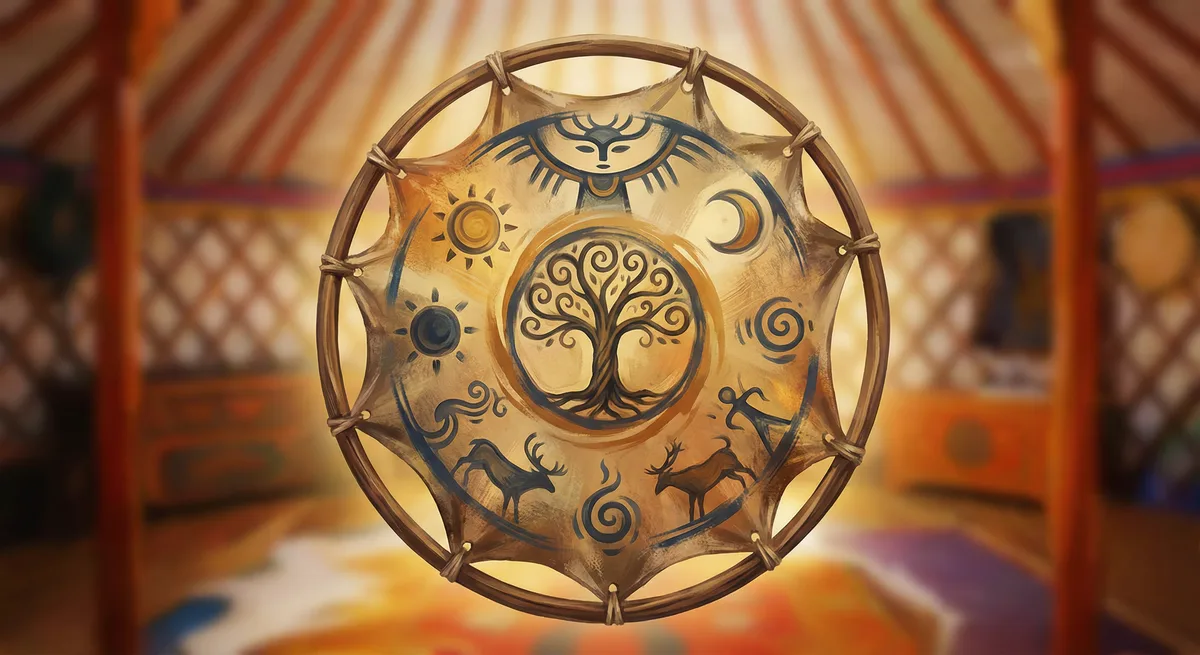
The shaman (böö in Mongol, kam in Turkic) travels between worlds—in trance, often with drum and costume—to heal, divine, and restore balance. Illness may come from offended spirits; the shaman negotiates. The shaman receives a calling—often through illness or vision—and is initiated by a master. Suppressed under Soviet rule, shamanic practice is reviving in parts of Mongolia, Siberia, and Central Asia.

Shaman's drum — hide, reverent
Shaman's drum — image to be generated

Nature & Balance

Living in relation to the land

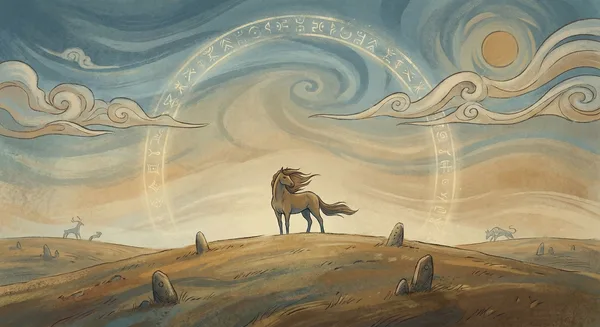
Tengriism is ecological at its core. The steppe, the mountains, the rivers—all are alive with spirit. Overhunting, pollution, or disrespect disrupts balance. Rituals at sacred sites (oboo, trees, springs) restore reciprocity. The horse is sacred; the eagle connects to Tengri. This sensibility—humans as part of nature, not its masters—resonates with global movements for ecological restoration.

The Steppes

A tradition of the open land

Tengriism emerged among nomadic peoples—the Xiongnu, Turks, Mongols. The endless steppe, the open sky, the mobility of pastoral life shaped the tradition. No fixed temples; the world itself is sacred. Today, Tengriism is practiced in Mongolia (where it coexists with Buddhism), parts of Russia (Siberia), and among some Turkic peoples. It is also reclaimed as cultural and spiritual heritage by those reconnecting with ancestral roots.