Black box track: This hub is public; core implementation and repo detail stay partner scoped. Research status (what ships, what is spec): Research status. Technical briefings under NDA: Partners.

Indigenous Traditions of the Americas

An Invitation to Learn

This page cannot do justice to the vast diversity of Indigenous spiritual traditions across North, Central, and South America. There are hundreds of distinct nations, languages, and ways of knowing. What follows is an invitation—a starting point—with the explicit hope that those within these traditions will correct, expand, or guide us. We present with humility and the recognition that we are learning.

What We Hold Sacred

Land, ancestors, and relationship

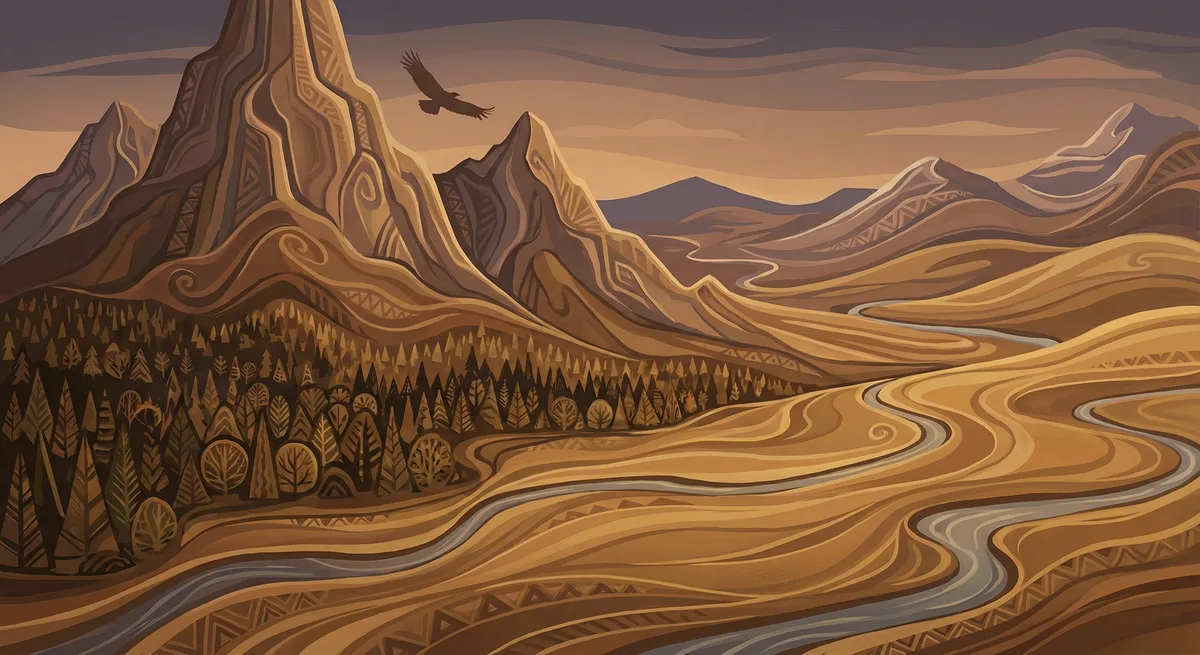
Indigenous traditions of the Americas hold sacred the land—not as property but as relative, teacher, and sustainer. The transcendent secret is reciprocity: we receive from the earth, and we must give back. The ancestors are not gone; they guide, they are honored, they are present in story and ritual. Each nation, each community, has its own teachings—the Haudenosaunee Thanksgiving Address, the Maya calendar and cosmology, the Inca relationship with Pachamama—and we honor that diversity. What Indigenous traditions hold most sacred is relationship: with the land, with water, with the animals and plants that give life, with the community, with the generations to come. Sacred is the recognition that we are part of a whole, that our actions have consequences, that balance must be maintained. These are not antiquated beliefs but living wisdom—tested by colonization, resilient, and essential for the flourishing of all.
A Note on Approach

Why this page is different

Indigenous traditions have been systematically suppressed, misrepresented, and appropriated for centuries. To present them in the same format as other traditions—without consultation, without voices from within—risks further harm. We include this page not to claim expertise but to honor presence: Indigenous traditions belong in any conversation about world religions. They have survived. They are being reclaimed. They matter.

If you are part of an Indigenous tradition and something here is wrong, reductive, or disrespectful—please reach out. Accuracy serves peace.

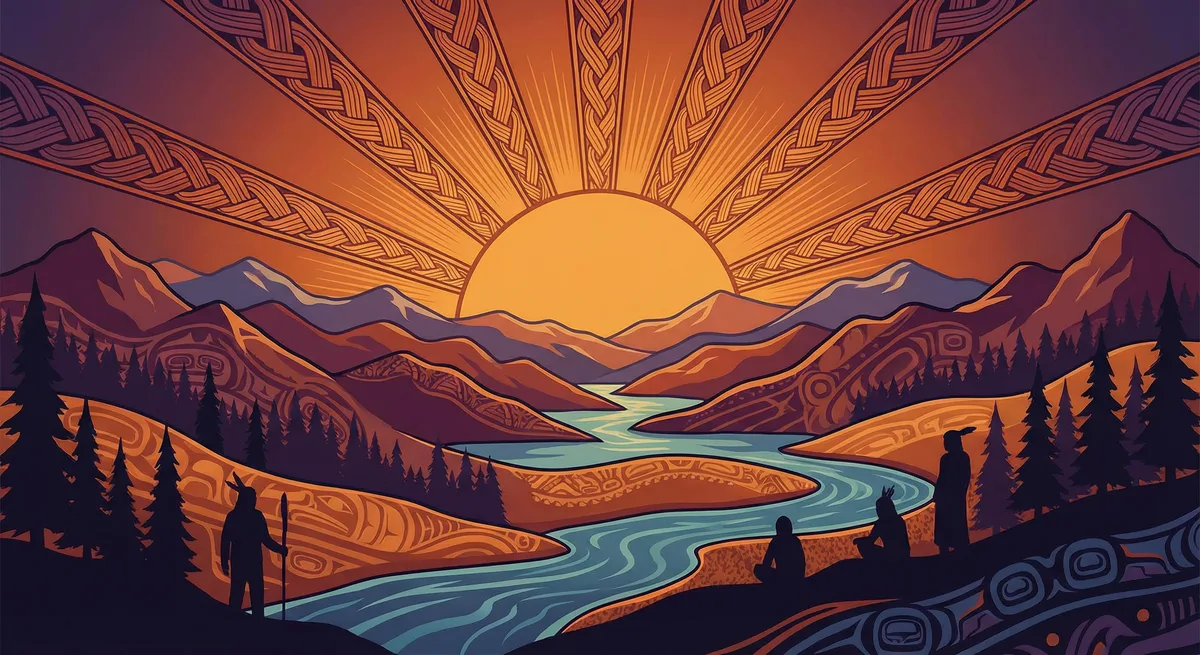
Landscape—mountains, forest, or plains—reverent, no human figures
Land — image to be generated

Diversity Beyond Summary

Hundreds of nations, thousands of years

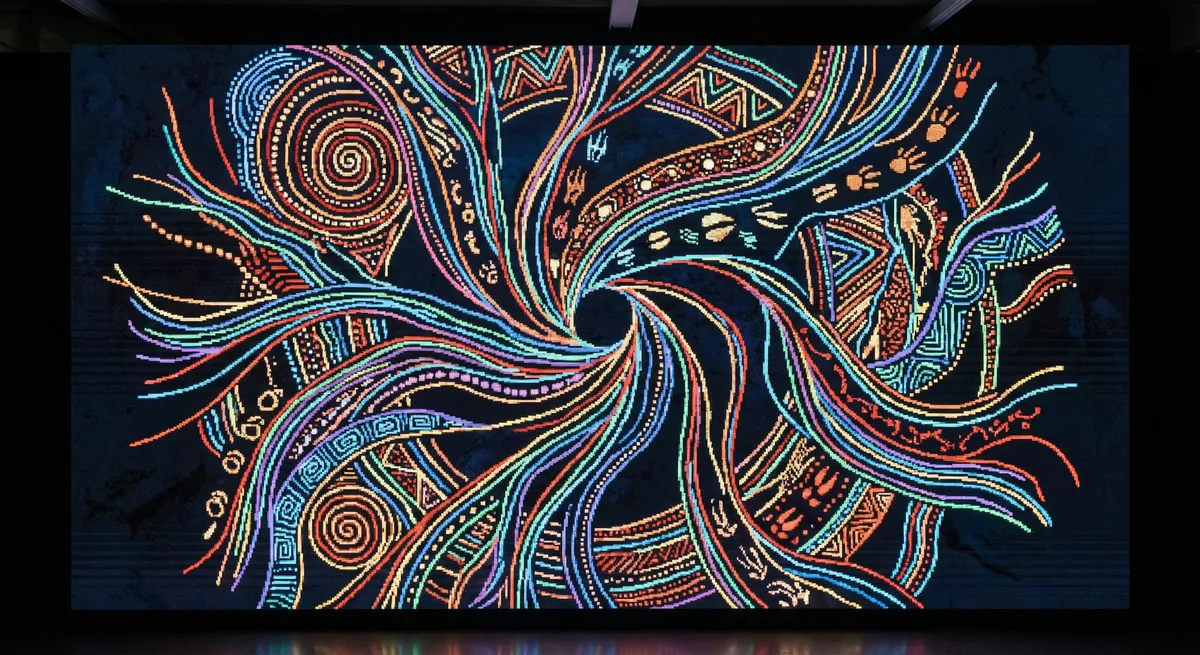
From the Inuit of the Arctic to the Mapuche of Chile, from the Navajo (Diné) to the Maya, from the Haida to the Quechua—Indigenous peoples of the Americas hold distinct cosmologies, creation stories, ceremonial practices, and relationships with the sacred. There is no single "Indigenous religion." There are many. To lump them together would erase the very diversity we aim to honor. This page gestures toward themes that scholars and communities have noted—with the caveat that each nation knows its own ways.

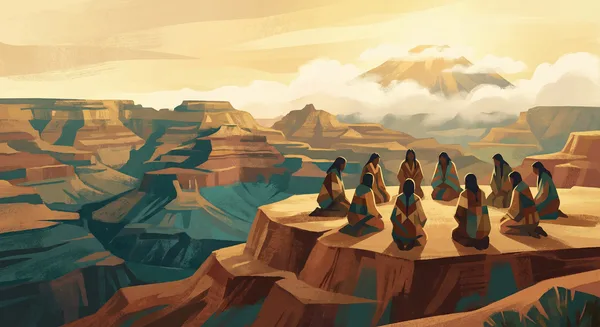
Abstract representation of diversity—many paths, one respect
Diversity — image to be generated

Recurring Themes (With Caution)

Not universal—but often noted

Scholars and community members have observed certain patterns, while stressing that no theme applies to all traditions:

Relationship with the land — The earth as sacred, as relative, as teacher. Place as inseparable from identity and ceremony.

Ancestors and the dead — Ongoing relationship with those who came before. Memory, honor, and the continuity of the people.

Ceremony and ritual — Practices tied to seasons, harvest, life cycles, and community need. Drum, dance, song, and prayer.

Oral tradition — Story as carrier of law, history, and meaning. Knowledge held in language and memory.

Reciprocity — Giving back. Gratitude. Balance with the natural world. "Take only what you need."

These are starting points, not definitions. Each tradition has its own depth.

Resilience & Reclamation

Survival despite everything

Colonialism sought to destroy Indigenous ways—through mission schools, bans on ceremony, displacement, and violence. Traditions were driven underground, adapted, or lost. Yet they endured. Today, many communities are reclaiming language, reviving ceremonies, and asserting sovereignty. Including Indigenous traditions here is to recognize that survival—and to stand with the principle that every people's way of knowing the sacred deserves respect.

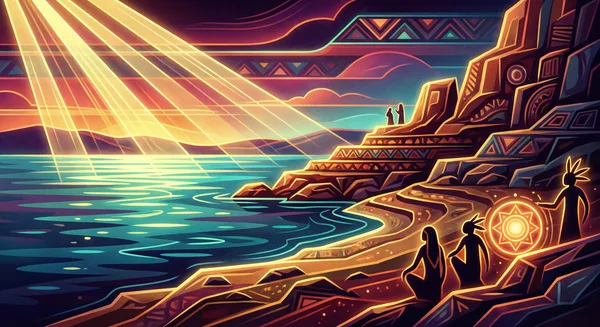
Dawn over land—hope, renewal, reverence
Dawn — image to be generated

An Invitation

To learn, to correct, to expand

This page will evolve. We welcome guidance from Indigenous scholars, elders, and community members. If your tradition should be presented in more depth—or if this framing misses the mark—we want to hear. The goal of this project is peace through respect. Respect requires getting it right.

In the meantime: seek out voices from within. Read what Indigenous authors and communities have written. Support Indigenous-led initiatives. Listen.