Black box track: This hub is public; core implementation and repo detail stay partner scoped. Research status (what ships, what is spec): Research status. Technical briefings under NDA: Partners.

Shinto

The Way of the Kami

Shinto—"the way of the kami"—is Japan's indigenous tradition. Kami are divine spirits: the forces of nature, ancestors, and the sacred presence in mountains, rivers, trees, and stones. Shinto has no founder, no single scripture, no fixed creed. It is a way of living in relationship with the sacred—through ritual, purification, and reverence for the natural world. Many Japanese practice both Shinto and Buddhism, each addressing different dimensions of life.

What We Hold Sacred

The Kojiki & the kami — The way of the sacred

Shinto holds sacred the kami—the myriad spirits that animate the world. Not a single deity but countless presences: in the mountain, the waterfall, the ancient tree, the ancestor. The Kojiki and Nihon Shoki record the myths of creation—Izanagi and Izanami, Amaterasu the sun goddess, the birth of the Japanese islands. The transcendent secret of Shinto is that the world is alive with the sacred. Purity and impurity matter—hence the torii gate, the washing of hands, the cleansing of the heart. What Shinto holds most sacred is musubi—the connective force that binds all things, the creative energy of the cosmos. The shrine is not a building to worship in so much as a dwelling place for the kami, a node where the human and the divine meet. Sacred is nature—unchanged and revered—the continuity of tradition, and gratitude for the blessings of life. Shinto has no single founder, no fixed creed; it is the indigenous way of Japan, the path of reverence for what is.
Kami

The divine presence in all things

Kami are not gods in the Western sense but sacred presences—numinous, awe-inspiring. They inhabit the natural world: the sun (Amaterasu), the wind, a great tree, a waterfall. They include ancestors and exceptional humans. Kami are not transcendent above the world but immanent within it. The world is full of kami; the task is to recognize and honor them.

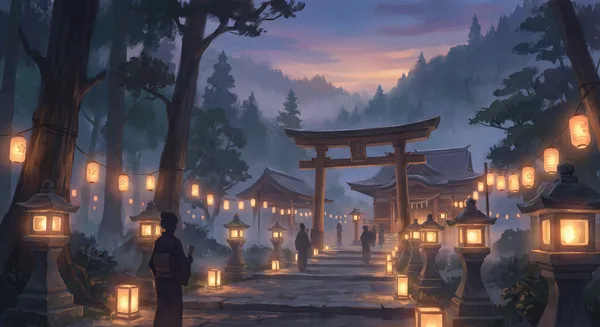
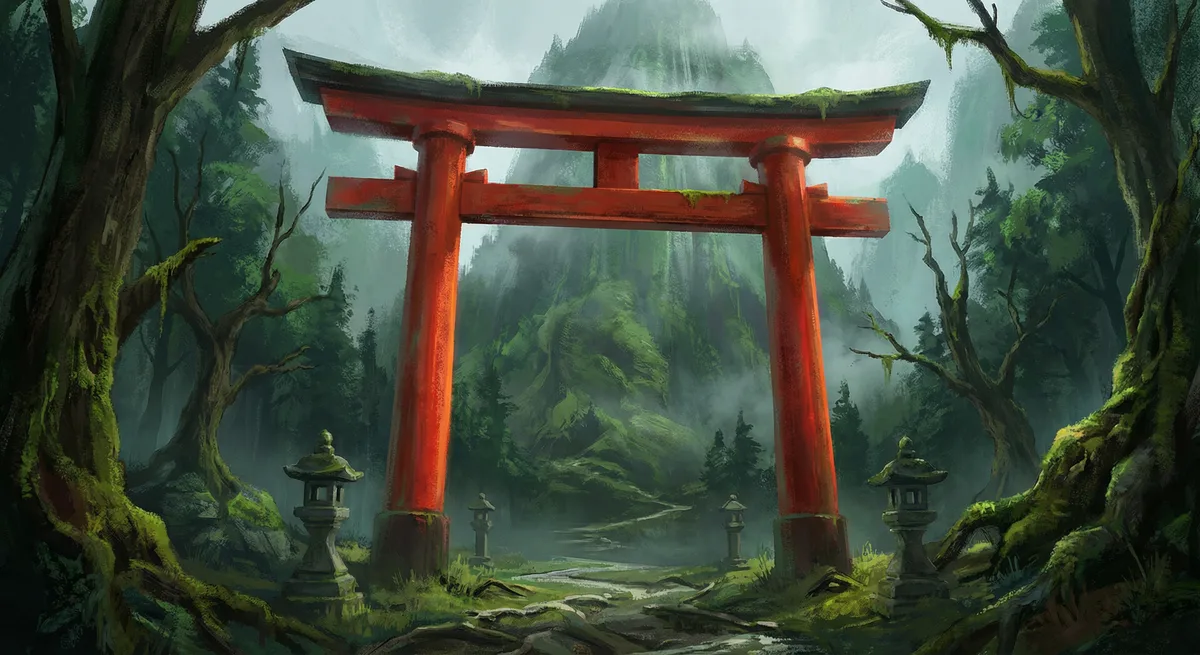
Torii gate before mountain — red against forest green, sacred threshold
Torii — image to be generated

Purity & Impurity

Kegare and harai

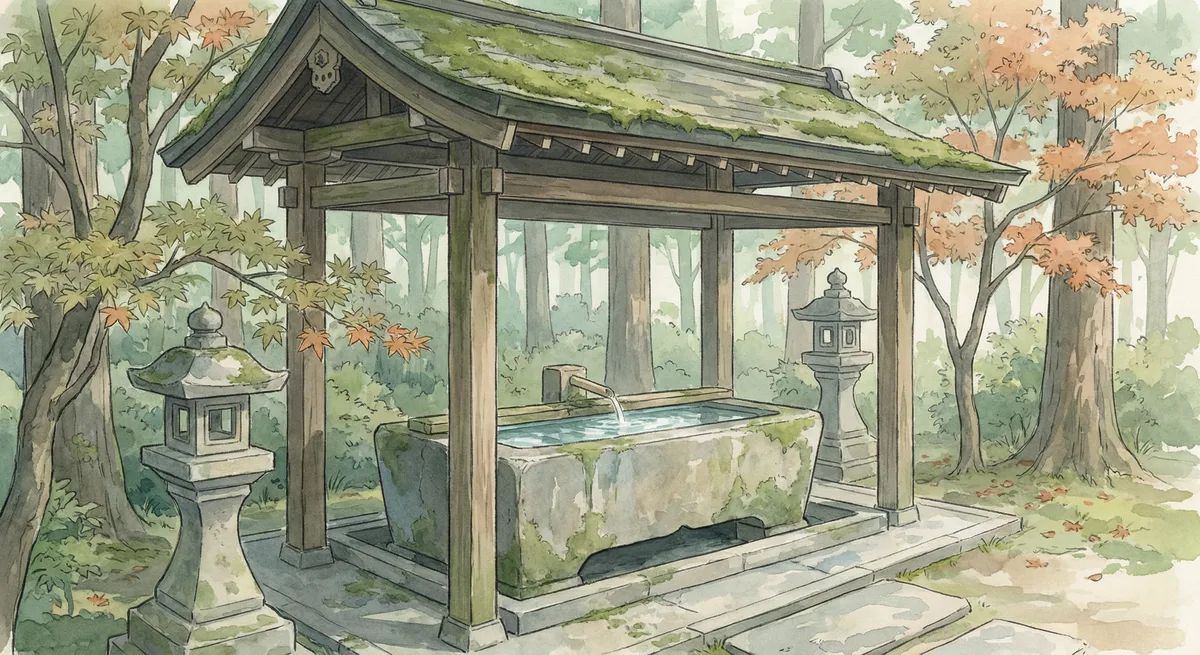
Shinto emphasizes ritual purity (harae). Pollution (kegare) comes from death, illness, and certain natural processes—not moral sin but defilement. Purification (harai) restores connection to the kami. Worshipers rinse hands and mouth at the chozuya before approaching the shrine. The priest waves the haraigushi (purification wand) to cleanse. Purity makes one fit to stand before the kami.

Water basin for ritual purification — stone, serene
Chozuya — image to be generated

The Shrine (Jinja)

Sacred space in the world

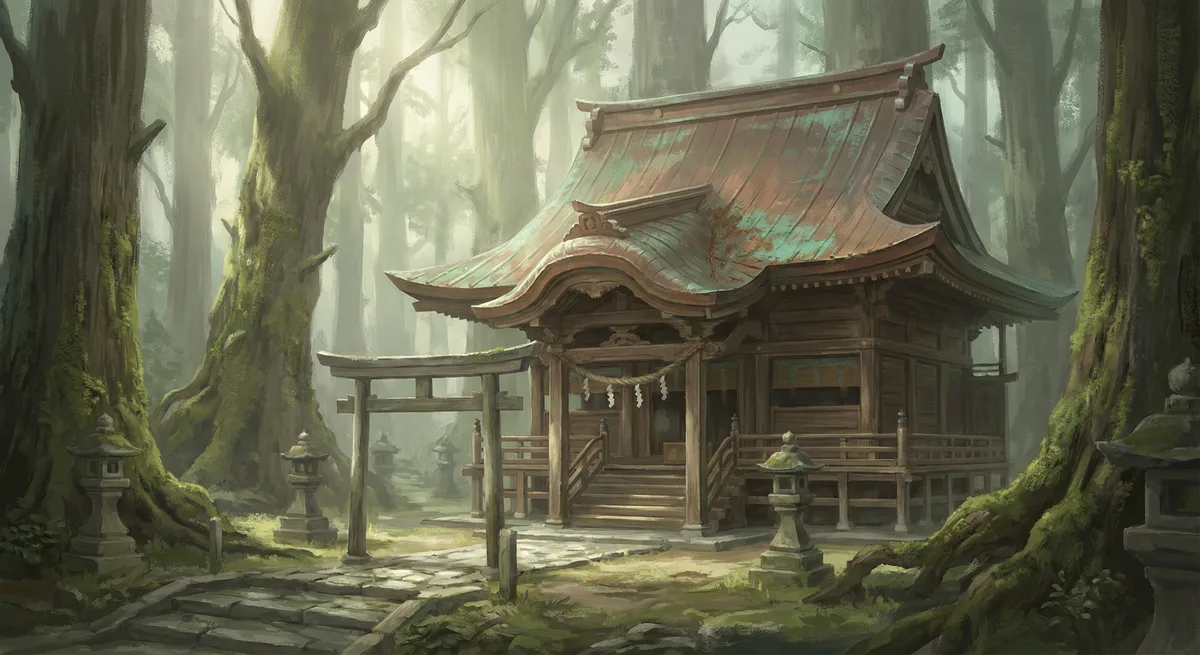
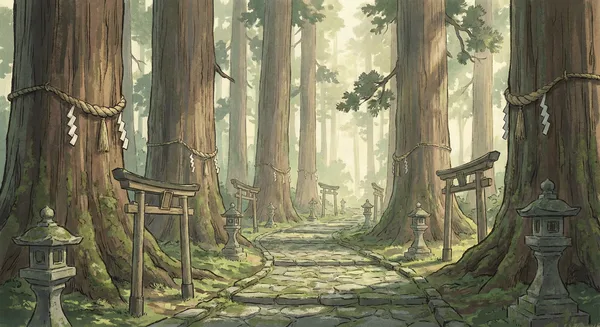
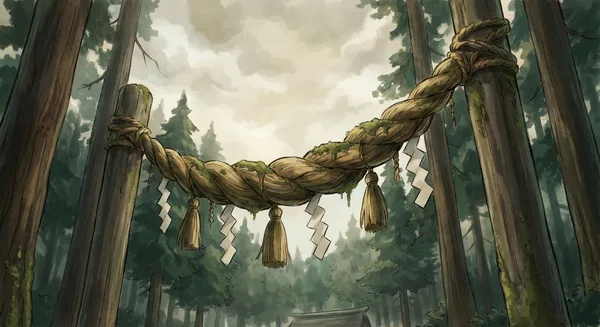
Shinto shrines (jinja) are dwellings for kami. The torii marks the boundary between ordinary and sacred space. The main hall (honden) houses the kami's symbol; worshipers pray from the worship hall (haiden). Shimenawa—sacred rope—and shide (paper streamers) mark what is set apart. Major shrines (Ise, Izumo, Itsukushima) draw pilgrims; local shrines serve the neighborhood.

Shinto shrine — wood, thatch or copper roof, serene forest setting
Shrine — image to be generated

Nature as Sacred

The world is alive with kami

Mountains, especially, are revered—Fuji, Ontake, countless others. Festivals (matsuri) celebrate the seasons: cherry blossom viewing, rice planting, harvest. Nature is not a resource to exploit but a communion of kami. Shinto ecology—though the term is modern—reflects an ancient sensibility: humans belong within nature, not over against it.

Practice

Ritual, festival, and daily reverence

Worship involves approach (sampai), offering, prayer (norito), and withdrawal. Worshipers bow twice, clap twice, bow once—a pattern of greeting and respect. Ema (votive tablets) carry written wishes. Omamori (amulets) offer protection. Life-cycle rites—birth, coming-of-age (shichi-go-san), marriage—often take place at shrines. The New Year (hatsumode) brings millions to shrines for the first visit of the year.