Black box track: This hub is public; core implementation and repo detail stay partner scoped. Research status (what ships, what is spec): Research status. Technical briefings under NDA: Partners.

Taoism

The Way

Taoism (Daoism) centers on the Tao—the Way, the underlying pattern of the universe. The Tao Te Ching, attributed to Lao Tzu, teaches wu wei (effortless action), simplicity, and harmony with nature. Taoism embraces paradox: the soft overcomes the hard, water wears away stone. It is both philosophy and practice—meditation, qigong, and living in accord with the flow of things.

What We Hold Sacred

The Tao Te Ching — The Way that cannot be spoken

Taoists hold sacred the Tao—the Way—that cannot be fully named or described. "The Tao that can be spoken is not the eternal Tao." The Tao Te Ching and the Zhuangzi are the primary texts, but they point beyond themselves to the ineffable. The transcendent secret of Taoism is wu wei—effortless action, alignment with the natural flow. Water, which yields to everything yet wears away stone, is the great metaphor. Yin and yang—complementary opposites, neither without the other. What Taoists hold most sacred is harmony: with nature, with the cosmos, with the rhythms of life and death. The sage does not force; the sage follows. Sacred is spontaneity, simplicity, the uncarved block. The Tao is not a god to worship but a presence to sense—in the mountain, the stream, the breath. To walk the Way is to become like water: soft, adaptable, finding the lowest place, yet ultimately unstoppable.
The Tao

The Way that cannot be named

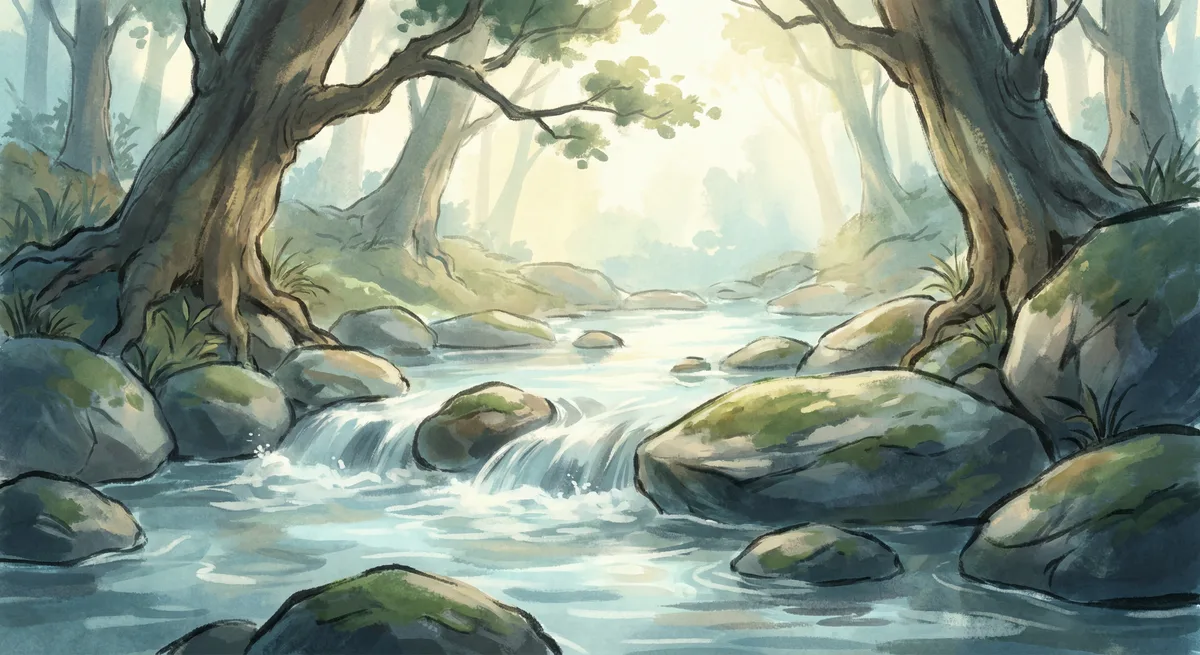
"The Tao that can be spoken is not the eternal Tao." The Tao is the source of all, the rhythm of the cosmos, the natural order. It is not a god but the underlying reality—immanent, flowing, ever-changing yet constant. To align with the Tao is to flourish; to resist is to suffer.

Flowing water over stones — the way of the Tao, serene
Flowing water — image to be generated

Tao Te Ching

The classic of the Way and its power

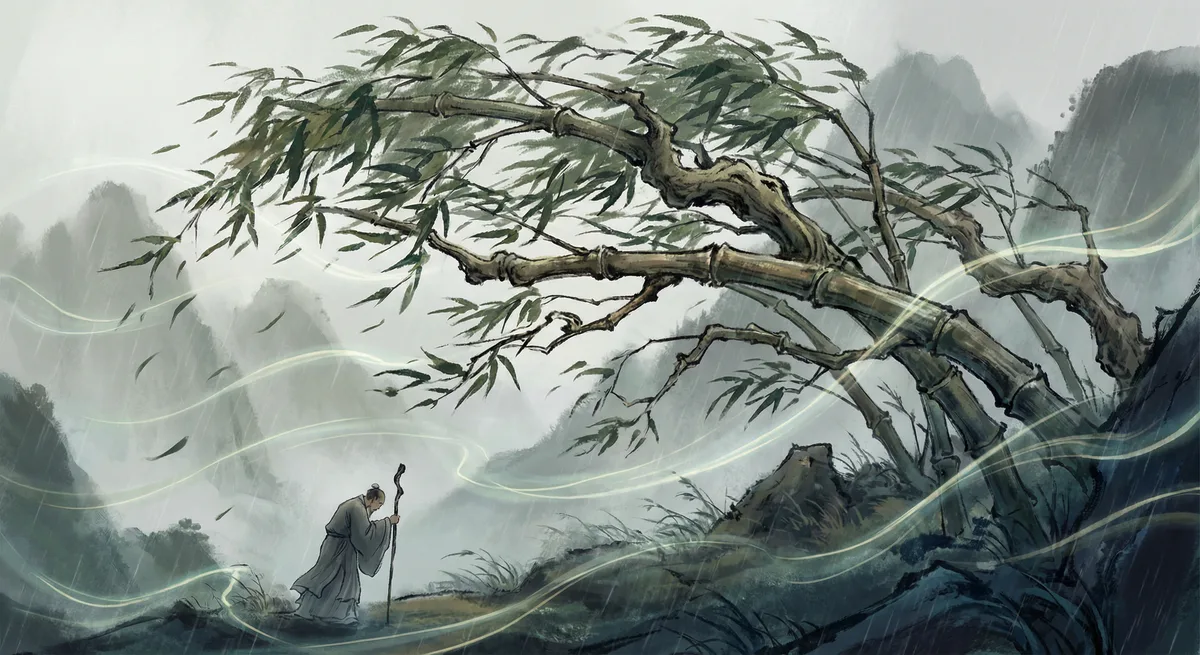
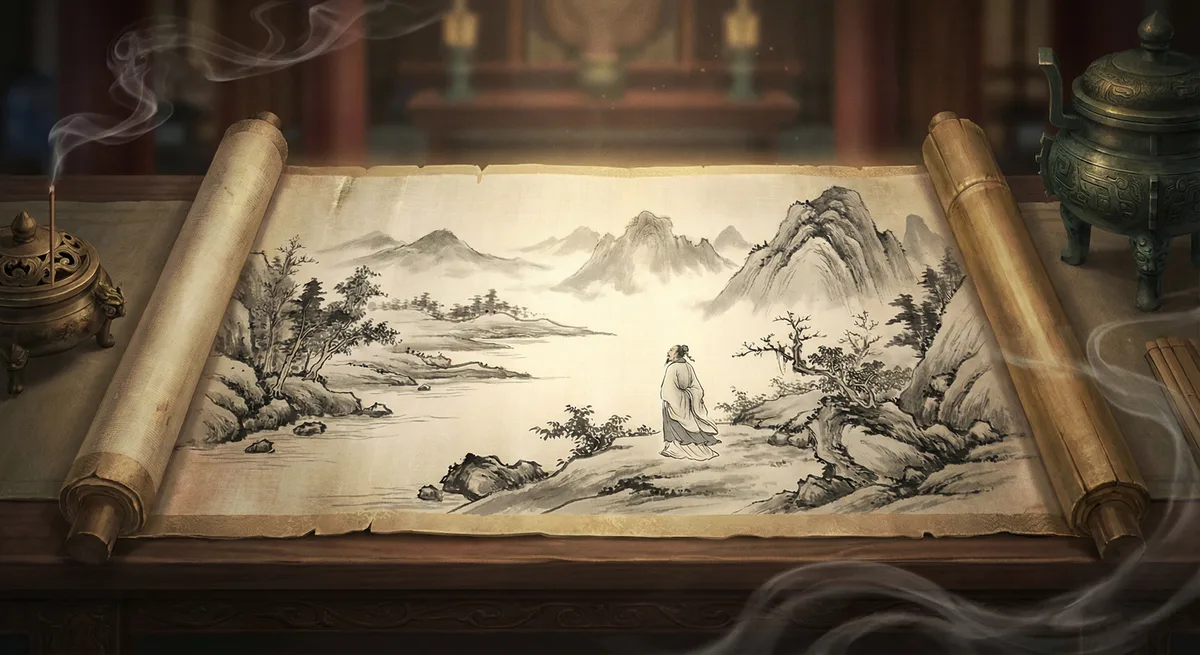
Attributed to Lao Tzu (6th century BCE?), the Tao Te Ching is 81 short chapters of poetic wisdom. It teaches simplicity, humility, and the paradox that yielding often prevails. "A tree that cannot bend will crack in the wind." The text has influenced philosophy, art, and governance across East Asia and beyond.

Ancient scroll or book — Tao Te Ching, reverent
Tao Te Ching — image to be generated

Wu Wei — Effortless Action

Act without forcing

Wu wei means "non-doing" or "effortless action"—not passivity but action that flows with the grain of reality. Like water finding its course, the sage acts without strain. Forcing creates friction; yielding accomplishes. This principle shapes Taoist ethics, governance, and daily life.

Bamboo bending in wind — flexibility, resilience
Bamboo — image to be generated

Yin & Yang

Balance and complementarity

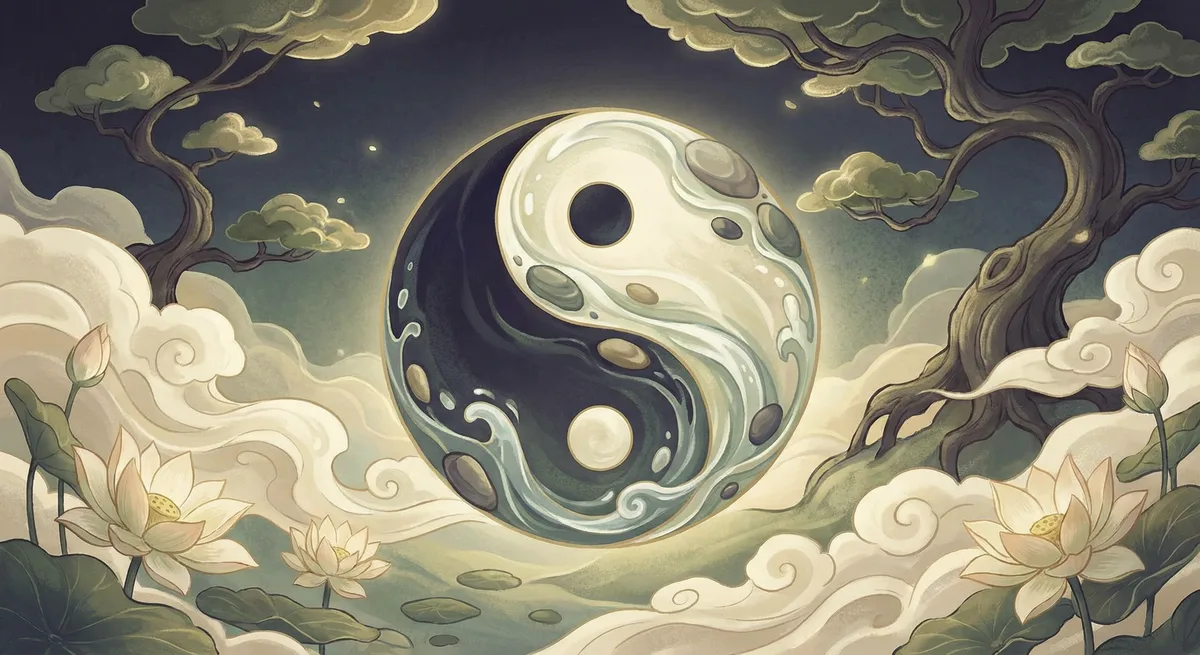
Yin (dark, receptive, feminine, earth) and Yang (light, active, masculine, heaven) are complementary forces. Neither exists alone; each contains a seed of the other. Balance—not triumph of one over the other—is the ideal. The taijitu symbol (yin-yang circle) depicts this dynamic unity.

Yin-yang symbol — taijitu, balanced, serene
Yin and Yang — image to be generated

Harmony with Nature

The sage follows the earth

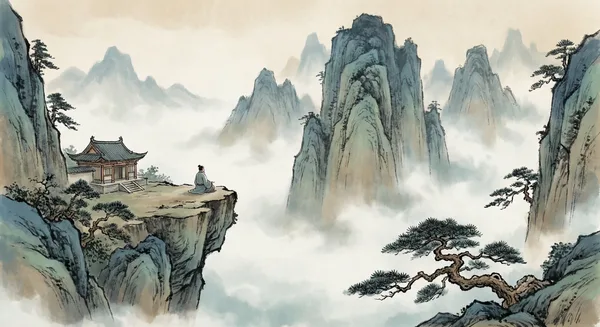
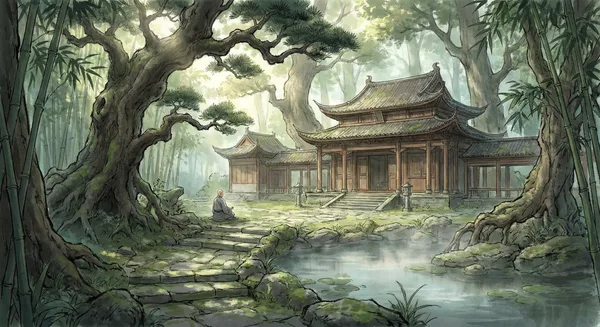
Taoism teaches alignment with the natural world. Mountains, rivers, forests—the uncarved block (pu) represents the simplicity before human artifice. Taoist temples are often built in natural settings. Feng shui applies these principles to placement and flow. Humanity is part of nature, not its master.