Black box track: This hub is public; core implementation and repo detail stay partner scoped. Research status (what ships, what is spec): Research status. Technical briefings under NDA: Partners.

Samaritan Tradition

Ancient Israelite Lineage

The Samaritans (Shomronim) are one of the world's smallest religious communities—fewer than a thousand today—and among the oldest. They trace their lineage to the northern kingdom of Israel, before the Assyrian exile. They hold the Samaritan Pentateuch as their scripture, revere Mount Gerizim (not Jerusalem) as the chosen place of worship, and have maintained their identity, priesthood, and practices through millennia of conquest, persecution, and marginalization. To include them is to say: even the smallest community belongs.

What We Hold Sacred

The Samaritan Pentateuch — Torah at Mount Gerizim

The Samaritans hold sacred the Torah—their own version, the Samaritan Pentateuch—and the mountain where Moses directed the blessing: Gerizim. For over three millennia they have kept the way, a people small in number but immense in fidelity. The transcendent secret of Samaritan tradition is that they never left. When others went to Jerusalem, they remained at Shechem, at the foot of the holy mountain. Their Torah differs in small but significant ways from the Jewish Masoretic text; their temple was on Gerizim, not Zion. What they hold sacred is continuity—the unbroken chain of priests, the ancient script, the Passover sacrifice still offered on the mountain. Sacred is the covenant with the one God, the same God of Abraham, and the conviction that they stand where Moses stood, where the blessing was spoken, where the divine presence dwells.
The People

Shomronim—keepers of the ancient way

Samaritans consider themselves the true inheritors of ancient Israel—descendants of the tribes of Ephraim and Manasseh who remained in the land. They split from what became Judaism after the return from Babylonian exile, when the Jerusalem-centered community rejected Samaritan claims. The Samaritans have lived primarily in the region of Samaria (Nablus/Shechem) and, since the mid-20th century, partly in Holon, Israel. They maintain strict endogamy. Their survival—through Roman rule, Byzantium, Islam, Crusades, and modern conflict—is a testament to resilience.

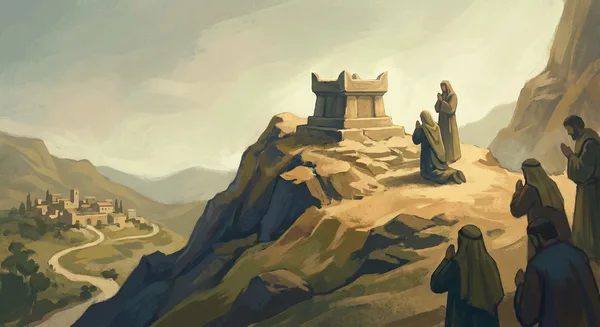
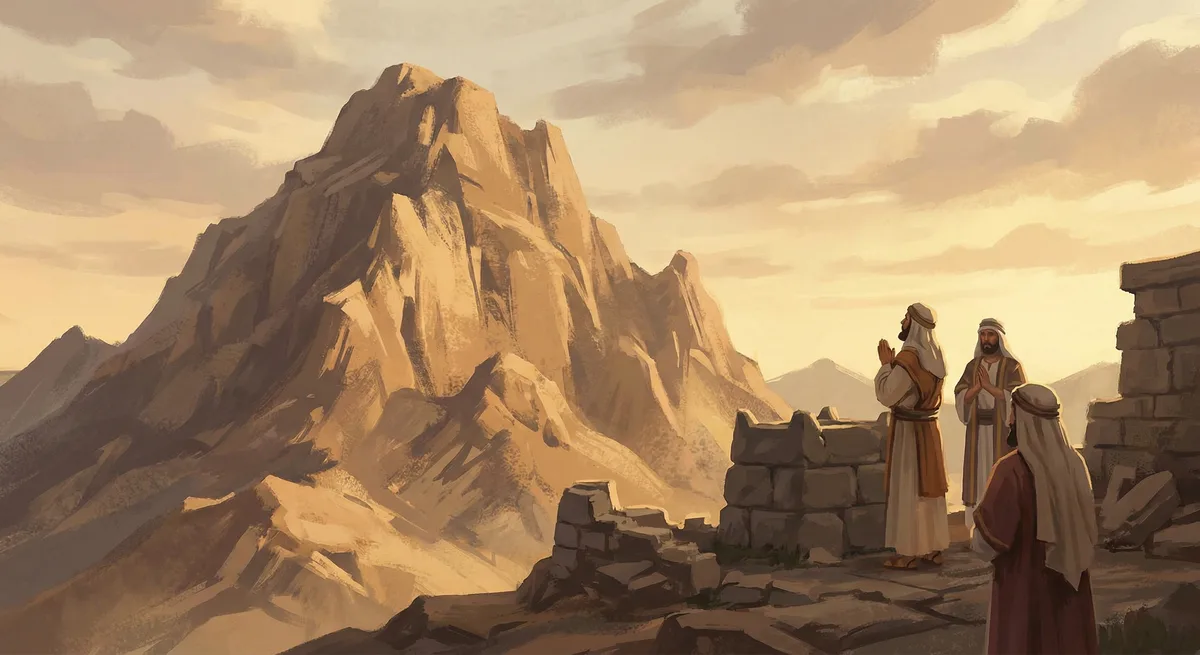
Mount Gerizim — the sacred mountain, reverent
Mount Gerizim — image to be generated

The Samaritan Pentateuch

The five books—their version

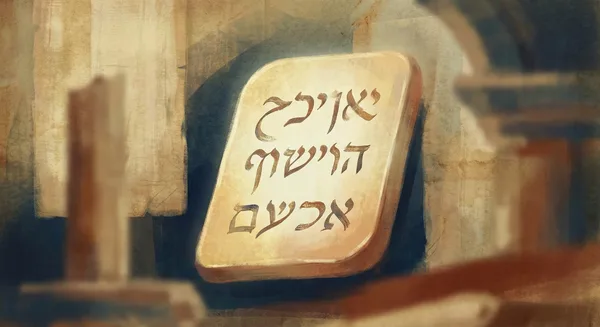
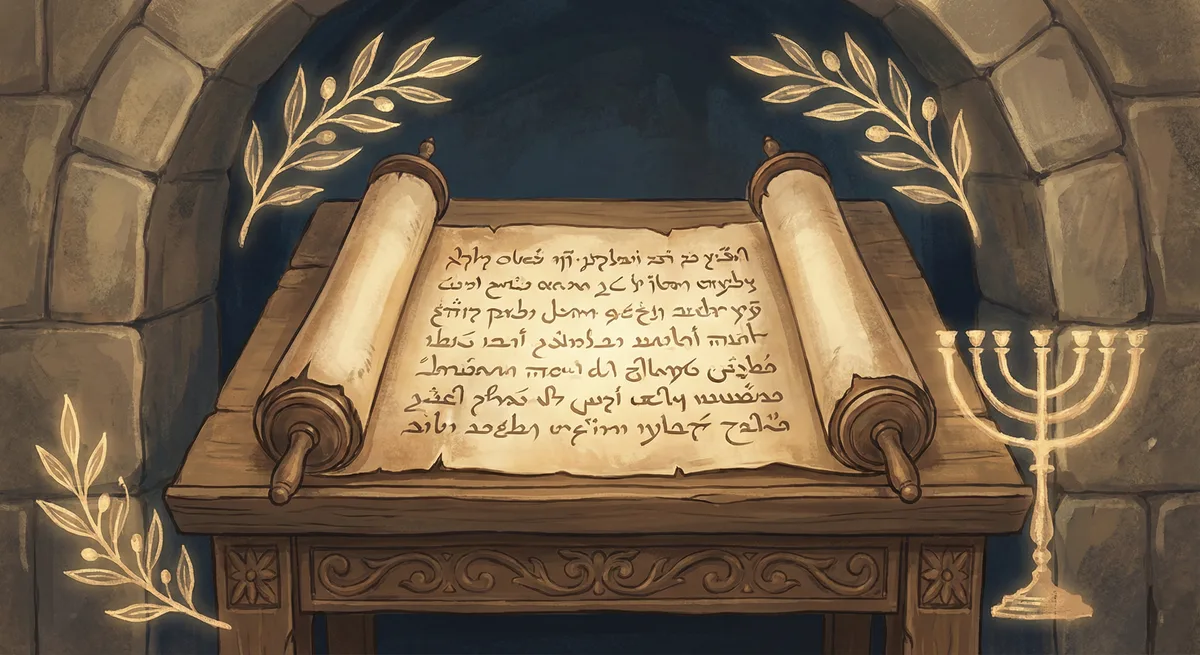
The Samaritans accept only the Torah (Pentateuch)—Genesis, Exodus, Leviticus, Numbers, Deuteronomy—as scripture. Their version, the Samaritan Pentateuch, differs in some readings from the Masoretic text used by Jews. Most notably, the commandment to build an altar includes "Mount Gerizim" as the place God will choose—whereas the Jewish text reads "the place the Lord your God will choose" (traditionally interpreted as Jerusalem). The Samaritan script is a variant of the ancient Hebrew alphabet. The Torah is copied by hand with exacting care.

Samaritan Torah scroll — ancient script, reverent
Samaritan Torah — image to be generated

Mount Gerizim

The chosen place

For Samaritans, Mount Gerizim—near Nablus in the West Bank—is the site God chose for the temple. It is the "place of blessing" (Deuteronomy 11:29, 27:12). Pilgrimages to Gerizim mark the festivals: Passover (with the sacrificial lamb), Shavuot, Sukkot. The Samaritans have worshiped there for over two millennia. The mountain is central to their identity—the axis of their sacred geography.

Priesthood & Practice

The Levitical line continues

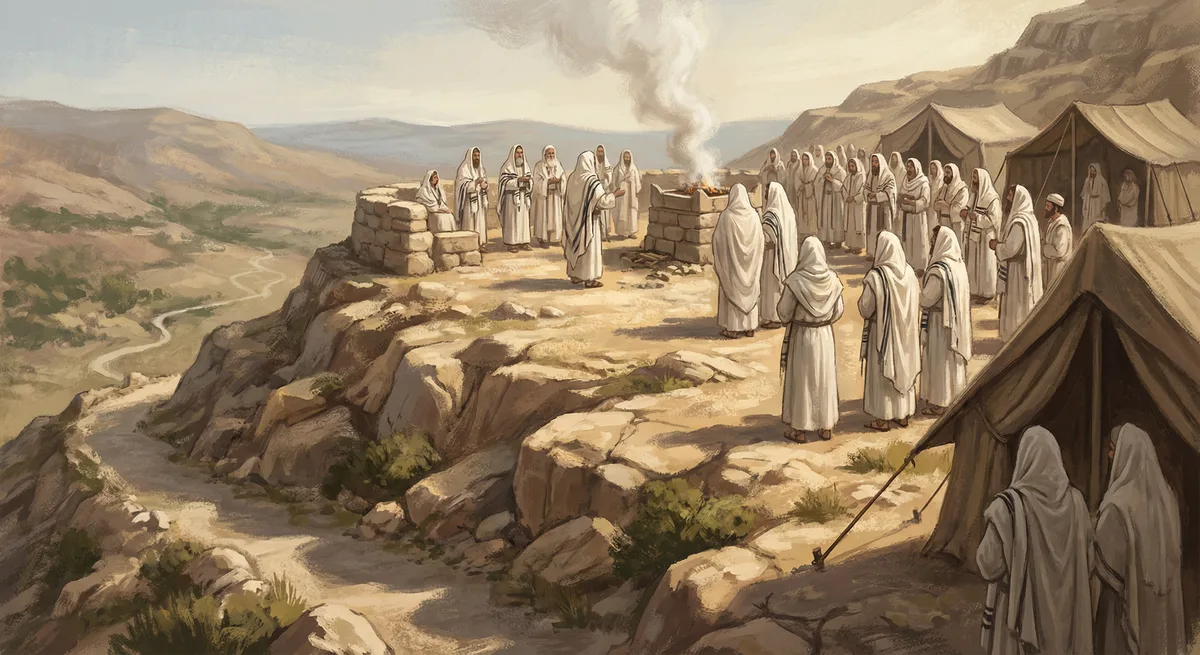
The Samaritan priesthood traces descent from Levi through Aaron. The high priest leads the community in ritual. Observances include the Sabbath, dietary laws, circumcision, and the festivals. Passover on Gerizim—when the community sacrifices lambs in the ancient manner—draws global attention as one of the oldest continuing rituals in the world. Daily life is governed by the commandments as the Samaritans understand them.

Passover on Gerizim — communal, ancient rite
Passover — image to be generated

Survival

A people who endured

At their lowest, the Samaritans numbered perhaps 150. Today they are roughly 800—still small, but growing. They have bridged Israeli and Palestinian communities, holding Israeli citizenship while living partly in the West Bank. Their inclusion here honors not only their antiquity but their perseverance. World peace means no community is too small to matter.