Black box track: This hub is public; core implementation and repo detail stay partner scoped. Research status (what ships, what is spec): Research status. Technical briefings under NDA: Partners.

Rastafari

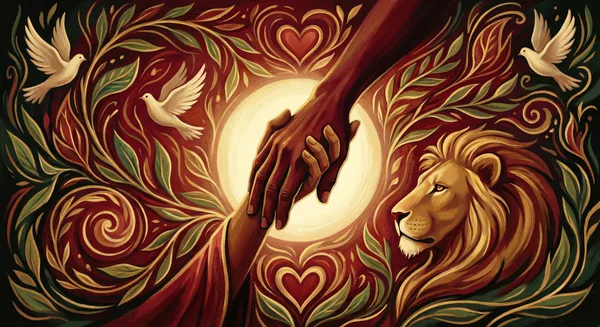
One Love, One Heart

Rastafari emerged in Jamaica in the 1930s from the teachings of Marcus Garvey and the coronation of Haile Selassie I as Emperor of Ethiopia. Rastas (Rastafarians) recognize Selassie as the living God (Jah)—the fulfillment of biblical prophecy and the hope of African redemption. Babylon is the oppressive system; Zion is Africa, Ethiopia, freedom. Rastafari is a spirituality of liberation, repatriation, natural living (livity), and One Love—a message that has spread globally through reggae and the example of Rastas worldwide.

What We Hold Sacred

Haile Selassie & Zion — The Lion of Judah, One Love

Rastafari holds sacred Haile Selassie I—Emperor of Ethiopia, the Lion of Judah, seen as the fulfillment of prophecy and the living God. The Bible, especially the Hebrew Scriptures and Revelation, is read through a Rastafari lens: Ethiopia as Zion, Africa as the promised land, repatriation as return. The transcendent secret of Rastafari is One Love—the recognition that all people are one under Jah, bound to uplift each other, to resist Babylon (oppression), and to live in livity (natural, righteous life). Sacred is the wisdom of the elders, the dreadlocks as covenant, the Ital diet, the ganja as sacrament of meditation. What Rastafari holds most sacred is liberation—from mental slavery, from colonialism, from the systems that deny the dignity of the African. "Until the philosophy which holds one race superior is finally abandoned, everywhere is war." Peace, justice, and the return to Zion: these are the sacred aims.
Haile Selassie I — Jah Rastafari

The King of Kings, Lord of Lords

Haile Selassie (1892–1975) was crowned Emperor of Ethiopia in 1930. For Rastas, his coronation fulfilled prophecy—Psalm 68:31 ("Princes shall come out of Egypt; Ethiopia shall soon stretch out her hands unto God") and Revelation's King of Kings. Rastas honor him as Jah, the living God—consubstantial with the divine. Selassie himself affirmed the Ethiopian Orthodox faith and did not claim divinity; Rastas interpret his humility as confirmation. His 1966 visit to Jamaica drew tens of thousands in reverence.

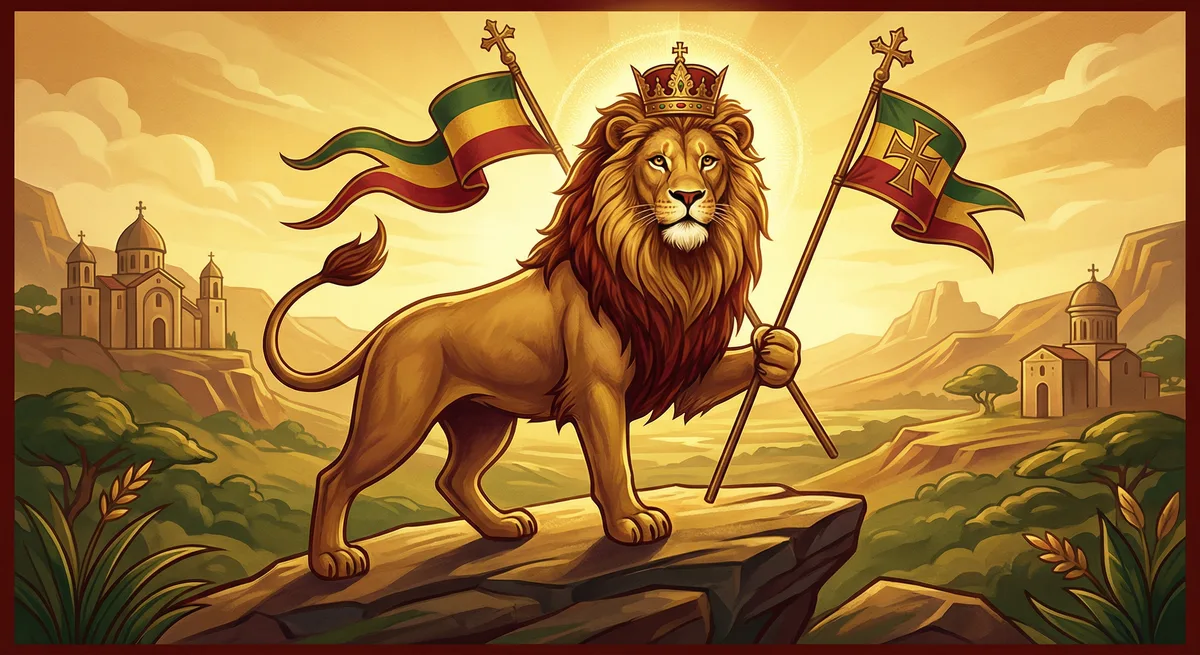
Lion of Judah—symbol of Ethiopia and Rastafari
Lion of Judah — image to be generated

Zion & Babylon

The geography of liberation

Babylon is the oppressive system—colonialism, slavery, capitalism, the police state. It is exile, alienation, confusion. Zion is the promised land—Ethiopia, Africa, freedom, home. Rastas "chant down Babylon"—resist, critique, refuse complicity. Repatriation to Africa (physical or spiritual) is the goal. The dichotomy is not literal geography alone but a way of naming good and evil, liberation and bondage.

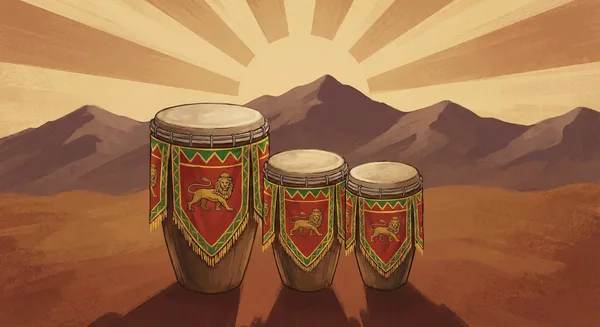
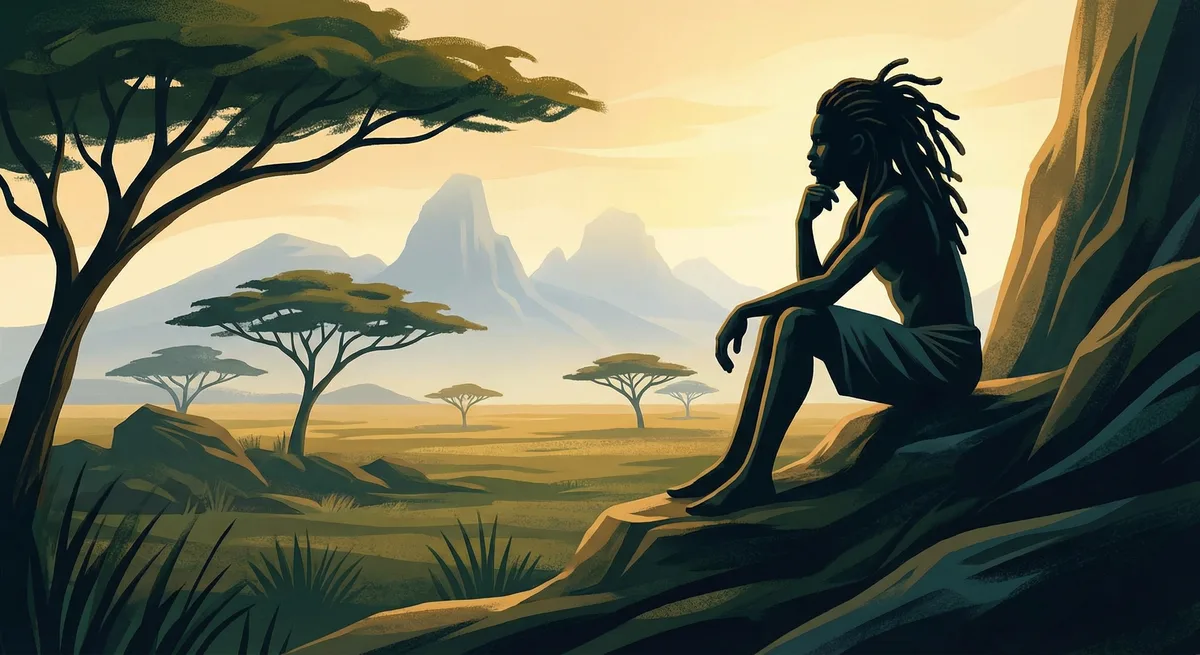
Mountain or African landscape—Zion, hope
Zion — image to be generated

Repatriation

Back to Africa

Rastas believe Africans in the diaspora were exiled by slavery and must return. Ethiopia—as the oldest independent African nation, home of the Solomonic dynasty—holds special significance. Some Rastas have moved to Ethiopia (notably the Shashemane community, land granted by Selassie). Repatriation is also spiritual: reconnecting with African identity, rejecting the lie that black is inferior.

Livity — Natural Living

Ital food, the body, the earth

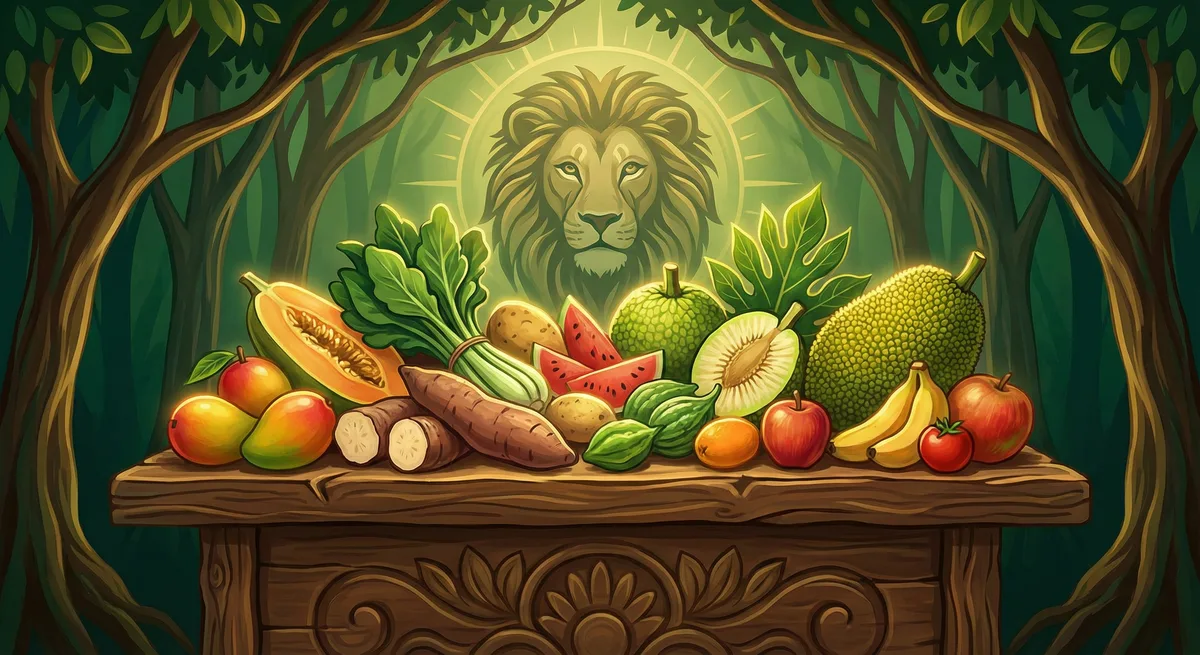
Livity is living in harmony with nature and the divine. Ital food—natural, often vegetarian or vegan, no salt or additives—honors the body as temple. Dreadlocks (allowed to grow naturally) signify the Nazirite vow and defiance of Babylon's standards. Ganja (cannabis) is sacramental—used in reasoning (communal discussion) and meditation. The earth is sacred; exploitation violates livity.

Natural food—fruits, vegetables, ital
Ital — image to be generated

Community & Reasoning

Grounded in One Love

Rastafari has no central church; mansions (Mansions of Rastafari) like the Nyabinghi, Bobo Ashanti, and Twelve Tribes offer different emphases. Reasoning is communal—gathering to discuss scripture, history, and life. The Nyabinghi drumming ceremony (binghi) marks holy days. "One Love"—from Bob Marley and the Rasta tradition—captures the ethic: unity, respect, the recognition that we are all one under Jah.