Black box track: This hub is public; core implementation and repo detail stay partner scoped. Research status (what ships, what is spec): Research status. Technical briefings under NDA: Partners.

Judaism

The Covenant & the Law

Judaism is the tradition of the Jewish people—a covenant between God and Israel established at Sinai. The Torah—instruction, law, and story—lies at the heart. Through Torah, halakha (Jewish law), and a living tradition of interpretation, Jews have sustained identity, community, and practice across millennia. One God, one people, a shared destiny.

What We Hold Sacred

The Torah — The covenant written on the heart

At Sinai, the people heard the voice and received the law. The Torah—the Five Books of Moses—is the heart of what Judaism holds sacred. Not only the written text but the living tradition of interpretation: the Talmud, the midrash, the centuries of commentary that make the word breathe. Shema Yisrael—Hear, O Israel: the Lord our God, the Lord is One. The Torah is both instruction and love letter—the terms of a covenant between the Holy One and a people chosen not to dominate but to witness. Every letter matters. Every syllable carries weight. Jews study Torah all their lives; it is never finished. The transcendent secret of Judaism is this: the infinite God contracts into language so that humanity might hear, obey, argue, and draw near. The Torah is the bridge between heaven and earth, the path of holiness in everyday life.
The Covenant

Brit—the bond between God and Israel

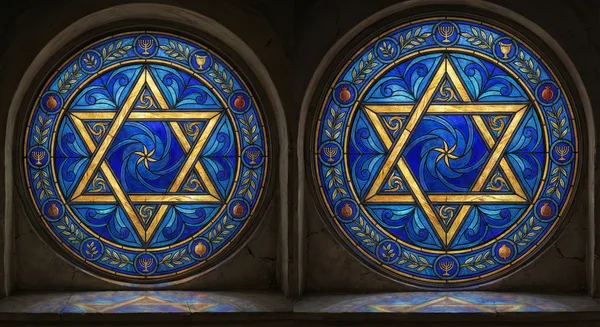
God chose Abraham; the covenant was renewed with Isaac, Jacob, and the people at Sinai. "You shall be to me a kingdom of priests and a holy nation" (Exodus 19:6). The covenant is mutual: God's faithfulness, Israel's response through mitzvot (commandments). The relationship is personal, historical, and ongoing.

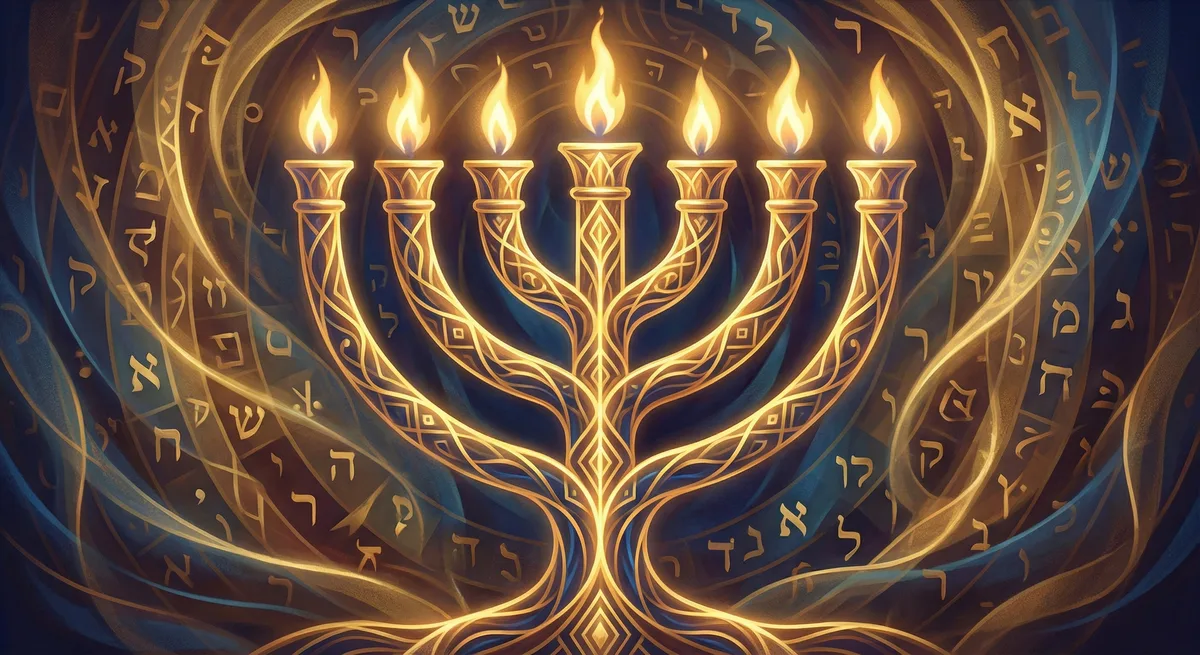
Menorah — seven branches, symbolic of light and covenant
Menorah — image to be generated

The Torah

The five books of Moses—instruction and story

The Torah (Genesis, Exodus, Leviticus, Numbers, Deuteronomy) is the core of Jewish scripture. Creation, the patriarchs, the exodus from Egypt, the giving of the law at Sinai—the story of God's relationship with Israel. Torah is read in the synagogue in an annual cycle. The Talmud and midrash extend interpretation across generations. Torah is living word—studied, argued, lived.

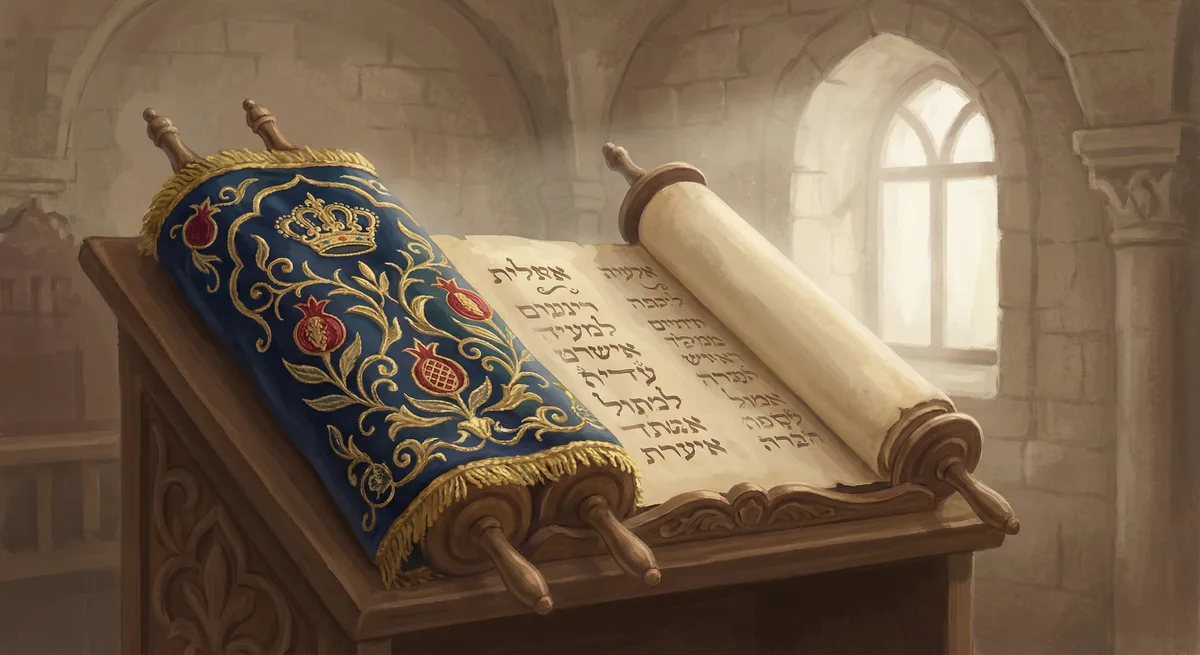
Torah scroll — ornate, reverent, soft light
Torah — image to be generated

Law & Tradition (Halakha)

The path of walking

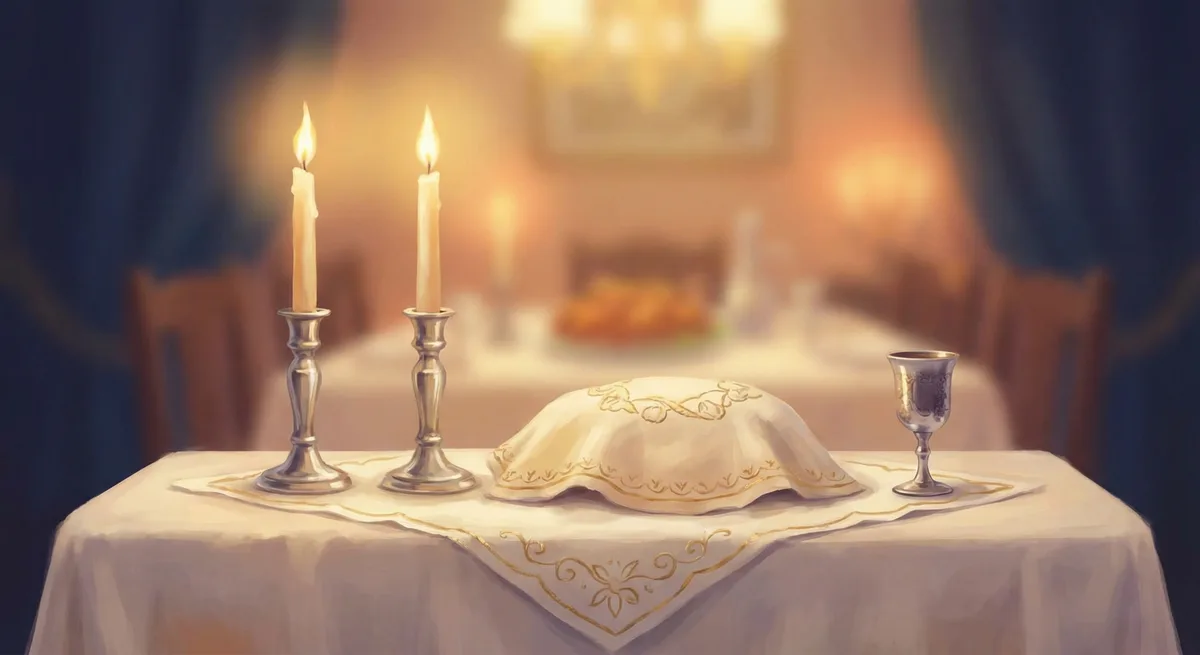
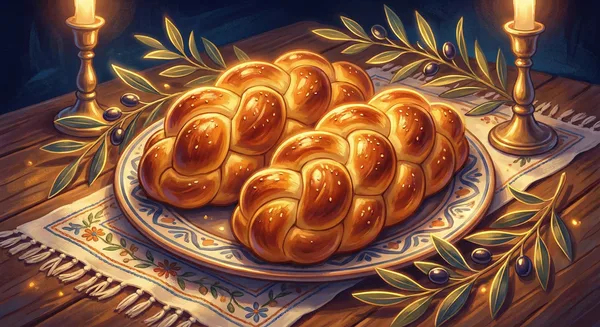
Halakha—Jewish law—guides daily life: Shabbat observance, kashrut (dietary laws), prayer, lifecycle rituals, and ethical conduct. Different movements (Orthodox, Conservative, Reform, Reconstructionist) interpret halakha differently, but all share the Torah as touchstone. Tradition is not static; responsa and commentary continue the conversation.

Shabbat candles — warm, peaceful, reverent
Shabbat candles — rest, sanctification, the rhythm of sacred time

Community & Peoplehood

Am Yisrael—the people of Israel

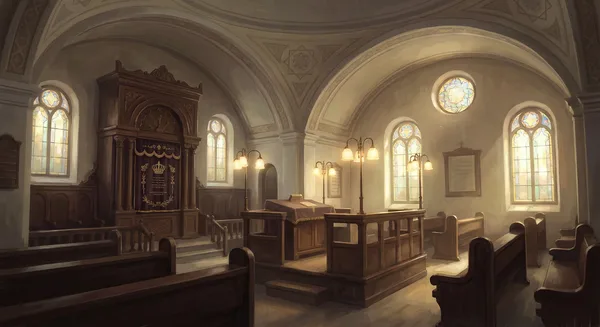
Judaism is a tradition of a people. The synagogue (beit knesset—house of assembly) is the center of prayer and study. The rabbi is teacher and guide. Lifecycle events—bris, bar/bat mitzvah, marriage, mourning—bind the community. Tikkun olam—repair of the world—calls Jews to justice and care for the vulnerable.

Hope & Restoration

Messiah, redemption, and the world to come

Jews await the coming of the Messiah and the restoration of Israel. Olam haba—the world to come—is the hope of resurrection and divine justice. The memory of exile and the hope of return have sustained the people. "Next year in Jerusalem" closes the Passover seder.