Black box track: This hub is public; core implementation and repo detail stay partner scoped. Research status (what ships, what is spec): Research status. Technical briefings under NDA: Partners.

Druze

Unity and Wisdom

The Druze (Muwahhidun—"Unitarians") are a tradition that emerged from Ismaili Islam in 11th-century Egypt. They believe in one God, the unity of truth across religions, and the cycle of reincarnation. The Druze have guarded their teachings in secrecy; full knowledge is reserved for the initiated (uqqāl). They emphasize virtue—truthfulness, loyalty, mutual aid—and have maintained a distinct identity in the Levant (Lebanon, Syria, Israel) and diaspora despite centuries of persecution.

What We Hold Sacred

The Epistles of Wisdom — Truth unveiled to the initiated

The Druze hold sacred the Rasa'il al-Hikma—the Epistles of Wisdom—teachings reserved for those who have undergone initiation. The transcendent secret of Druze tradition is not secrecy for its own sake but the recognition that truth must be earned, prepared for, lived into. One God, one truth—across Islam, Judaism, Christianity, and the ancient philosophies. The Druze see themselves as Muwahhidun—unitarians—who have glimpsed the unity behind all revelation. What they hold most sacred is the dignity of the soul, the transmigration that refines it, and the promise that the wise and virtuous will return to the One. The Epistles are not merely read; they are embodied. Sacred is the bond of the initiated, the loyalty to truth, and the virtue that makes one worthy of the inner teaching.

Tawhid — Divine Unity

One God, one truth

The Druze call themselves Muwahhidun—those who affirm divine unity. God is one, transcendent, beyond attributes. The Druze recognize the unity of religious truth: Moses, Jesus, Muhammad, and others brought the same message in different times. Religious labels (Jew, Christian, Muslim) are outer forms; the inner truth is one. This ecumenical sensibility has allowed Druze to live among—and serve—diverse communities.

Five-colored Druze star — green, red, yellow, blue, white
Druze star — image to be generated

Origin

11th-century Egypt, the call and the closure

The Druze faith began with the call (da'wa) of the Fatimid caliph al-Hakim bi-Amr Allah, whom Druze revere as the final manifestation of the divine in human form. Hamza ibn Ali and other founders developed the teachings. The tradition "closed" (gate of initiation shut) after a generation—no new converts. Druze identity is now hereditary. Core texts (the Epistles of Wisdom) are guarded; public teaching is limited. This secrecy has protected the community but also made accurate outside description difficult.

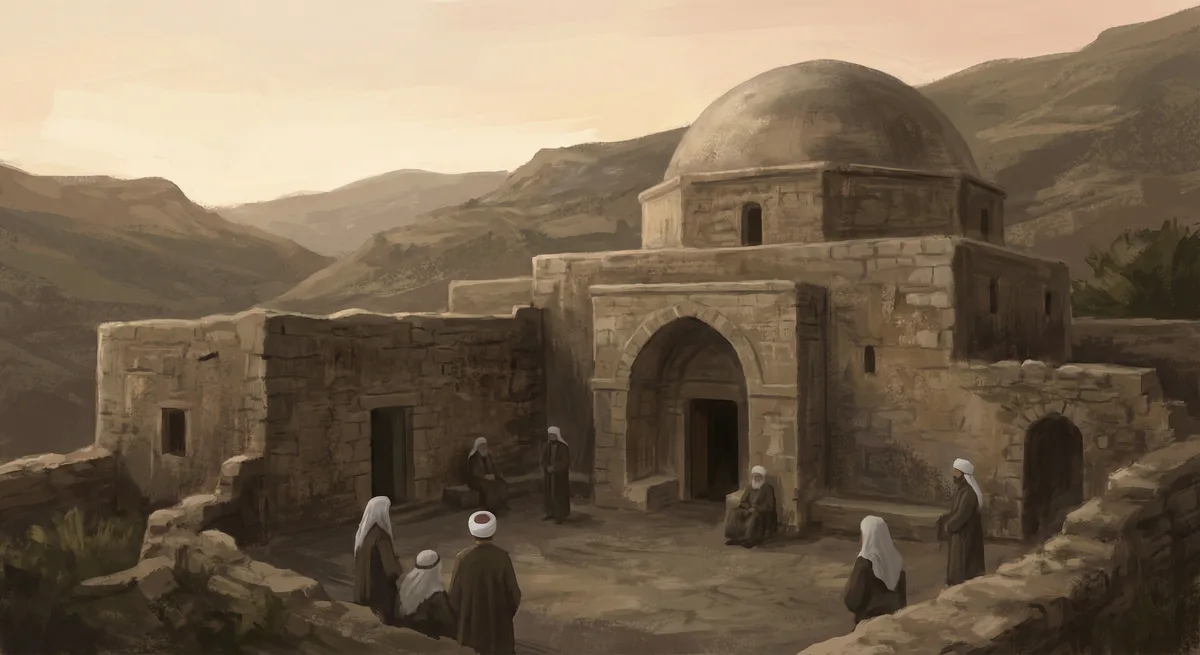
Druze meeting house (khalwa) — stone, reverent
Khalwa — image to be generated

The Initiated (Uqqāl)

Keepers of wisdom

Druze society divides between the initiated (uqqāl—"the knowing") and the uninitiated (juhhāl—"the ignorant"). Only the uqqāl study the sacred texts, attend the khalwa (meeting house) for prayer and study, and follow strict religious observance. Women can be initiated—and have held leadership. The uqqāl wear distinctive dress (white for men; modest dress for women) and avoid certain foods. They are the spiritual core of the community.

Virtue & Ethics

Truth, loyalty, mutual aid

Druze ethics emphasize truthfulness (sidq), mutual protection and aid, and loyalty to the community. The seven Druze principles (as often summarized) include truthfulness, mutual aid, and the rejection of other faiths' practices for Druze—while respecting the unity of truth behind all religions. Druze have historically served as mediators and bureaucrats in plural societies—trusted for their discretion and integrity.

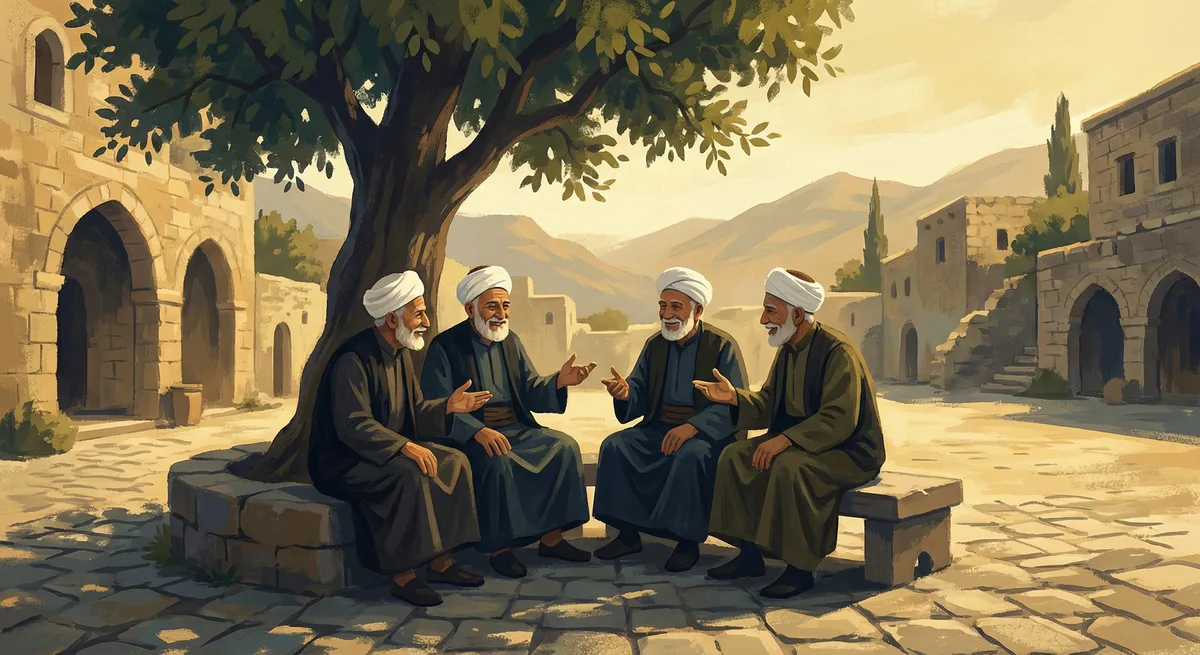
Druze elders in conversation—reverent, community
Community — image to be generated

Community & Identity

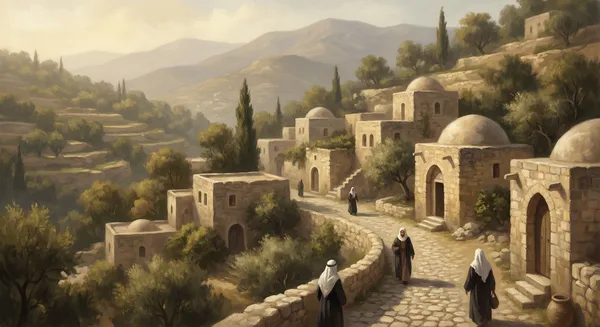
The Levant and diaspora

Druze number about one million worldwide—concentrated in Lebanon, Syria, and Israel, with diaspora in the Americas and Australia. They have maintained identity through endogamy (marrying within the community) and strong communal bonds. Druze have served in the militaries and governments of the countries where they live—often with a reputation for loyalty and pragmatism. Their survival through centuries of persecution testifies to the strength of their bonds.