121-node lattice
Vogel-style placement on a 121-node story. Position 61 is the design reference anchor. Geometry first, then crypto primitives on the outside.
 Phyllux Tech
Start a project
Phyllux Tech
Start a project
Community. Friend Adrean Bentlage needs help with cancer medical bills: GoFundMe. Research archive. Historical Phyllux Tech record and PhiKey provenance. Living shop: Phyllux Tech. Products: Novelmate Studio, Sproule Lit, .
Crown jewel of the Phyllux Tech chapter
Golden-angle key direction. A 121-node lattice. Geometric binding for identity and vault work. The idea Phyllux Tech was built to say out loud.
PhiKey is the geometric key story behind Phyllux Tech Vault: key material and project binding shaped by phyllotactic placement (θ = n × 137.508°), not by a marketing slogan. This page is the public glory record for that idea on the archived Phyllux Tech surface, and it points to where the technology still runs in the living product: Novelmate Studio.
Soft glory archive + Novelmate only. This is an experimental geometry-derived design system and historical record. It is not an independently audited cryptosystem, not a standalone security product, and not a partner-ready SKU. Living use is the optional PhiKey Vault inside Novelmate Studio (Argon2id + ChaCha20-Poly1305; lattice fingerprint). Evidence ceiling: Research status.
Vogel-style placement on a 121-node story. Position 61 is the design reference anchor. Geometry first, then crypto primitives on the outside.
Same 137.508° language as WAVE, MESH, and CORE. Layout constants bind the key direction so the math is readable, not mystical.
Never published as a finished, independently audited cryptosystem. Beauty and clarity are allowed. Fake assurance is not.
Shared geometric spine
r = k × √n
θ = n × 137.508°
121-node lattice · Position 61 anchor
At the center is a 121-node Vogel-style lattice and a walk that can produce key-stream material bound to a seed. Standard authenticated encryption (AEAD) sits on the outside for the part a real product actually ships. A separate path treats passphrase and salt with a memory-hard KDF (Argon2id where that fits the stack).
The public story is procedural: structure the walk, bind the bytes, hand off to well-understood primitives. The art on this page is mood and geometry. The evidence ceiling stays on Research status.
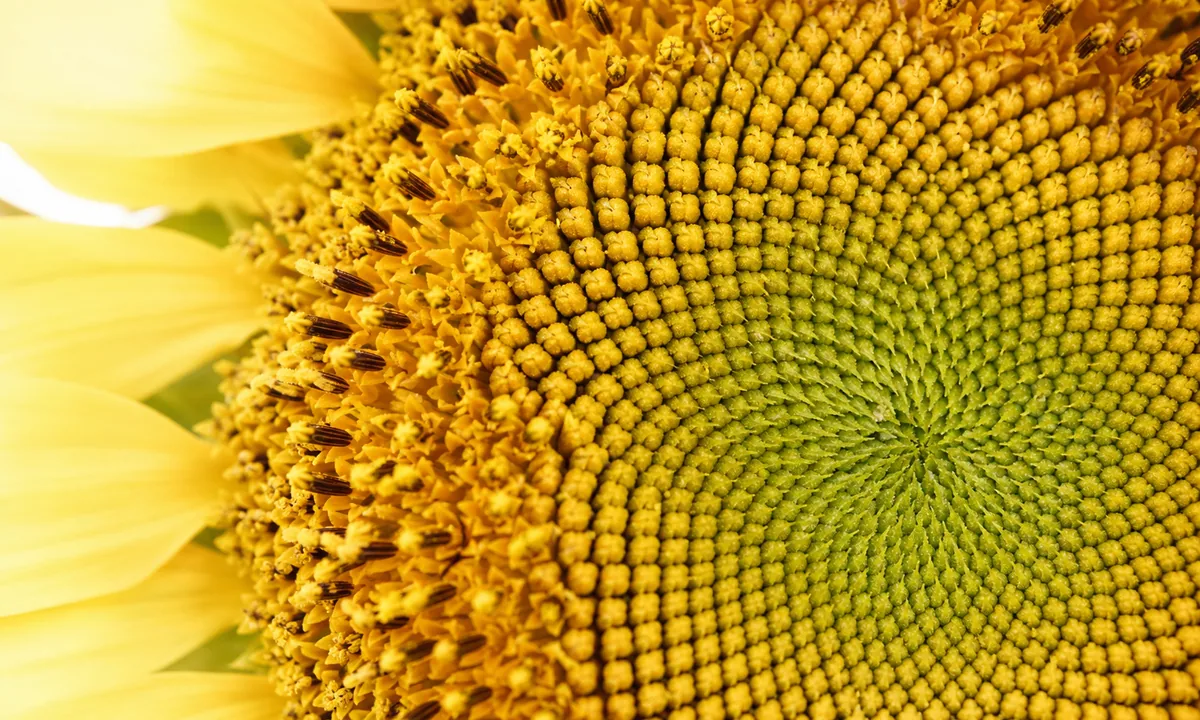
A structured traversal yields bytes you can bind into a construction. Then you ship with conventional authenticated encryption where the platform expects it. PhiKey’s public narrative is about that handoff: geometry shapes the binding story; AEAD carries the payload.
Nothing here replaces side-channel work, a professional audit, or counsel on disclosure. It does give a single place to read the engineering intent without pretending the hard parts are finished when they are not.

Downstream systems still meet the world through standard interfaces. In the living Novelmate implementation, bulk export bytes are encrypted with ChaCha20-Poly1305. PhiKey’s lattice contribution there is a merkle-root fingerprint for project binding, not a second bulk cipher and not an XOR toy.
That distinction matters. Geometry for identity and binding. Modern AEAD for confidentiality of sidecars. No “military grade” tagline. No unbreakable claim.
Phyllux Technologies as a commercial R&D surface is archived. PhiKey did not die with that chapter. It continues as optional, local-first export protection inside Novelmate Studio: the PhiKey Golden Lattice Security Vault.
.phikeyvault export sidecars. Integrity tags on the ciphertext.
Disabled by default. Plaintext exports are still written in the current design. No passphrase recovery. Not a cloud KMS, not an HSM, not multi-user server hardening. A local-first author tool on a trusted workstation, carrying the Phyllux Tech geometry into daily manuscript work.
Open Novelmate StudioThose gaps are deliberate honesty, not humility theater. See the PhiKey / VAULT row on Research status.
Public writing about PhiKey stayed in the “say what is open” lane: offline brute force still depends on passphrase strength; plaintext copies defeat sidecar encryption if you leave them beside the vault blobs; a compromised host while unlocked is outside the model. The Novelmate docs state the same plainly for the living vault.
Imagery below is ornamental. The posture lives in the writing.
Photoreal studies retained with the archive. Mood and geometry only.



PhiKey remains the glory of this archive. The Phyllux Technologies company surface is frozen. The geometry, honesty bar, and living Novelmate Vault path are what we keep in public. Related pillars: Technology archive. Chronology: Proof & prior art.