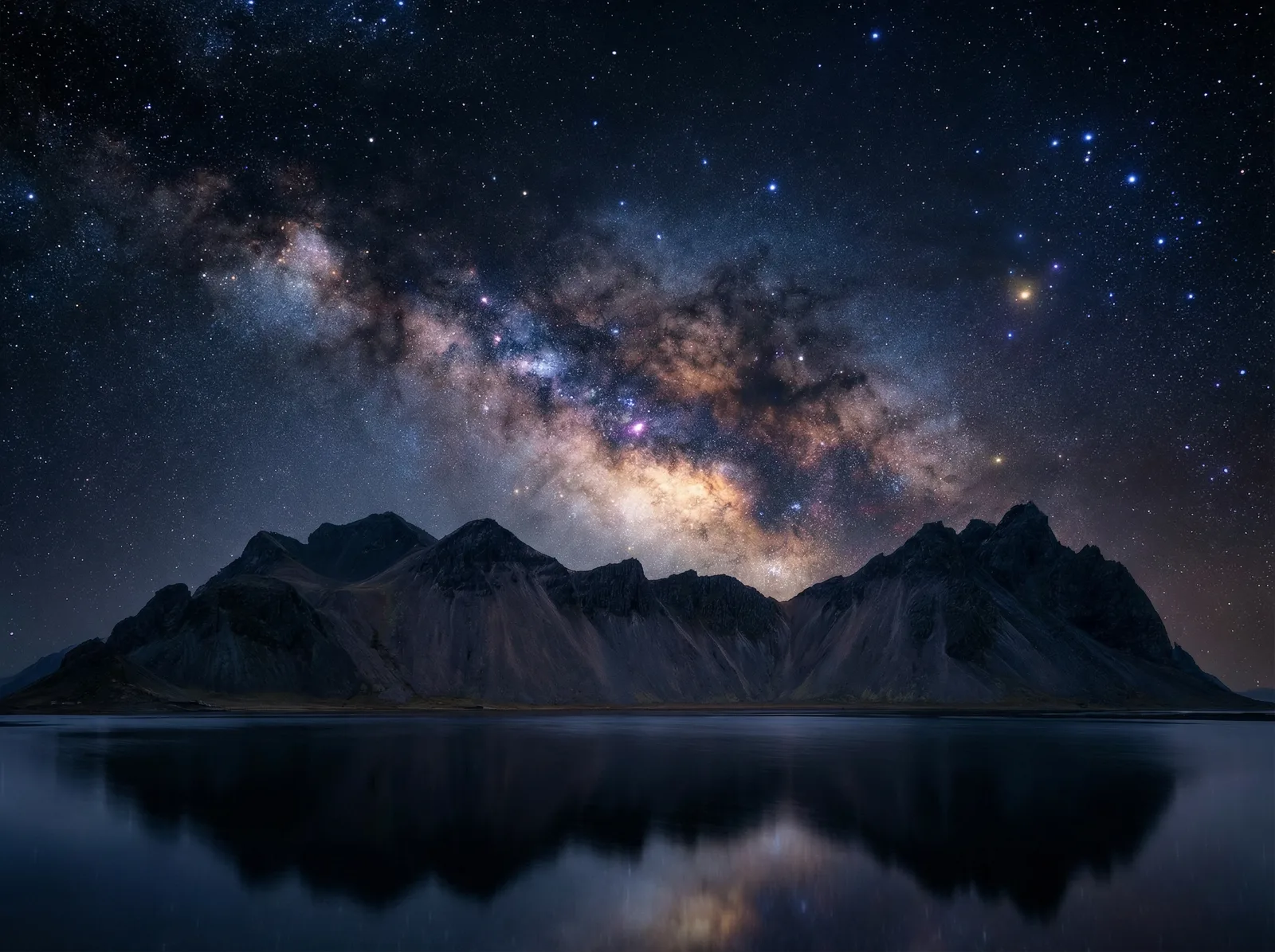
The Sublime
Beauty · Awe · Transcendence
The sublime is the moment when the ordinary opens into the infinite—when beauty becomes overwhelming.
— Burke, Kant, and the tradition
The sublime exceeds mere beauty. It is the experience of vastness, power, or infinity that both attracts and overwhelms. Mountains, oceans, storms, the night sky—the sublime reminds us of a scale beyond human measure.
I. Beauty — The First Threshold
Where form and harmony meet
Beauty draws us in. Proportion, symmetry, coherence. The sublime begins in beauty—but does not end there. Beauty comforts; the sublime unsettles even as it elevates.
Kant distinguished the beautiful from the sublime: the beautiful involves understanding; the sublime involves reason grappling with the boundless.

II. Awe — Overwhelming Grandeur
When the mind encounters what exceeds it
Awe is the signature of the sublime. Not fear—reverence. The vast, the powerful, the infinite: they exceed our capacity to take them in. We feel small, and in that smallness, a kind of clarity.
Awe dilates attention. The self recedes; the world expands. Epiphanies often arrive in moments of awe.
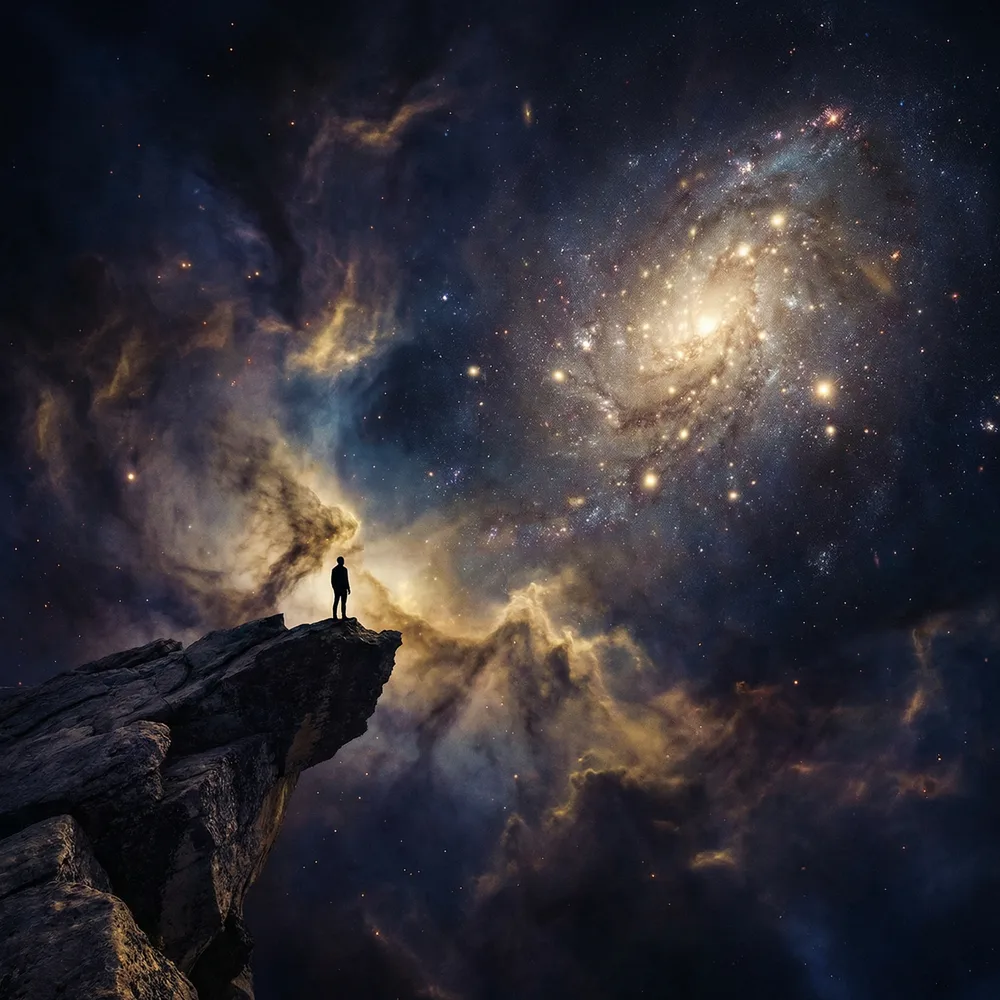
III. Transcendence — Beyond Ordinary Limits
The moment that exceeds the moment
The transcendent sublime: the experience that exceeds our categories. Not "very large" but "beyond measure." Not "very powerful" but "beyond power."
Transcendence is not escape—it is expansion. The sublime opens a door. What lies beyond is not negation but excess.
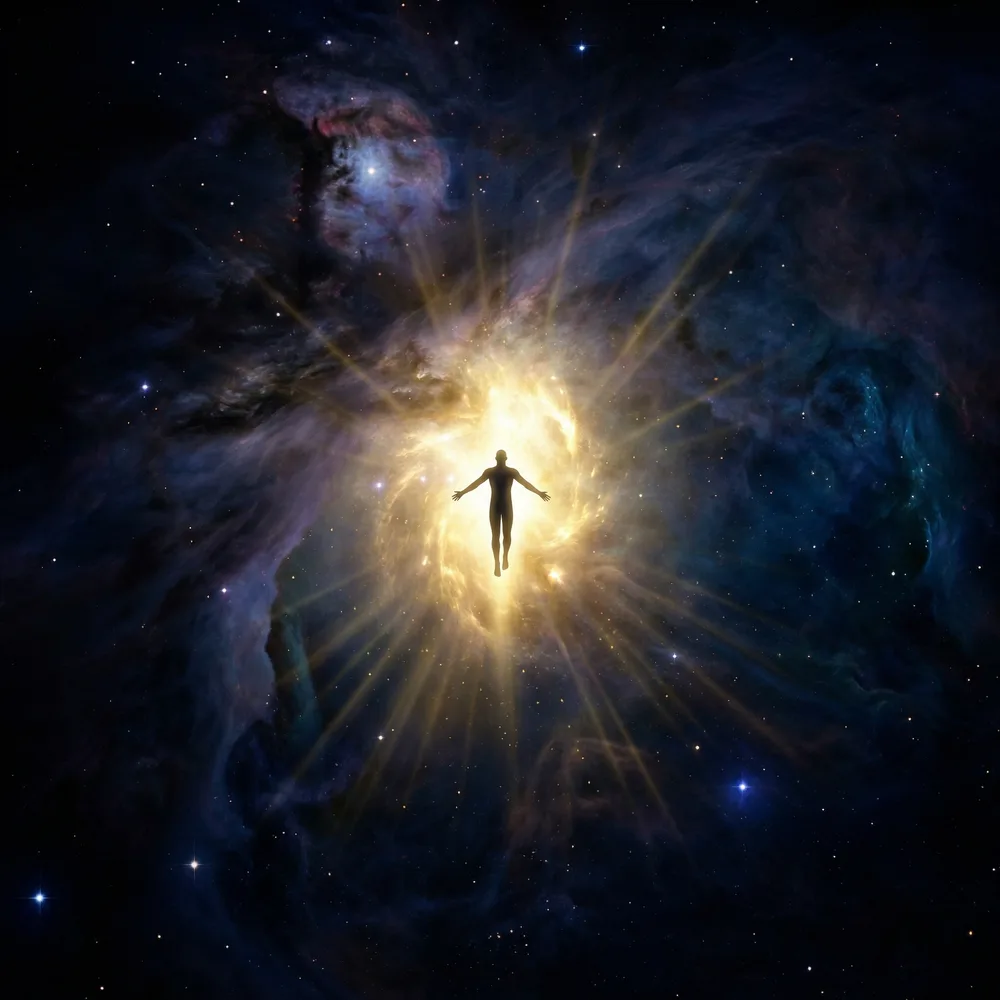
IV. Mountain — The Mathematical Sublime
Vastness that exceeds comprehension
The mountain is Kant's mathematical sublime: magnitude that overwhelms the imagination. We can measure it—but we cannot hold the measure in mind. The mountain exceeds us.
Romantics sought the sublime in Alps and crags. The mountain does not comfort; it demands. And in that demand, a kind of freedom.
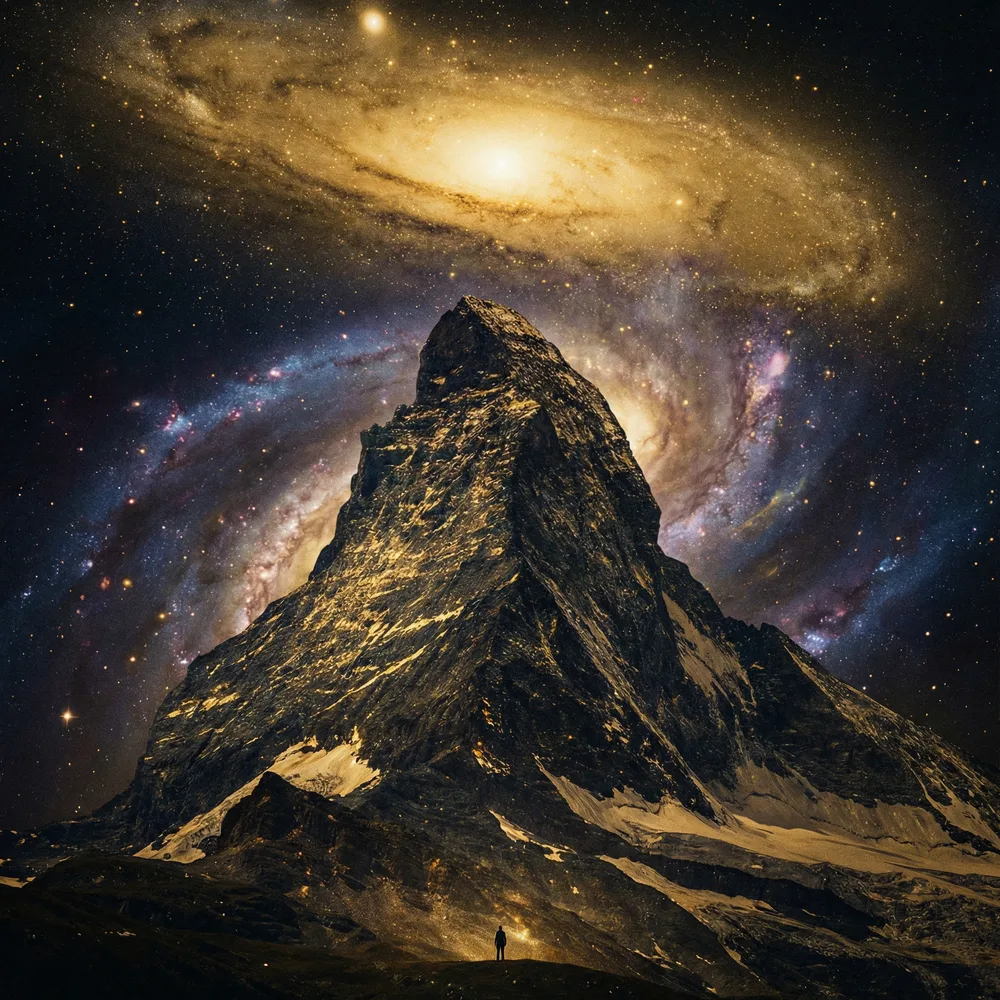
V. Ocean — The Dynamic Sublime
Power that exceeds control
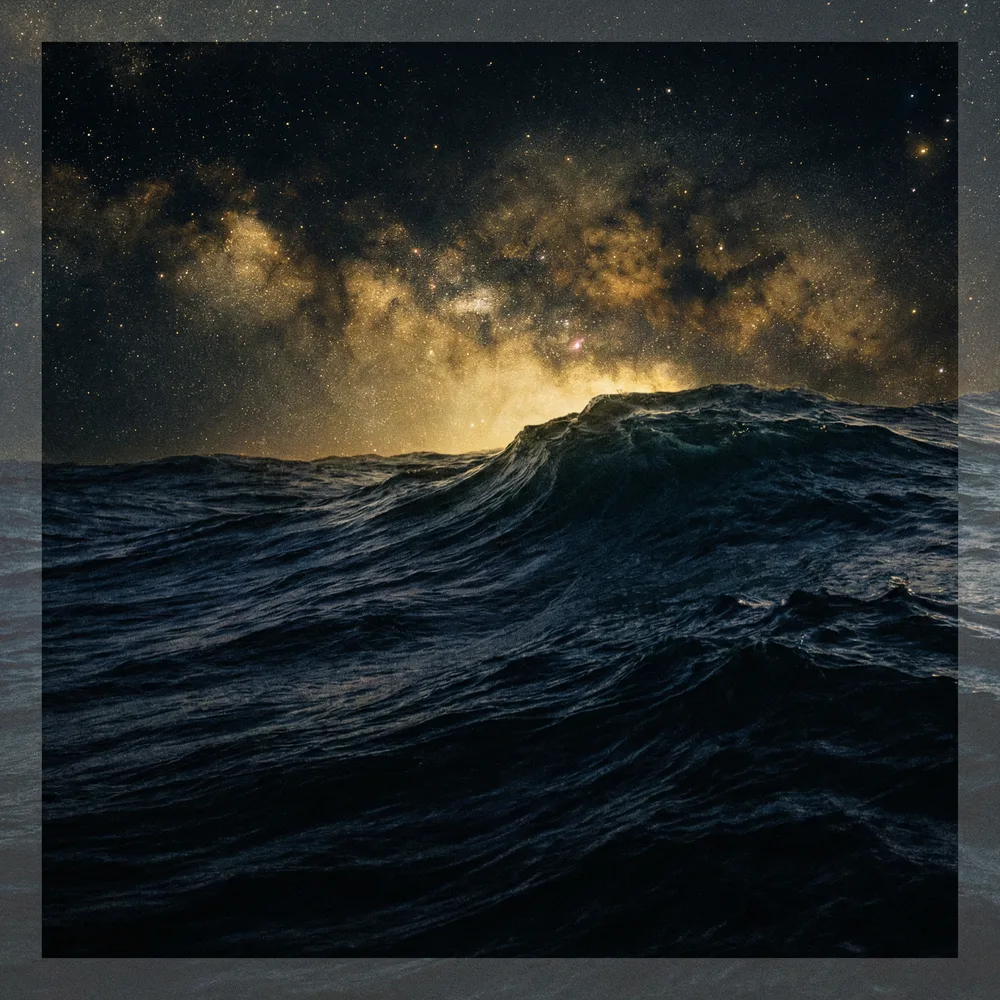
The ocean is Kant's dynamic sublime: power that could overwhelm us. Storms, waves, depth. We are not in control—and in that relinquishing, the sublime arrives.
Water is life and threat. The ocean holds both. Its vastness mirrors the night sky; its power mirrors the storm.
VI. Infinity — The Boundless
Where the sublime becomes absolute
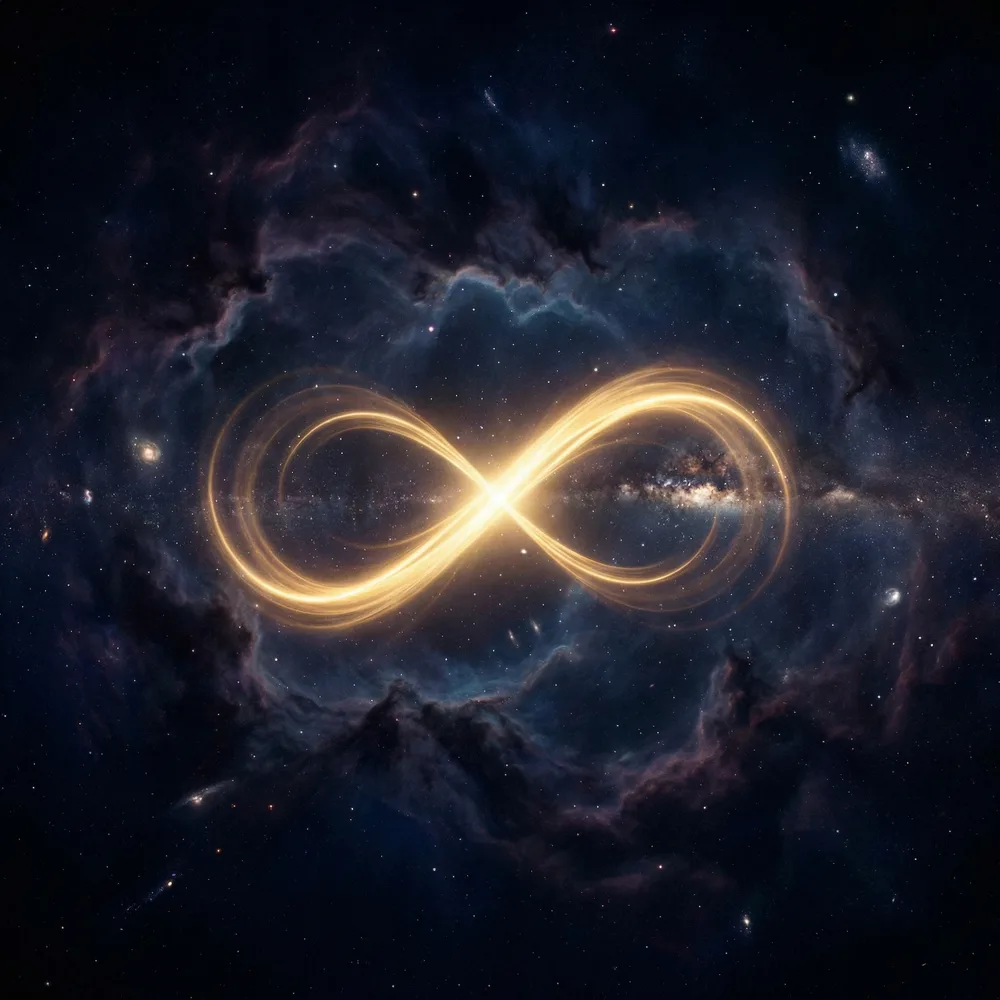
Infinity is the limit case of the sublime. Not vast but unbounded. The night sky, the mathematical infinite, the idea of eternity—these exceed even the mountain and the ocean.
The sublime in its purest form: the mind confronting what has no limit. Reason reaches; imagination fails. And in that failure, the sublime completes itself.
VII. Gallery — The Complete Presentation
VIII. The Sublime Remains
The sublime is not a one time event—it is a possibility that remains. Mountains, oceans, the night sky: they await. The ordinary can open into the infinite at any moment.
"We are never far from the sublime. We are only sometimes too close to see it."