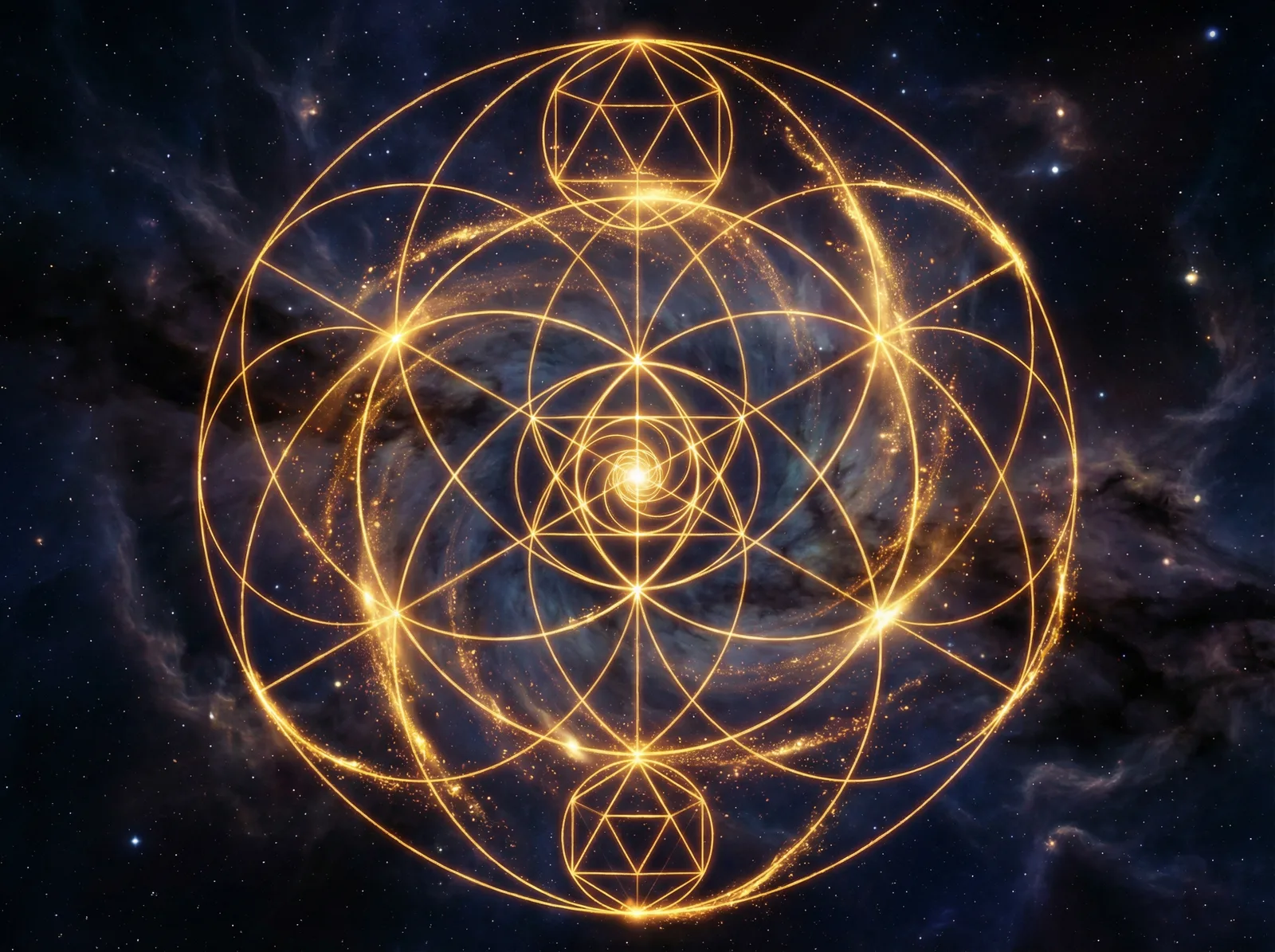
Sacred Geometry
Phi · Vesica · Flower · Spiral · Platonic
The same proportions recur in temples, shells, and galaxies. Geometry is the grammar of form.
— Phyllux
Sacred geometry is the study of proportion and form that appears across scales—from the microscopic to the cosmic. Phi, the vesica piscis, the flower of life, platonic solids: these are not symbols but structures. They describe how space organizes itself.
I. Phi — The Golden Ratio
1.618... — proportion that recurs
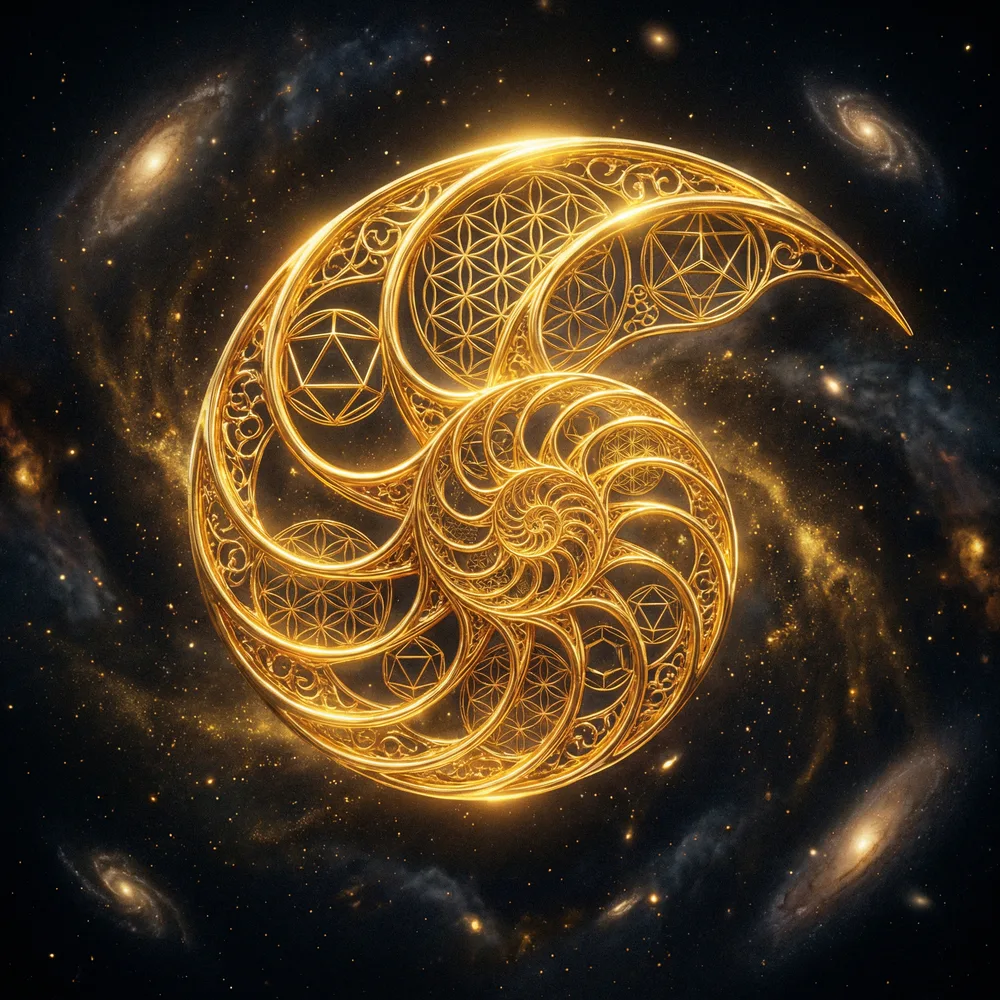
Phi (φ) ≈ 1.618 appears in the Parthenon, Renaissance paintings, and the spiral of a nautilus. When the whole relates to the larger part as the larger part relates to the smaller, you have the golden ratio.
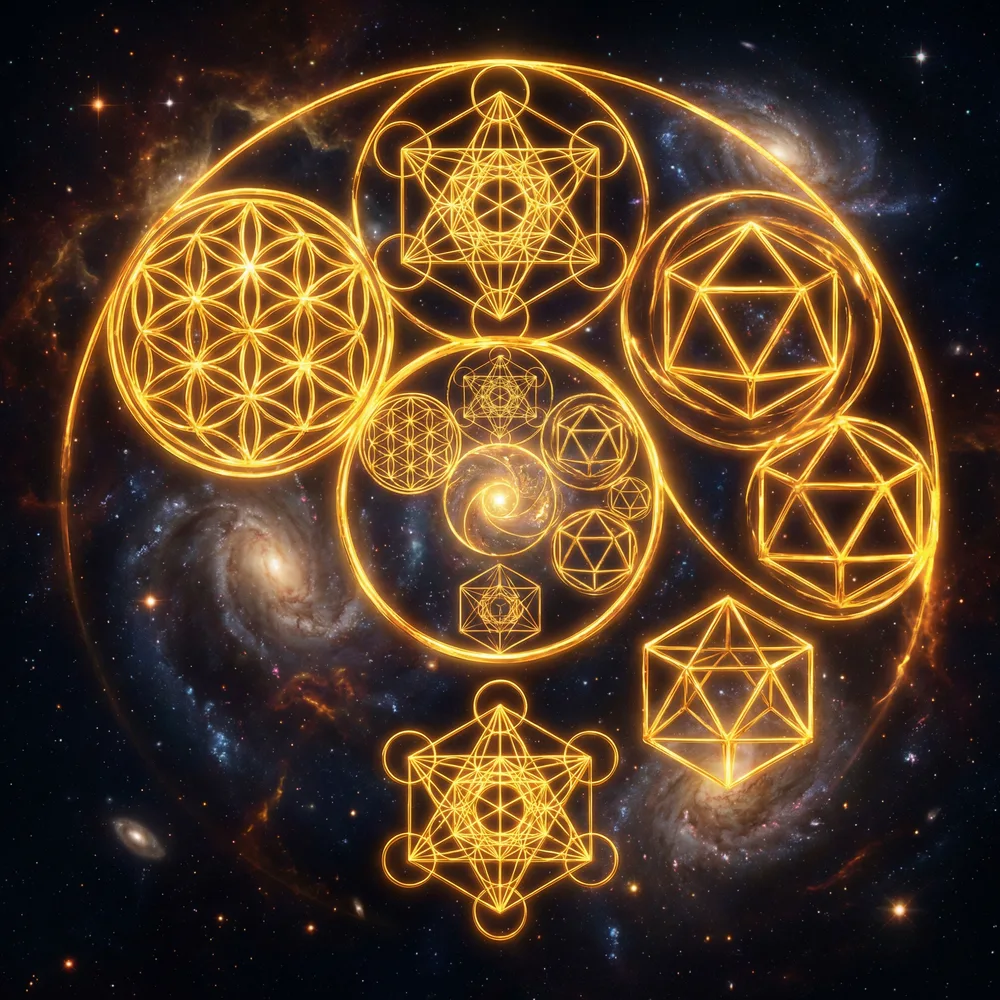
II. Vesica Piscis
Two circles, one overlap
The vesica piscis—the intersection of two equal circles—contains the geometry of the square root of 3. It appears in Gothic architecture, mandalas, and the seed of the flower of life.
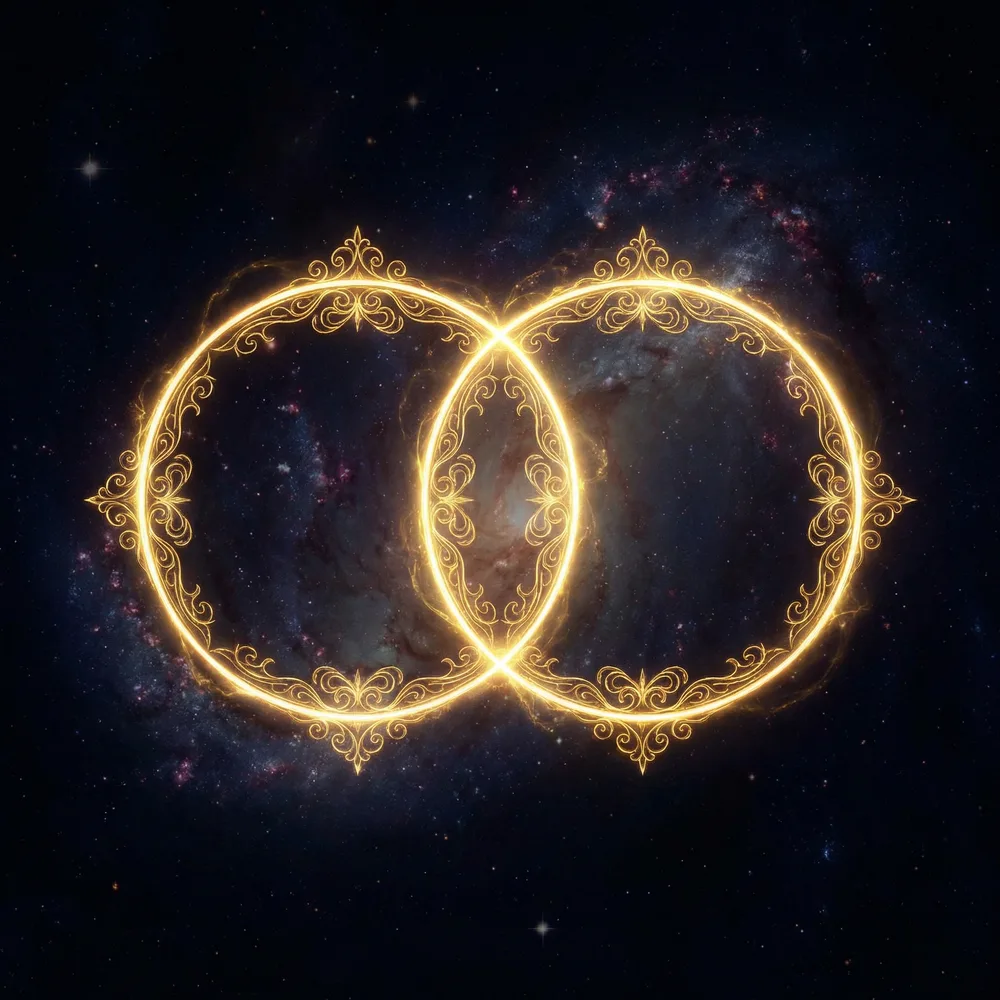
III. Flower of Life
Circles in perfect overlap
The flower of life—overlapping circles in hexagonal symmetry—appears in Egyptian, Greek, and Asian traditions. It encodes the geometry of creation: seed, tree, fruit.
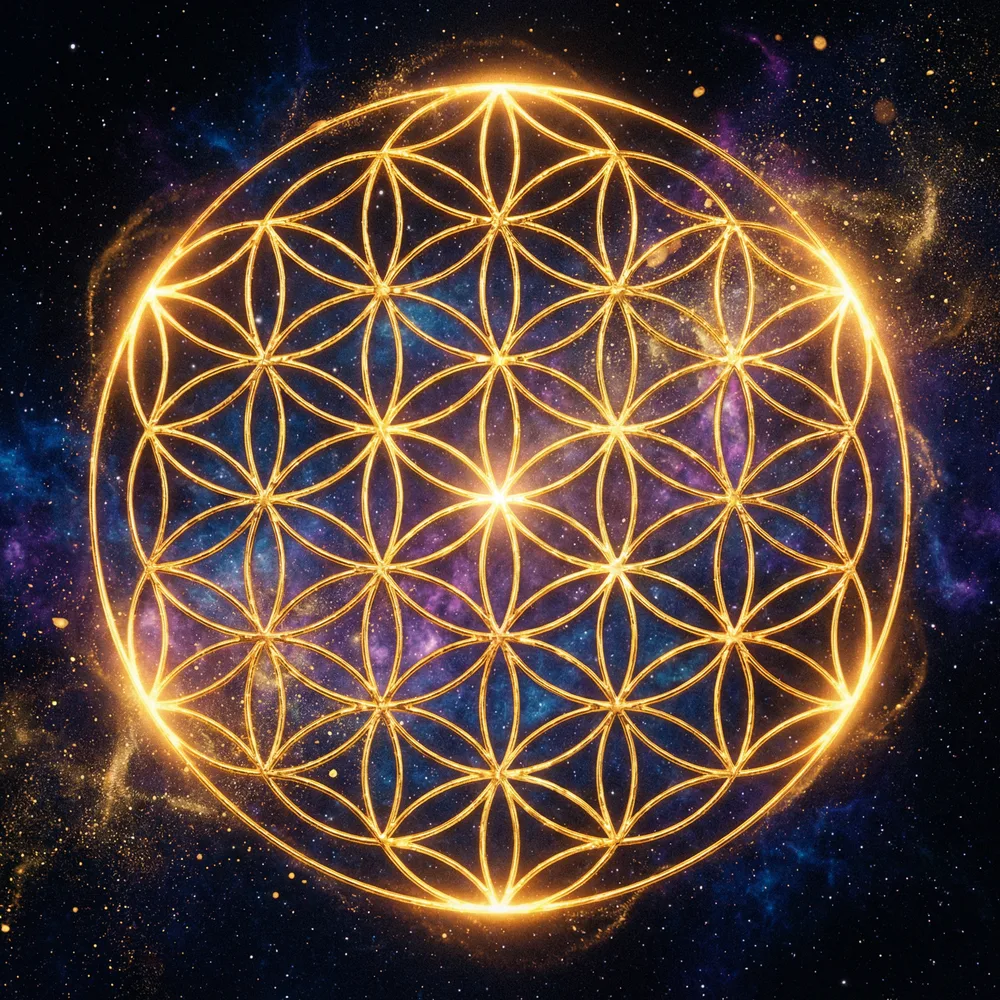
IV. The Spiral
Growth in proportion
The golden spiral—each quarter-turn scaled by phi—appears in hurricanes, galaxies, and sunflowers. Growth that preserves proportion.
V. Platonic Solids
The five perfect polyhedra
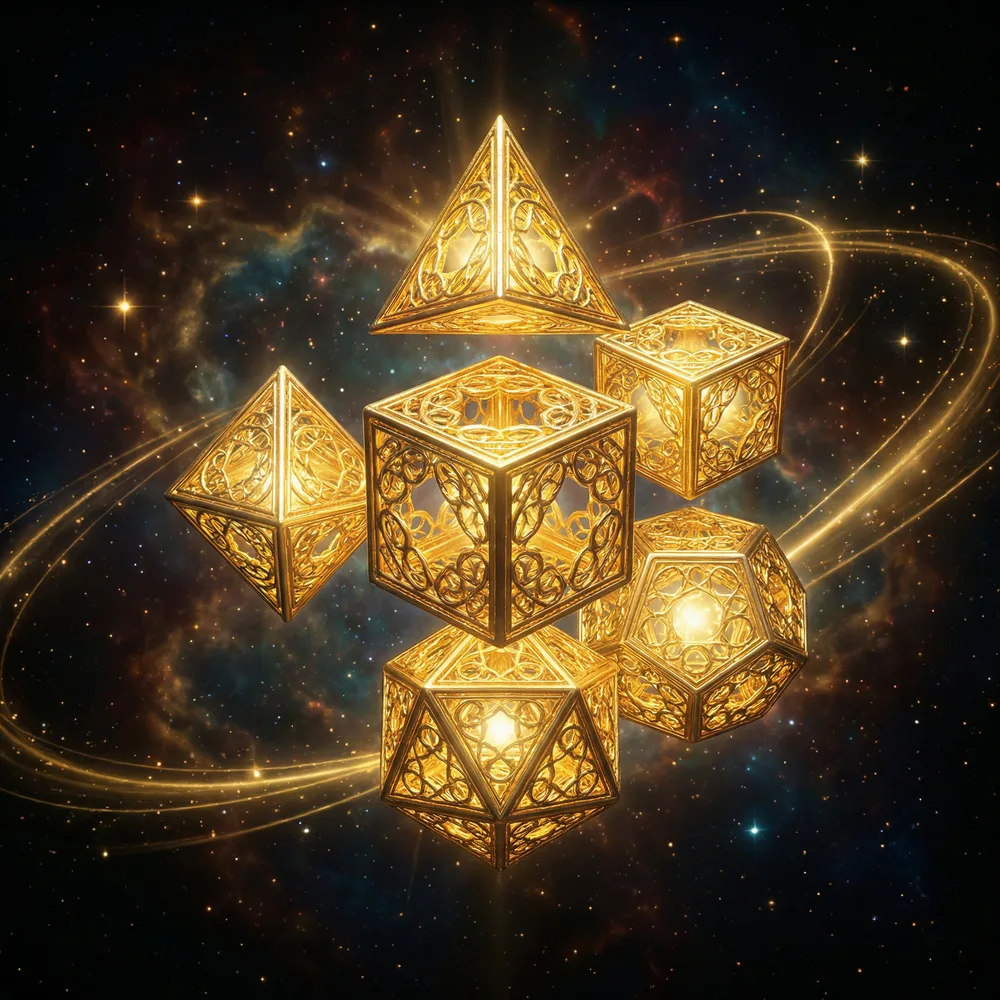
The Platonic solids—tetrahedron, cube, octahedron, dodecahedron, icosahedron—are the only convex polyhedra with identical regular faces. Plato assigned each to an element.
VI. Mandala
Center and circumference
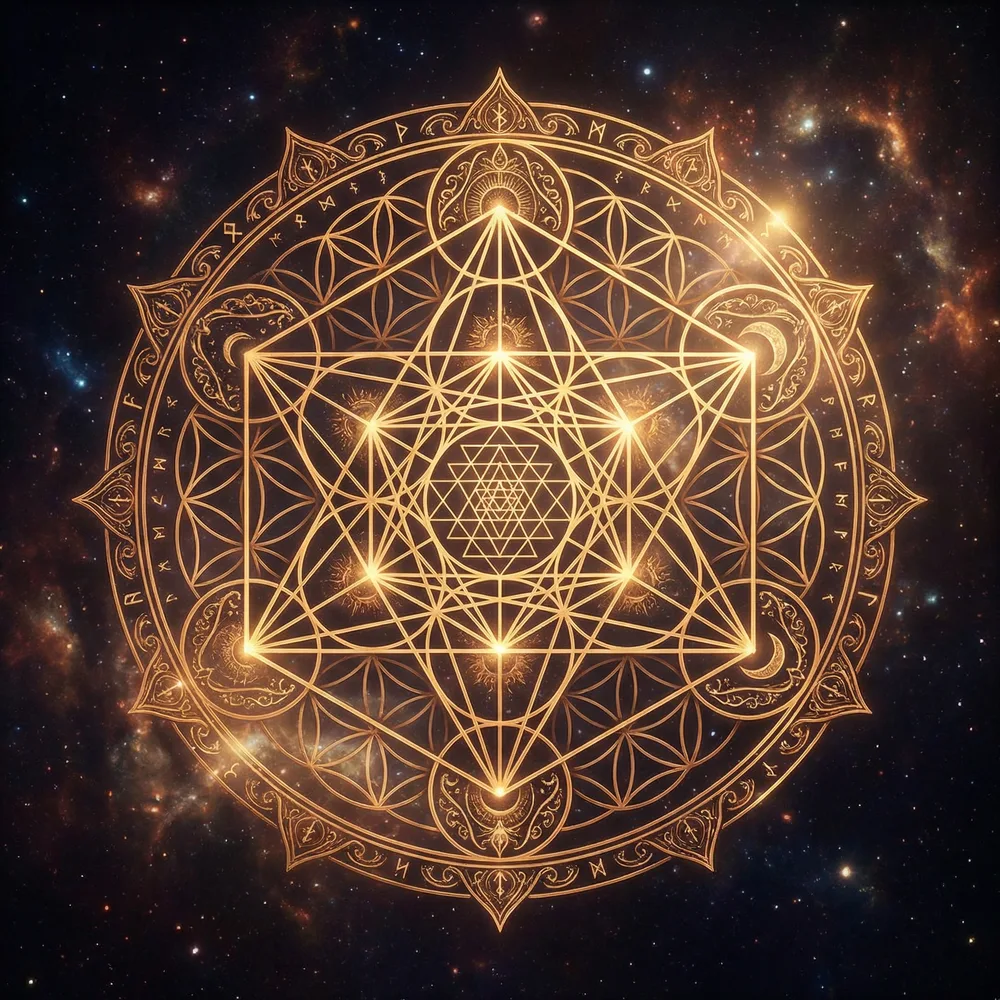
The mandala—a geometric design radiating from a center—appears across traditions. It maps the cosmos, the psyche, and the path from periphery to center.
VII. Gallery
VIII. Sacred Geometry Remains
Phi, vesica, flower, spiral, platonic forms—these are not relics. They describe how space organizes. Phyllux builds on these patterns: biomimicry is applied sacred geometry.
"Geometry is the grammar of form. Learn the grammar; read the world."