
First Principles
Reduce to Axioms · Build from Bedrock
Don't reason by analogy. Reason from first principles.
— Elon Musk, echoing Aristotle
First-principles thinking strips away assumptions and builds from the ground up. What are the fundamental truths? What cannot be reduced further? From there, construct. Systems thinking begins here.
I. Foundations
What cannot be reduced
Foundations are the base layer. In mathematics: axioms. In physics: laws. In ethics: values. Whatever resists further decomposition.

II. Clarity
Stripping away the opaque
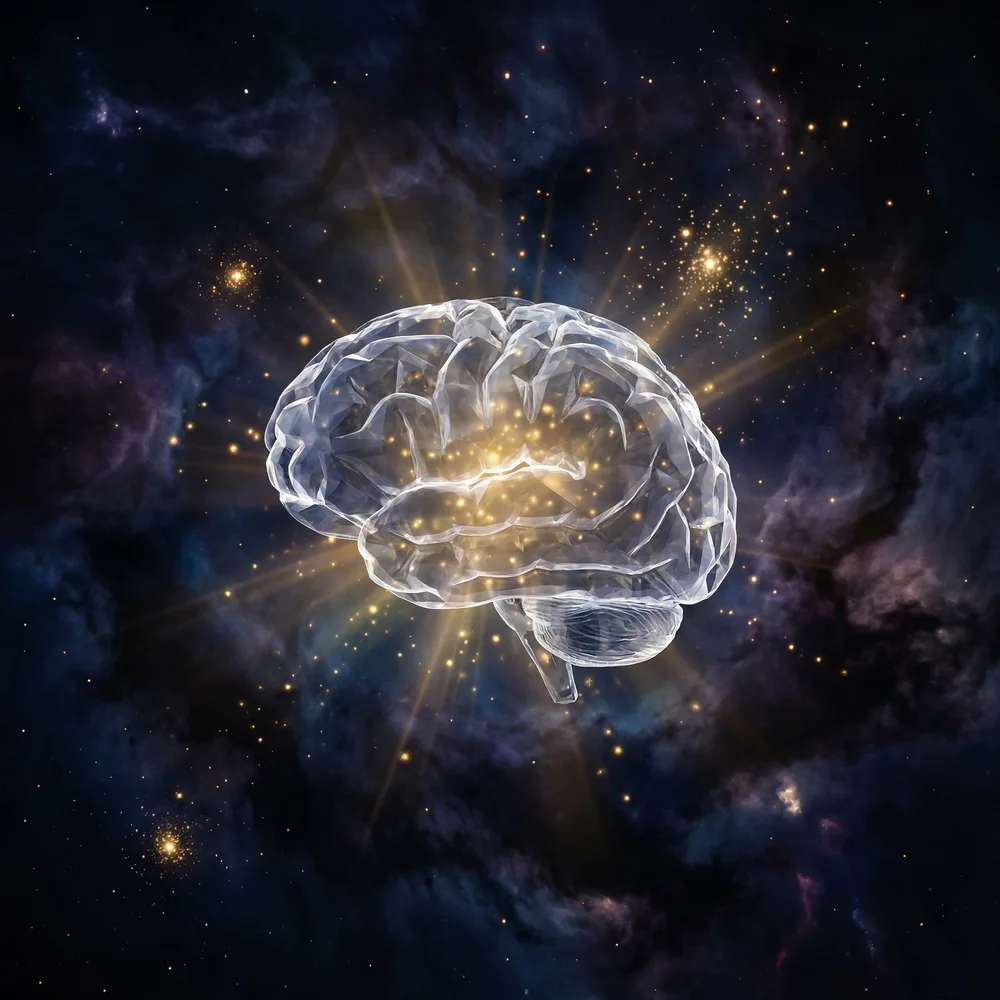
Clarity comes from decomposition. Break the complex into simple parts. Name each part. See the structure.
III. Reduction
Down to the irreducible
Reduction: keep asking "why" until you hit bedrock. What is this made of? What does it assume? What would have to be true for this to hold?

IV. Axiom
The starting point
An axiom is a statement assumed true without proof. Euclid's five. The laws of thermodynamics. First principles are axioms—the place reasoning begins.

V. Chain
From axiom to conclusion
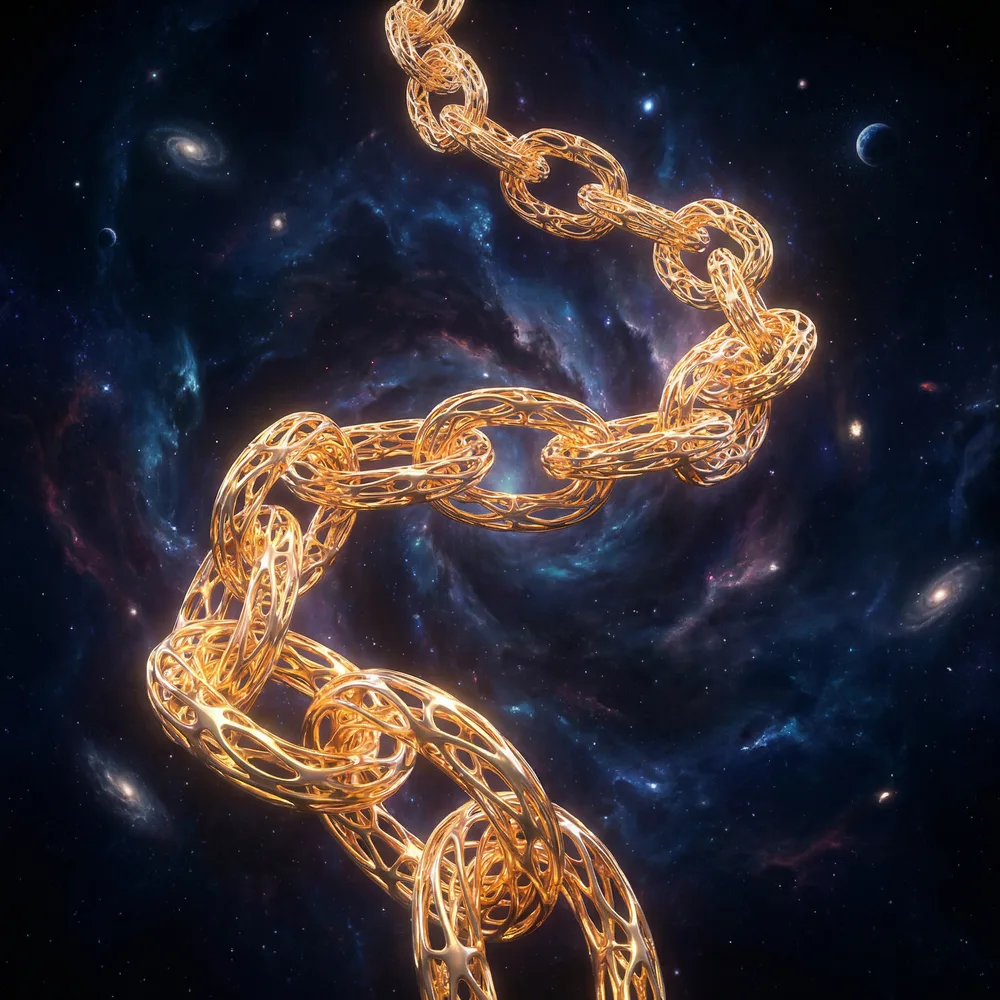
The chain of reasoning: each step follows from the last. Build up from the foundation. No leaps. No hidden assumptions.
VI. Bedrock
The unshakeable base
Bedrock is what remains when you've reduced as far as you can. The foundation that supports everything else. Find it—then build.

VII. Gallery

VIII. First Principles Remain
Reduce to axioms. Build from bedrock. The method doesn't change—only the domain. Phyllux applies first-principles thinking to systems, coordination, and design.
"What cannot be reduced is the place to start."