The Divine Name
Tetragrammaton · Unutterable · Presence
The name that is not spoken—the presence that is invoked in silence.
— Wisdom tradition
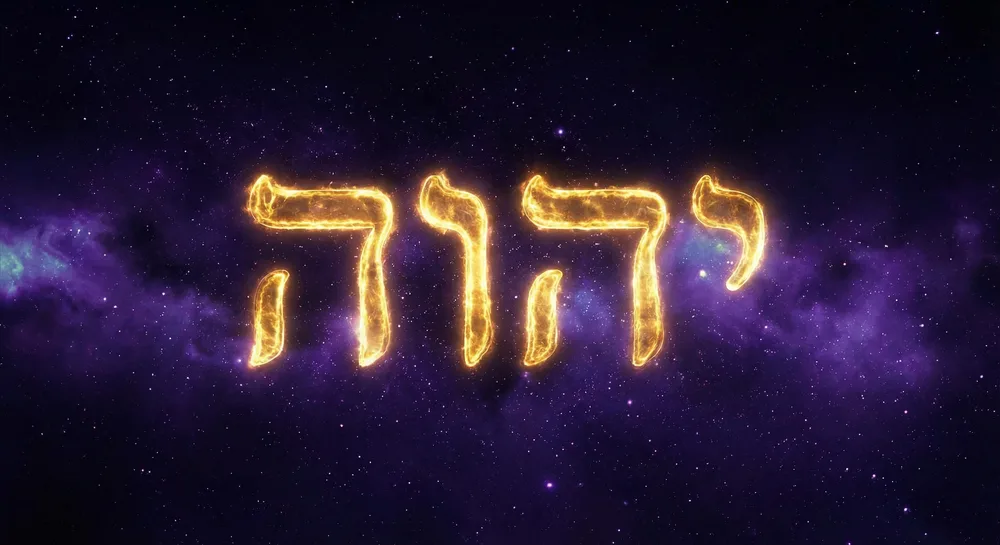
The Tetragrammaton—יהוה—four letters that form the unutterable name. Adonai, HaShem, "the Name"—we substitute because the original exceeds speech. The divine name is not a label but a threshold.
I. The Tetragrammaton
Four letters—Yod, He, Vav, He
Tetragrammaton means "four letters." יהוה. The consonants that structure the name. Vowels are not written; pronunciation is uncertain. The name was spoken once a year, by the high priest, in the holy of holies.
Four letters hold infinite weight. The name is not arbitrary—it carries the tradition of encounter, covenant, and presence.
II. The Unutterable
Beyond speech
The name is unutterable because it exceeds category. To name is to limit. The divine cannot be contained in sound or script. Silence becomes the adequate response.
Every tradition that approaches the absolute encounters this: the sayable falls short. What remains is reverence, not definition.

III. Adonai, HaShem
The substitute
Adonai—Lord. HaShem—the Name. We use substitutes because the original is not for casual utterance. The substitute honors the gap between human speech and divine presence.
Substitution is not evasion—it is respect. We gesture toward what we cannot say.

IV. Silence
Where speech ends
Silence is the proper response to the unutterable. Not empty silence—full silence. The silence that attends. Contemplative traditions have always known: the deepest encounter happens in wordlessness.
Presence is invoked in silence. The name is held, not spoken.

V. Presence
Invoked, not possessed
The name is not a magic formula—it is an invocation of presence. To call on the name is to open to encounter. The divine does not respond to coercion; it responds to openness.
Presence exceeds the name. The name points. Presence fulfills.

VI. What Exceeds
The name beyond the name
The divine exceeds every name we give. Tetragrammaton, Elohim, Allah, Brahman—each points; none contains. The name that is not spoken reminds us: we approach a mystery, not a definition.
Phyllux traces convergences. Many names, one light. The unutterable at the heart.
VII. Gallery

VIII. The Name Remains
The divine name is not a puzzle to solve but a presence to approach. Unutterable, invoked in silence—the threshold where speech meets the unsayable.
"What cannot be said is revealed at the boundary."