Biomimicry
Nature as Teacher · Four Billion Years R&D
Life has had 3.8 billion years to refine its designs. We can learn from the results.
— Janine Benyus
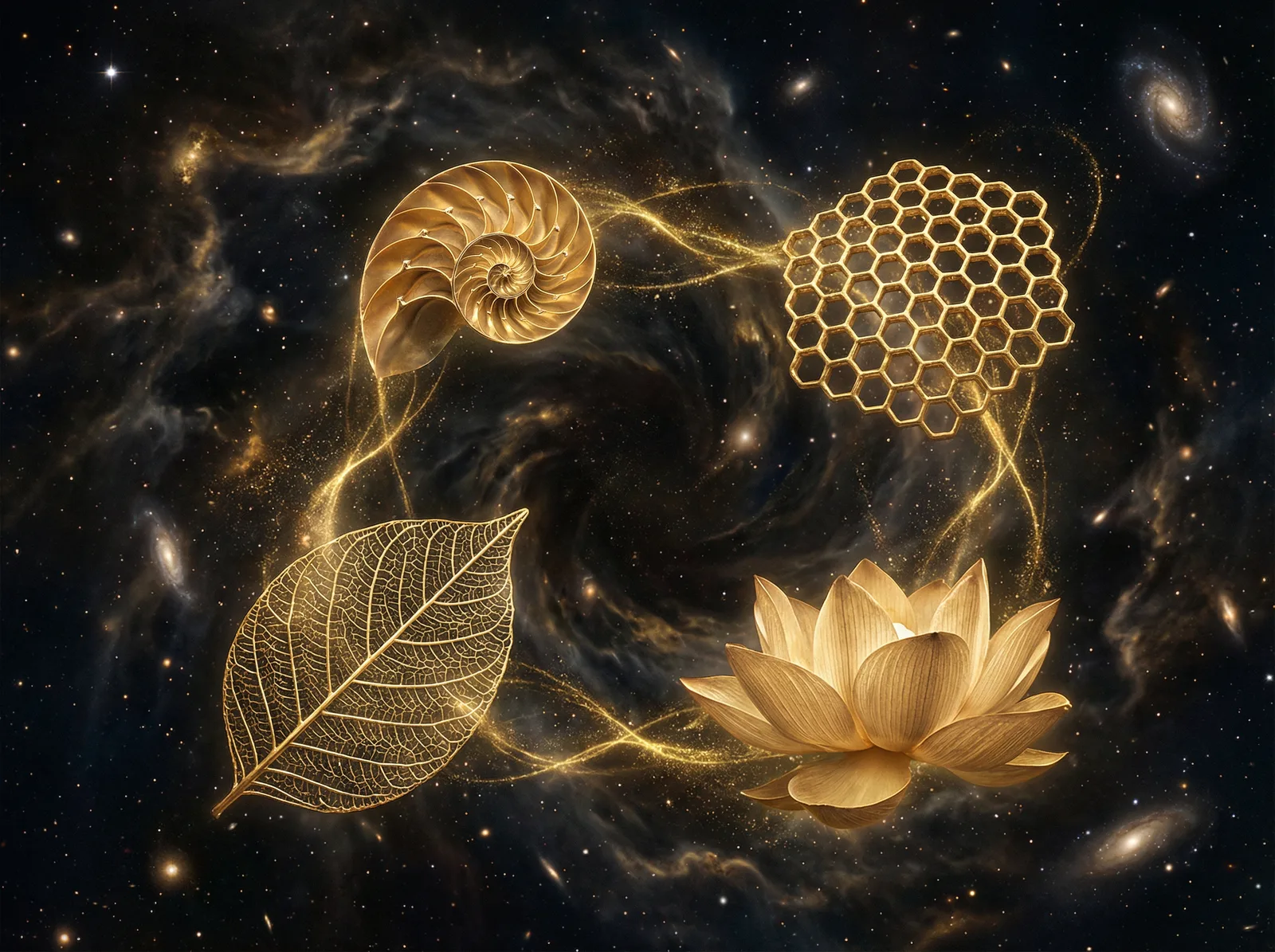
Biomimicry is innovation inspired by nature. Not copying forms blindly—learning the principles. How does a leaf capture light? A shell resist fracture? A hive optimize packing? Phyllux builds on these patterns.
I. Nature — The Master Engineer
Evolution is the longest-running R&D lab
Nature has solved problems we're still grappling with: efficient materials, self-healing, swarm coordination. The solutions are tested, refined, and field-proven over eons.
II. Leaf — Solar Innovation
Photosynthesis and photovoltaics
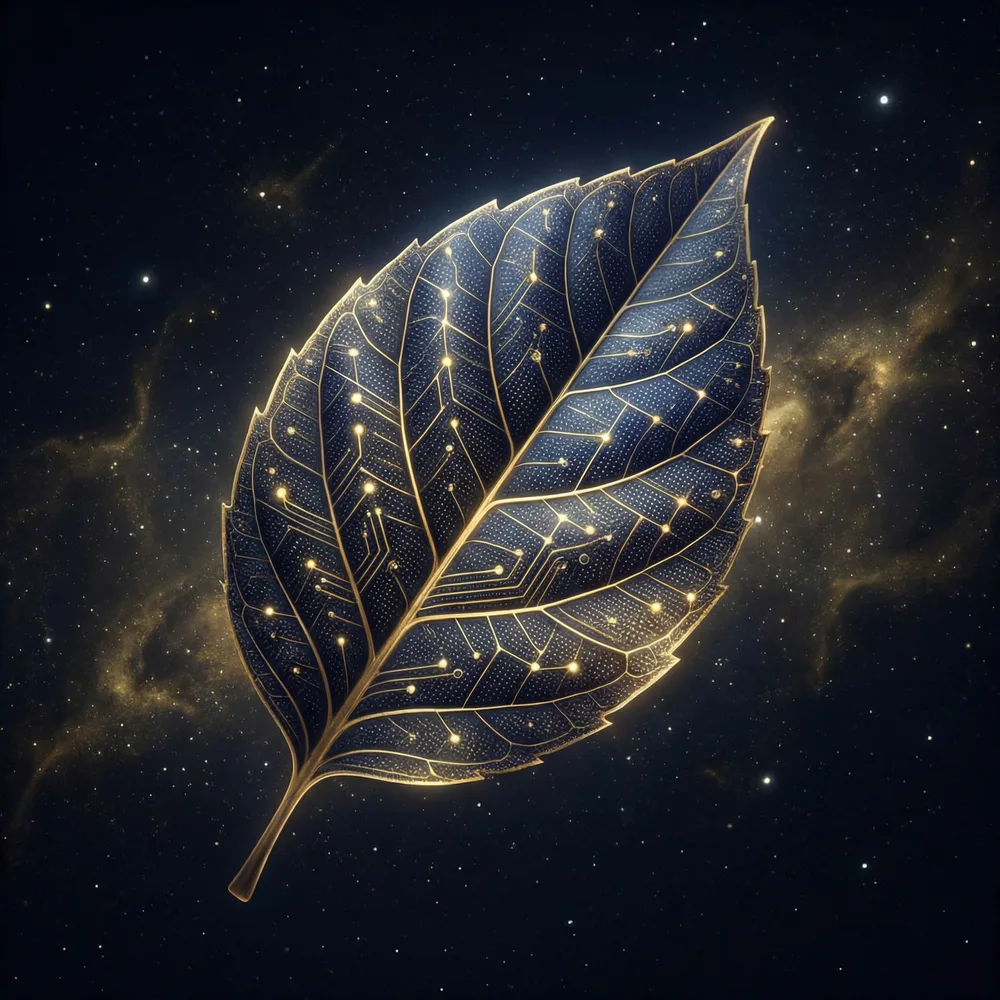
The leaf captures light with remarkable efficiency. Chlorophyll, stomata, vein networks—solar panels and desalination membranes have taken cues from leaf design.
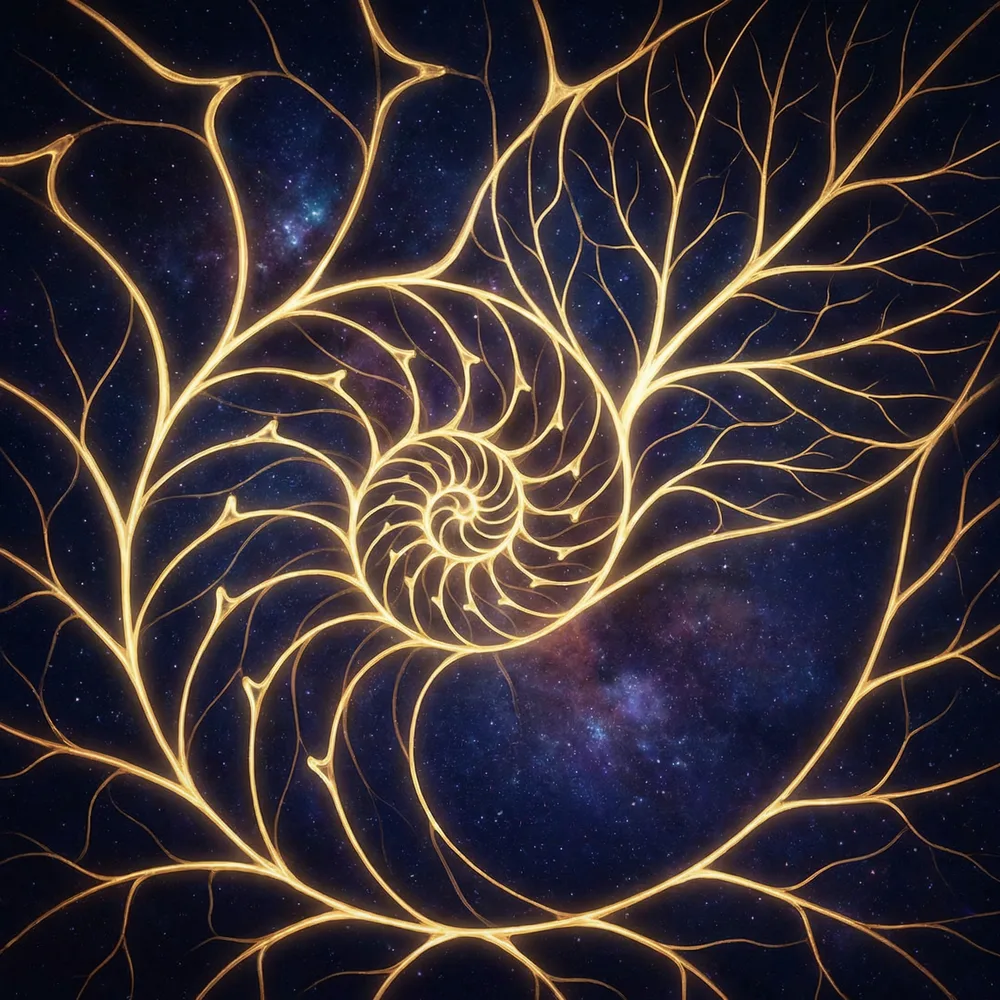
III. Shell — Spiral and Strength
Nautilus, spiral, fracture resistance
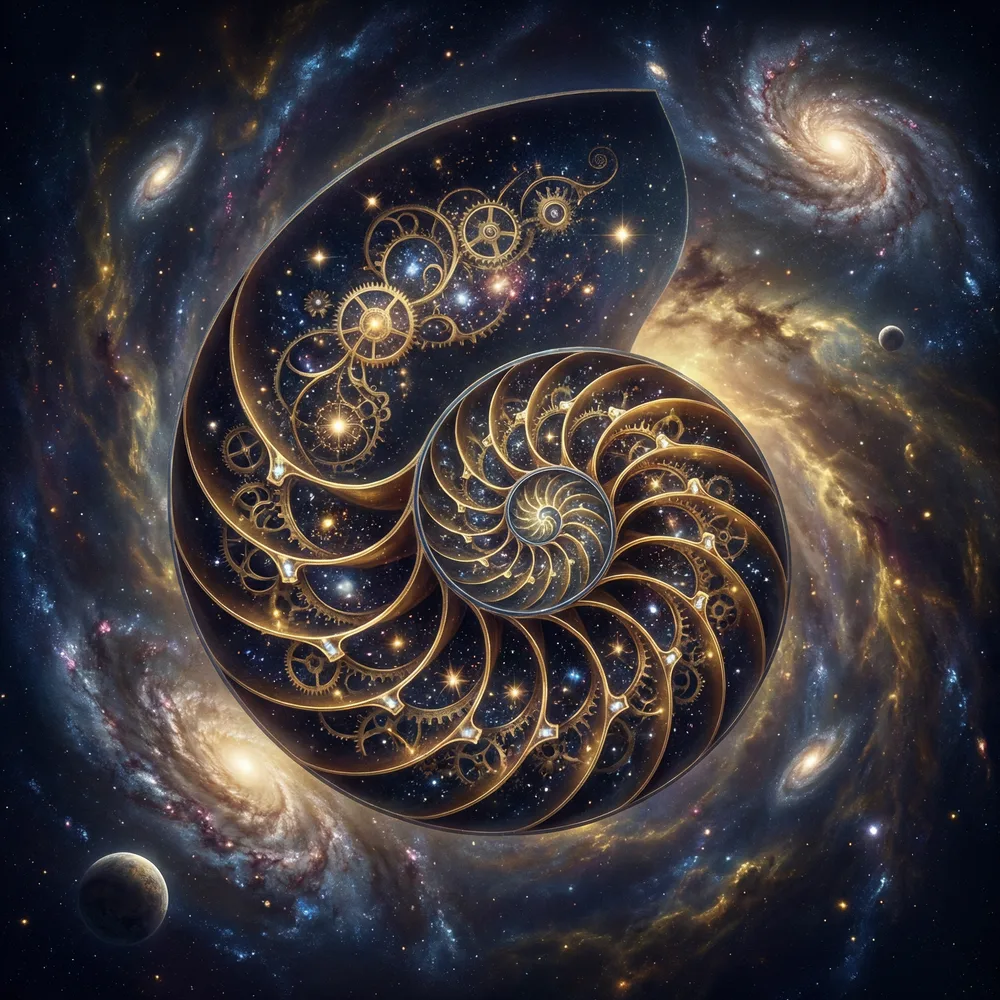
The shell—nautilus, abalone—combines spiral growth with layered structure. Fracture-resistant, minimal material. Architects and engineers study shell geometry for stronger, lighter designs.
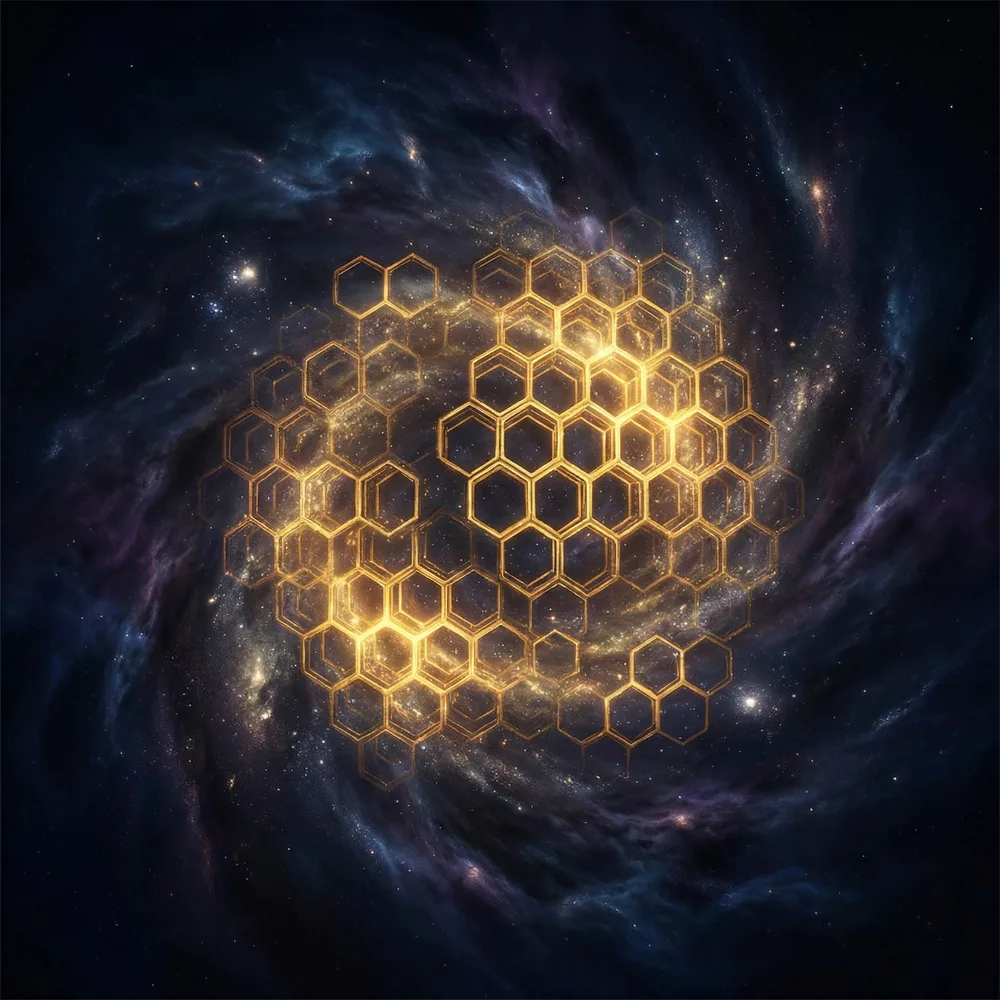
IV. Hive — Hexagonal Efficiency
Packing, communication, coordination
The beehive uses hexagons—maximum area, minimum wax. Bees communicate through dance. Swarm logic has inspired algorithms for routing, clustering, and optimization.
V. Lotus — Self-Cleaning
The lotus effect
The lotus leaf repels water and stays clean through microscopic surface structure. The "lotus effect" has inspired self-cleaning paints, fabrics, and glass.

VI. Pattern
Recurring solutions
Patterns recur: spirals, hexagons, branching. Evolution converges on similar solutions. Learn the pattern—apply it across domains.
VII. Gallery
VIII. Biomimicry Remains
Nature is the teacher. Four billion years of R&D. Phyllux—the name itself echoes phyllotaxis—builds on these patterns. The golden angle, emergence, coordination: biomimicry is Phyllux DNA.
"Ask: What would nature do here?"